
What Are the Most Common Injuries While Hiking? Ways to Treat Each One
When you are out hiking, it is important to make sure you know what is going on around you. This

When you are out hiking, it is important to make sure you know what is going on around you. This
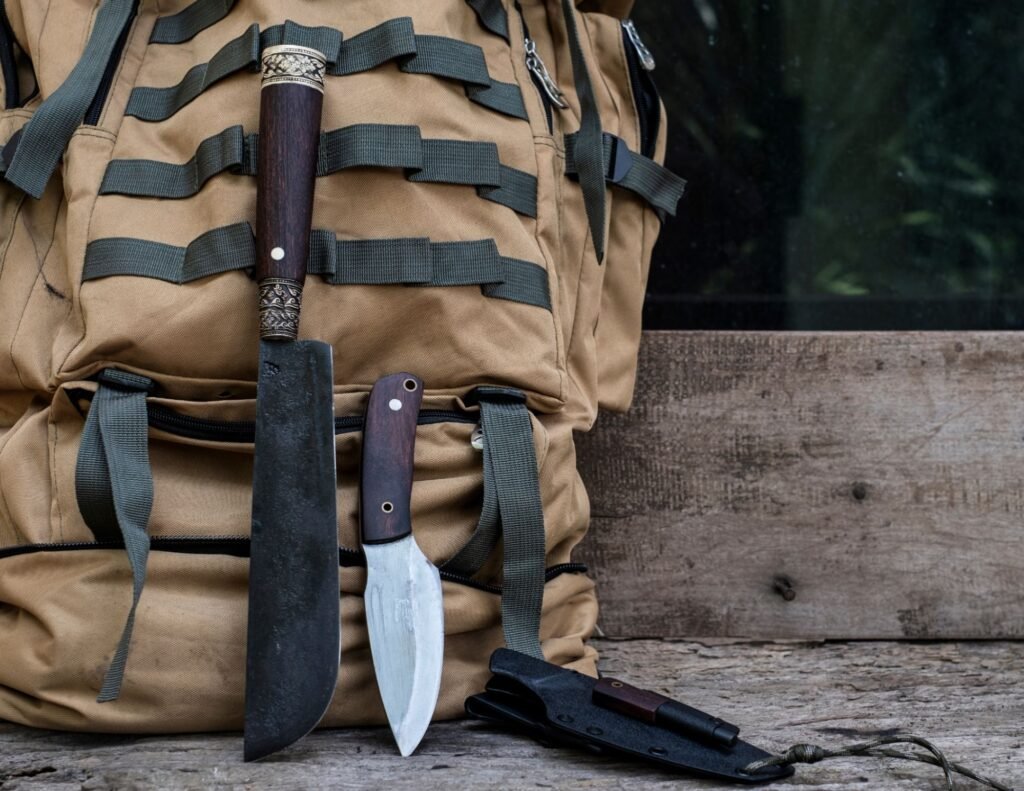
Being amply prepared in a survival situation is something most people at least think about when planning any excursion or
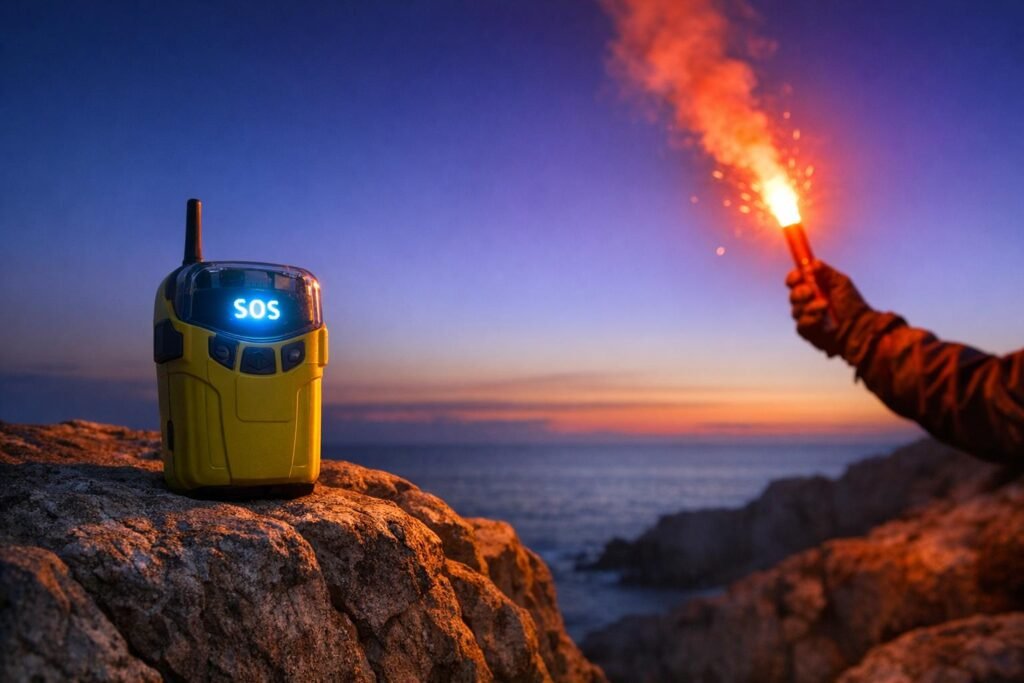
Beacons call for rescue via satellite while flares provide close-range visual guidance—use both to improve your chances of being found.
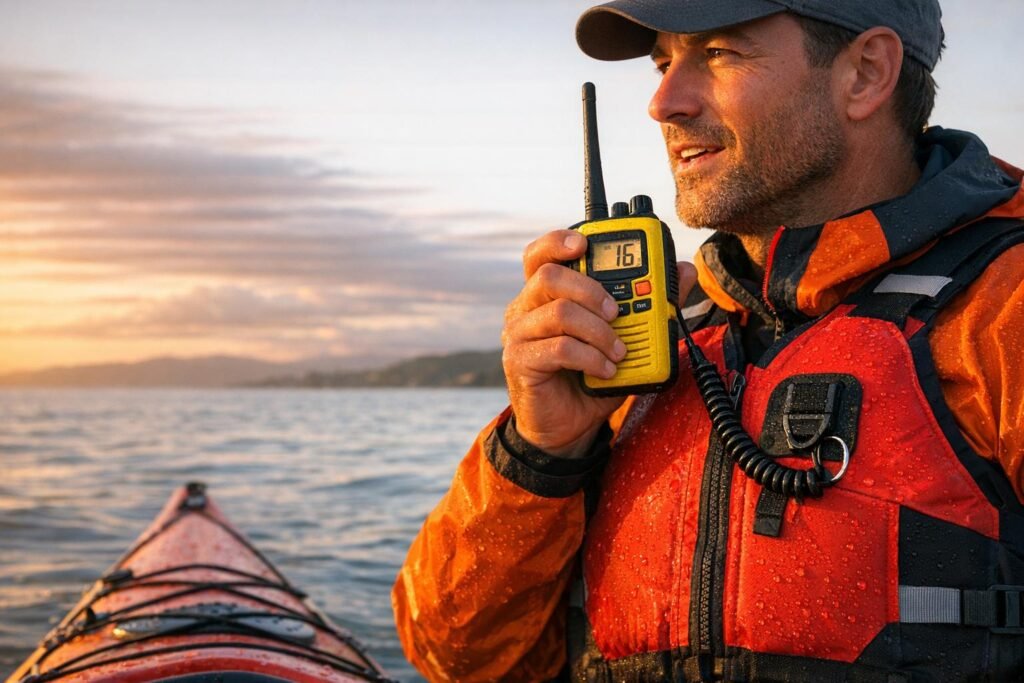
VHF radios are the kayaker’s lifeline—pick, secure, and use them for weather updates, DSC, and Mayday emergency calls.
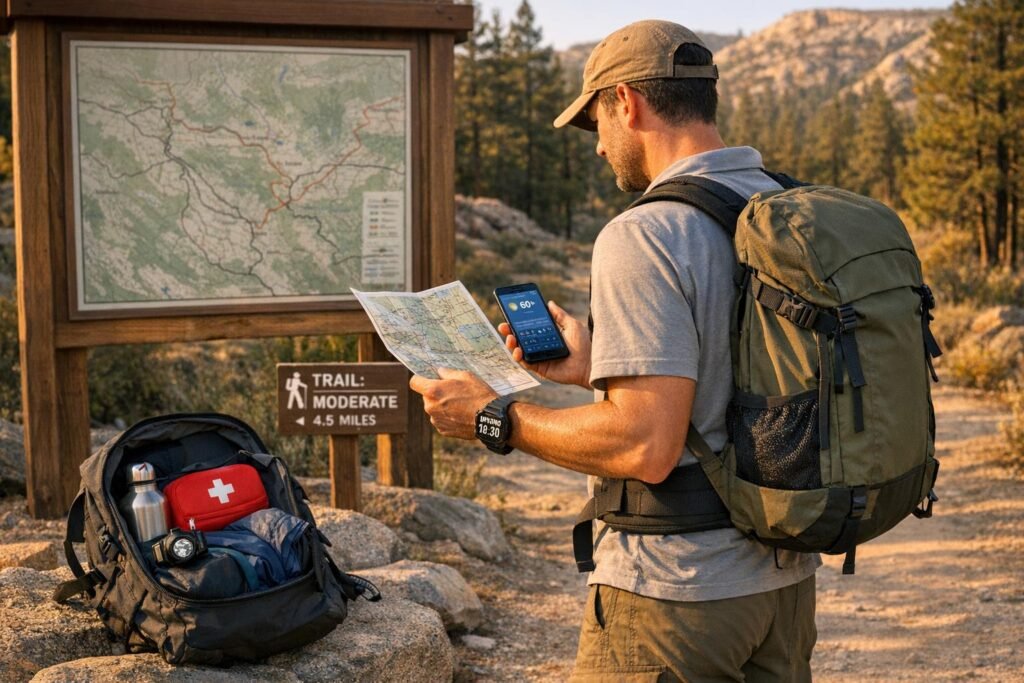
Assess trail difficulty, weather, terrain and gear, set turnaround points, and pack smart to reduce hiking risk and prevent emergencies.
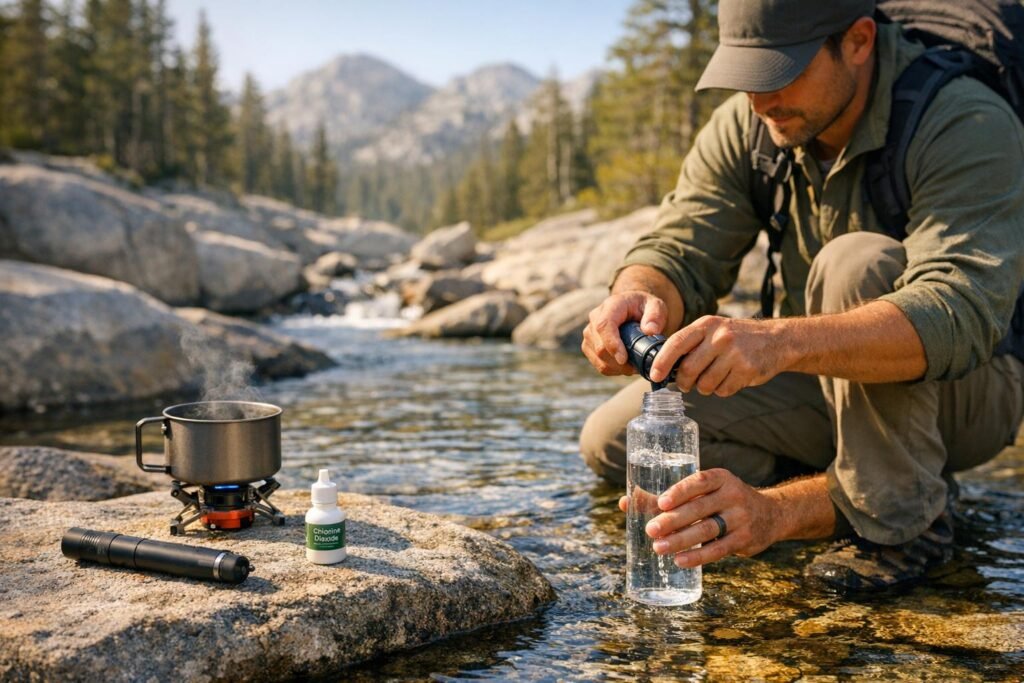
Locate, assess, and safely treat backcountry water: tips on finding sources, spotting contamination, and using boiling, filters, chemical drops, or UV purifiers.
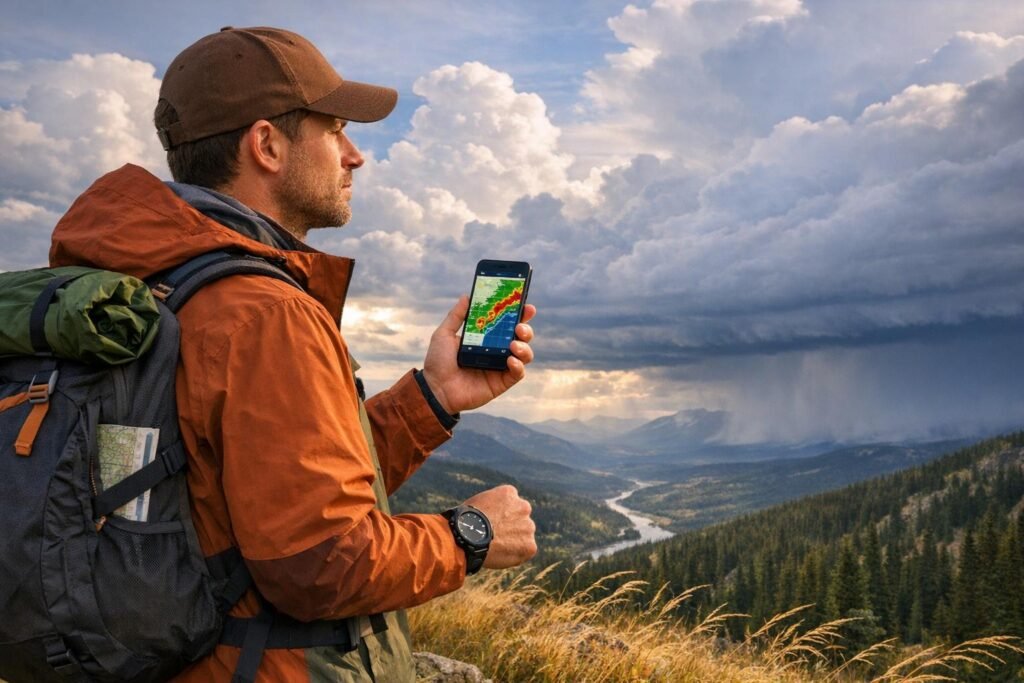
Learn to read forecasts and spot warning signs—pressure drops, dew point, wind, and clouds—to plan routes, pack layers, and avoid storms, floods, and hypothermia.
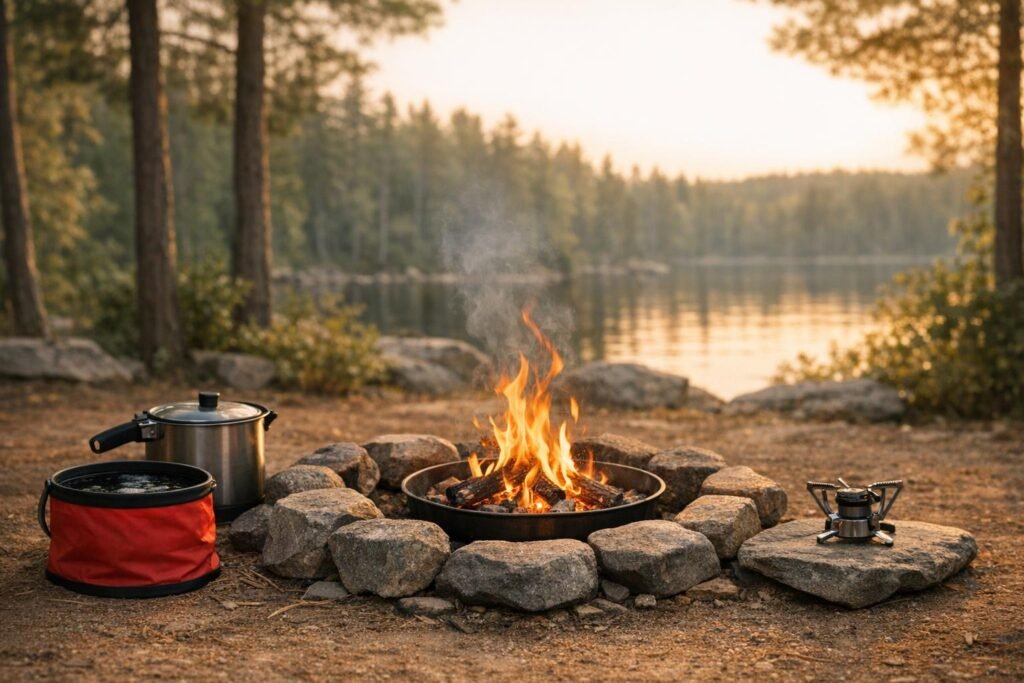
Nine practical tips for low-impact campfires—use fire rings, mound fires or pans, keep fires small, burn to ash, extinguish with water, or use a camp stove.
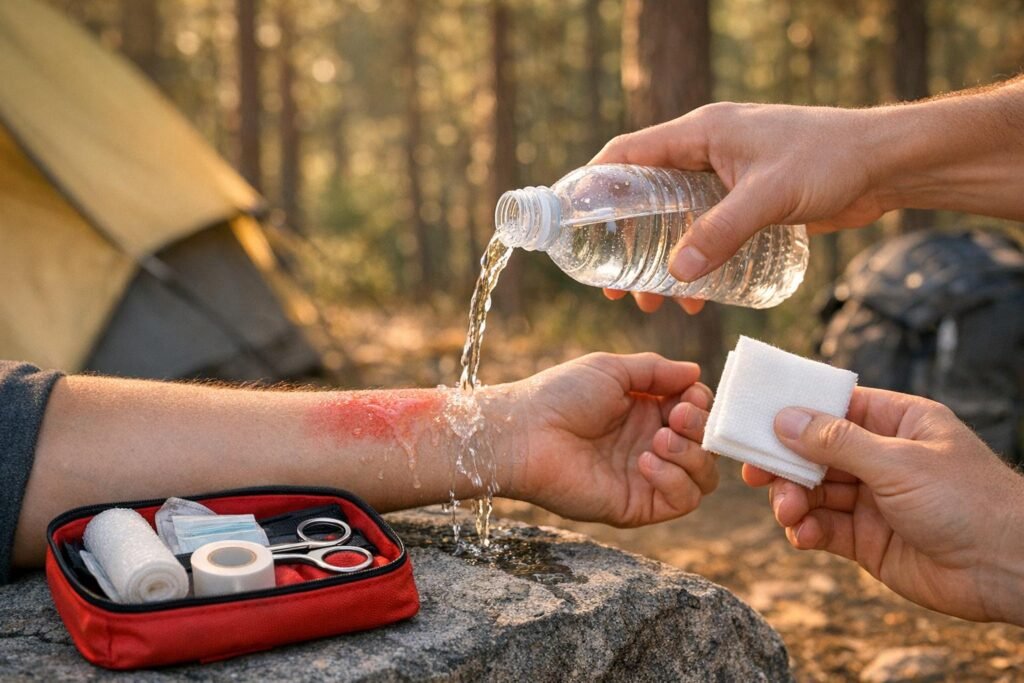
Practical wilderness burn care: identify burn depth, cool and dress wounds, manage pain and infection, improvise dressings, and know evacuation triggers.
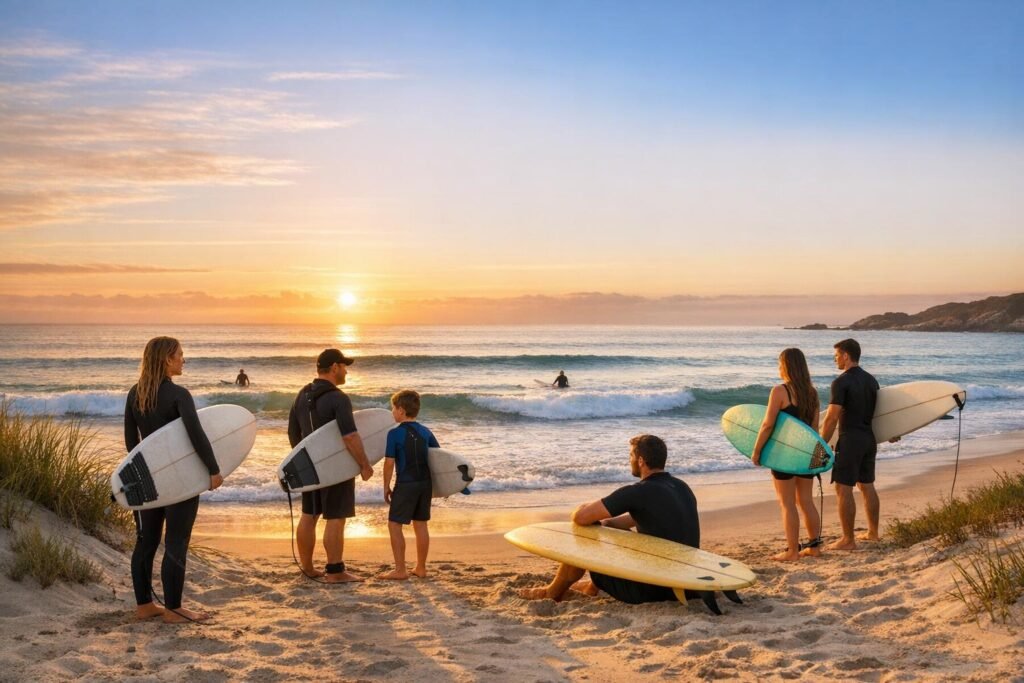
Clear surf etiquette and safety tips for all levels: wave priority, paddling, board control, local respect, and protecting the beach.