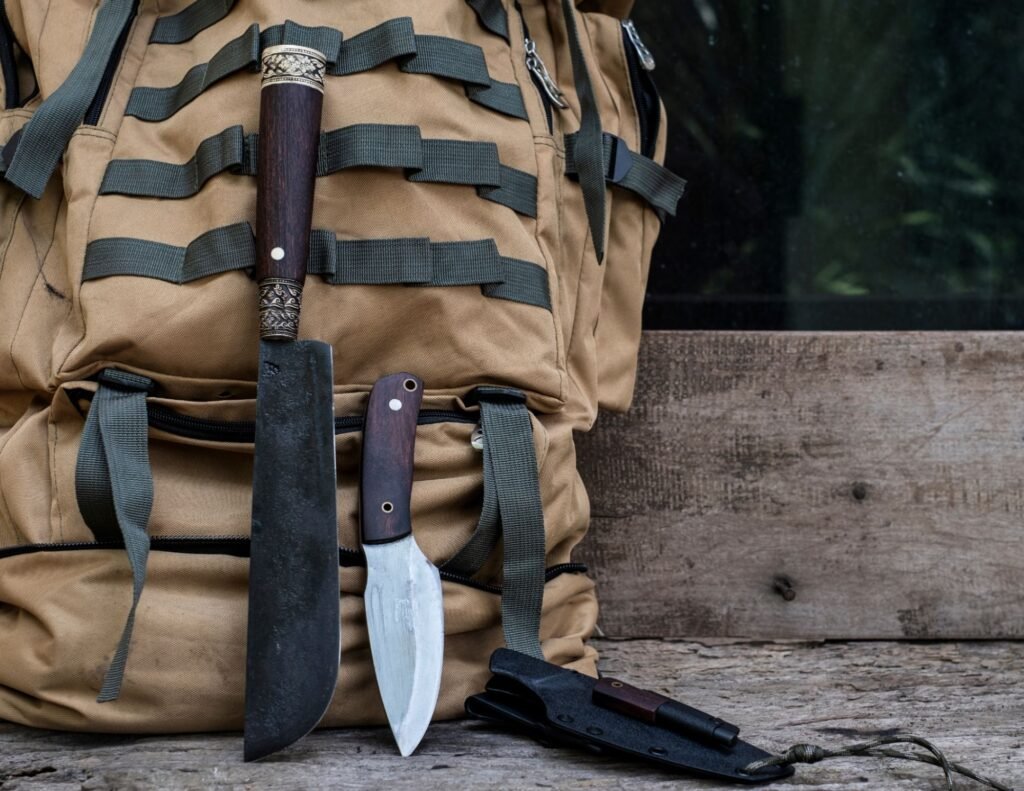
Should You Carry a Knife When Hiking: Hiking Safety Tips
Being amply prepared in a survival situation is something most people at least think about when planning any excursion or

Being amply prepared in a survival situation is something most people at least think about when planning any excursion or
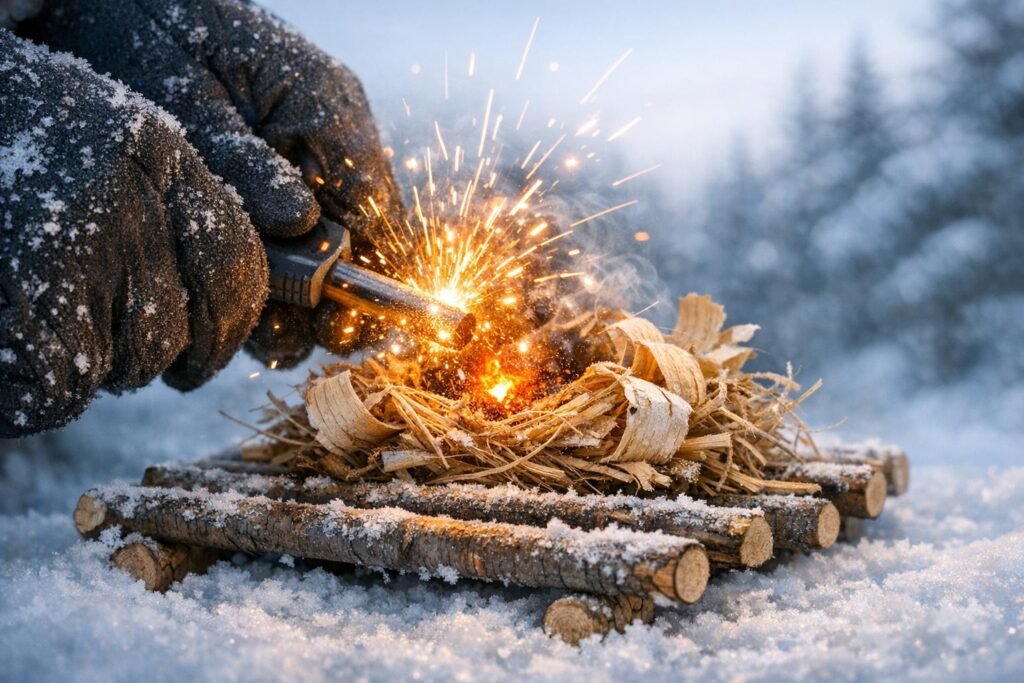
Starting a fire in extreme cold is a skill — use P.A.C.E. tools, dry tinder, elevated platforms and proven fire lays to stay warm and survive.
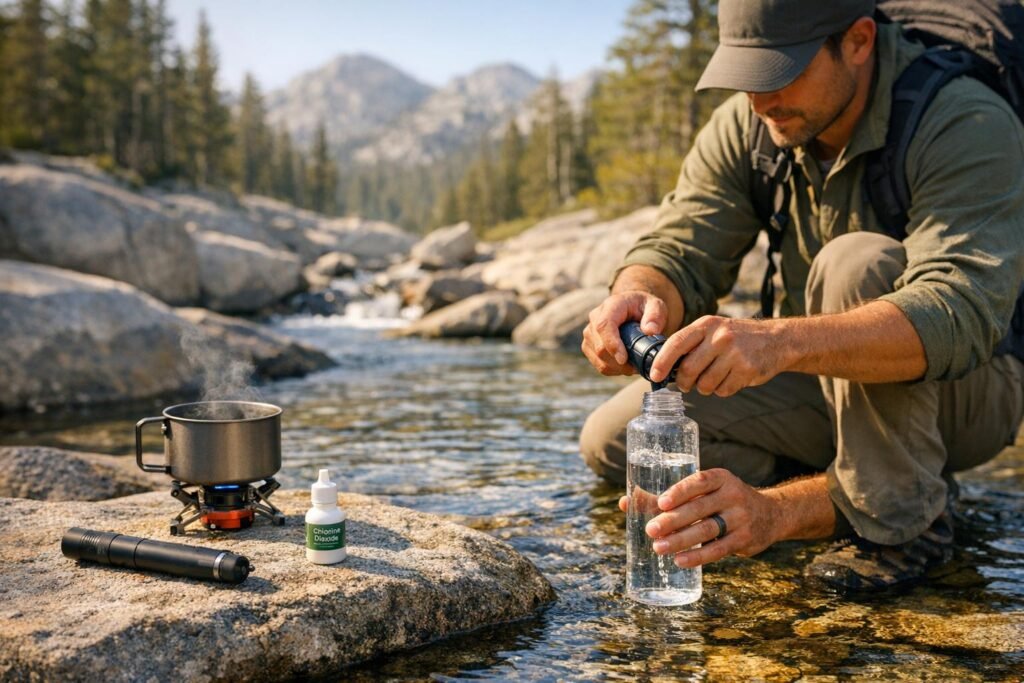
Locate, assess, and safely treat backcountry water: tips on finding sources, spotting contamination, and using boiling, filters, chemical drops, or UV purifiers.
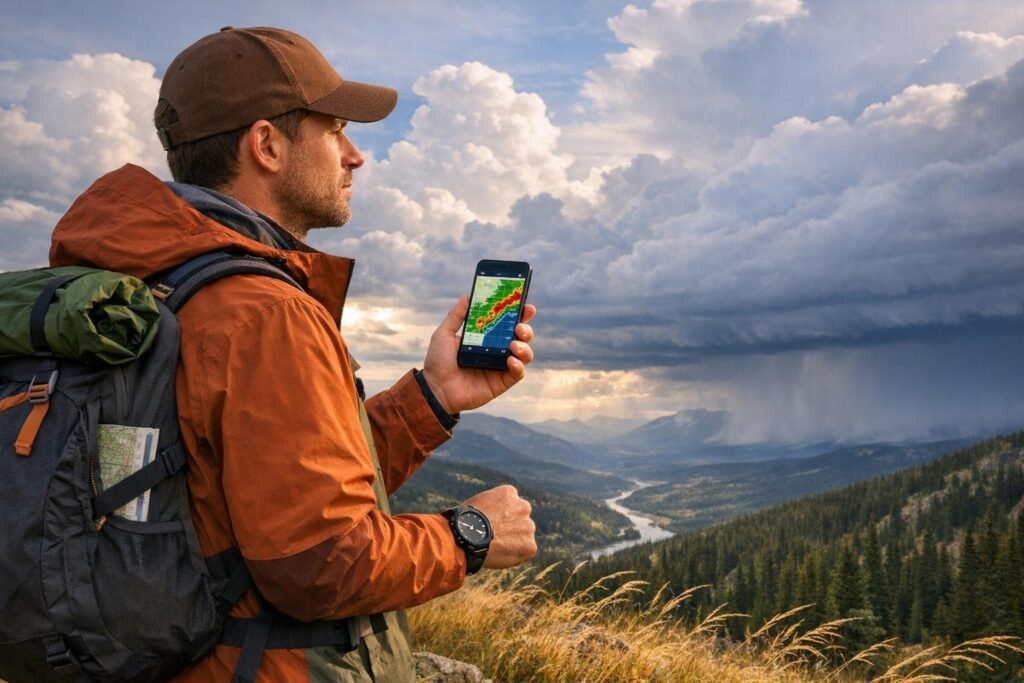
Learn to read forecasts and spot warning signs—pressure drops, dew point, wind, and clouds—to plan routes, pack layers, and avoid storms, floods, and hypothermia.
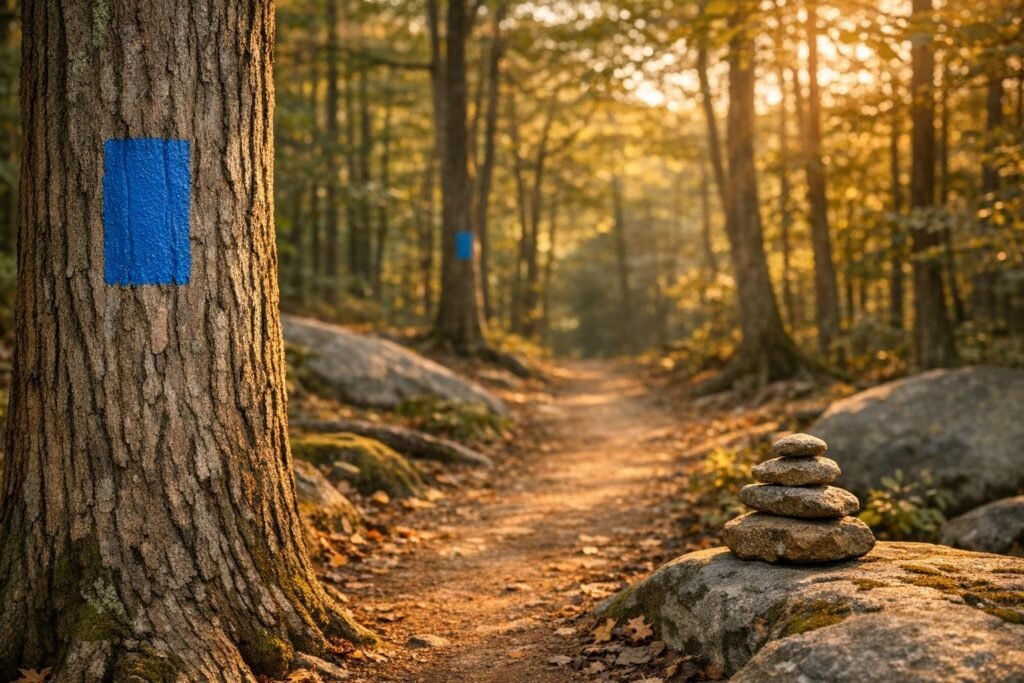
Learn how paint blazes, cairns, and color codes guide trails, plus spacing rules and navigation tips to stay on course without getting lost.
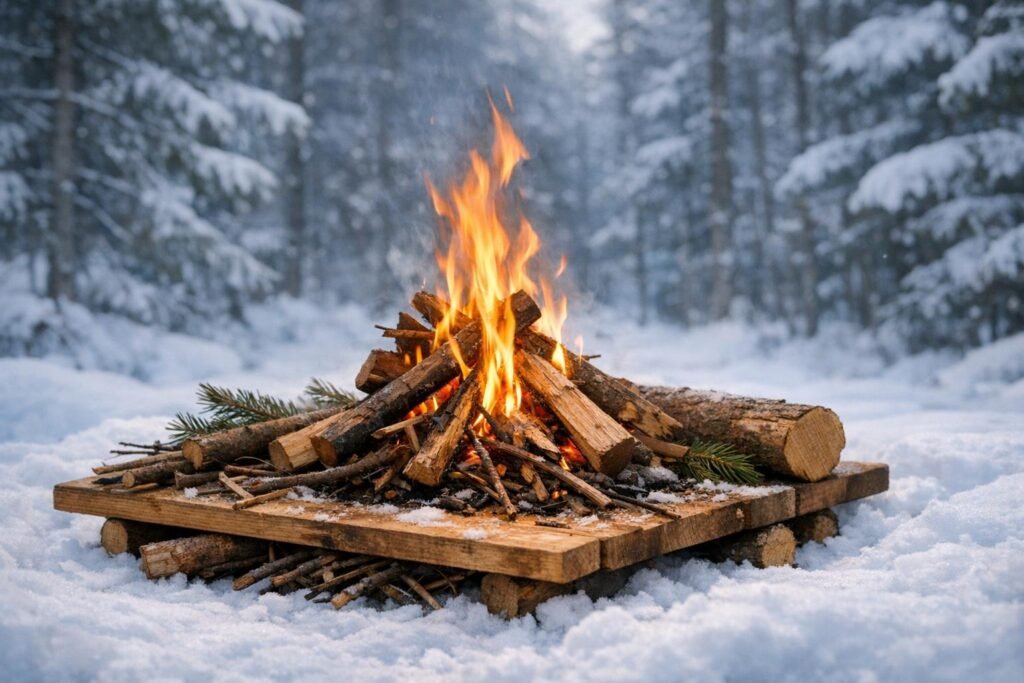
Step-by-step winter fire-building: choose a sheltered site, build an elevated base, gather dry tinder, use reliable starters, and follow safety and Leave No Trace rules.
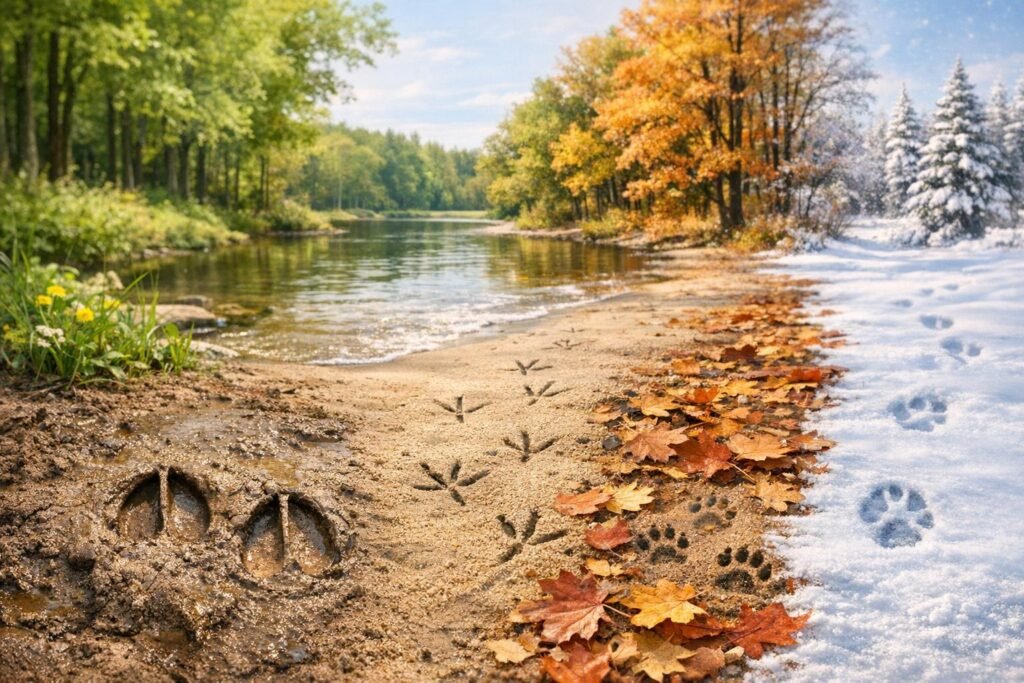
How seasons, surfaces, weather, and ethics affect tracking; tips for spotting tracks in spring mud, summer water, fall leaf litter, and winter snow.
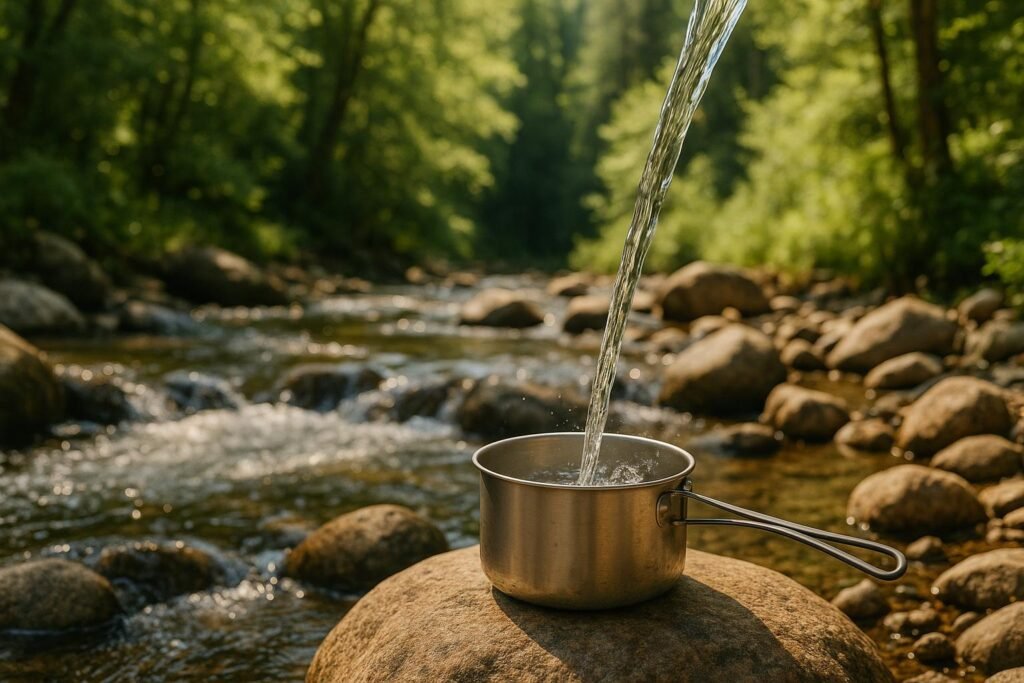
Practical backcountry water safety: choose flowing sources, prefilter, then boil, filter, use chemical tablets or UV; carry backups and avoid cross-contamination.

Learn to identify common animal tracks, from deer to bears, and uncover what they reveal about wildlife behavior and habitats.