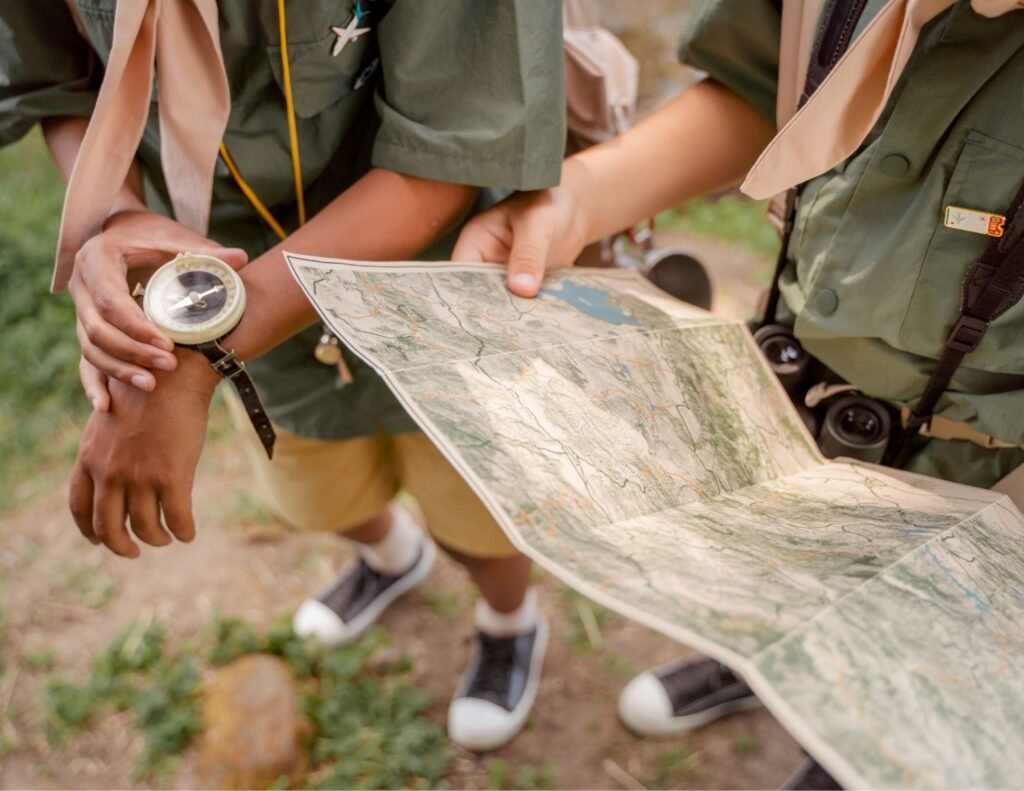
Being out in the wilderness, for those who love a good adventure, offers many unique benefits to your body and health, and provides a lot of mental stimulation that you may be lacking in your daily life.
For example, if you live in the suburbs or a city, you may not see enough trees to satisfy you completely. On the other hand, if you live in rural areas, like a farm, for example, sometimes you might need to get out in nature instead of worrying about daily household chores. Regardless of your situation, you get a ton of joy from being outdoors.
However, suppose you love nature hobbies while also wanting the thrill of being part of a game: more specifically, one that gives you or your team points to earn within a specific time limit. One might wonder if there are such hobbies out there.
Thankfully, you have come across this page or stumbled across the words “rogaining” and “orienteering,” and may wonder what they are and what the major differences between the two sports are.
Rogaining and orienteering are very similar. Both sports require being on different teams and finding the coordinates to the checkpoints to get points. The team, or individual, with the most points wins. On top of this, rogaining and orienteering both have different time limits. One is made for beginners and advanced hikers, whereas the other can be more tedious and consume more of your time.
To that end, we will dive deeper into the differences between the two. After all, to read more about a subject, one has to do a bit of research beforehand. We will review what rogaining and orienteering are. Not only that, but we will discuss the different types of rogaining and orienteering, as well as more differences between the two activities. We encourage you to continue reading for more.
What Is Orienteering?
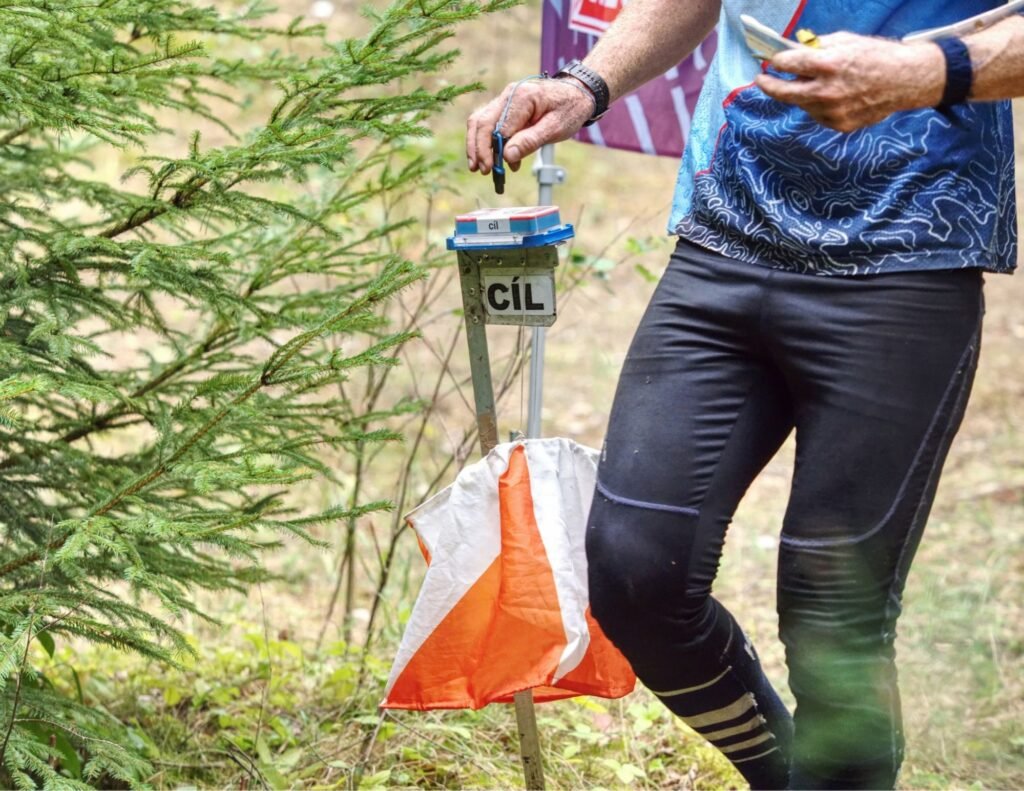
Orienteering is a group of sports that involve using a map and a compass to navigate off-trail and unfamiliar terrain as quickly as possible. These individuals or teams must go to multiple checkpoints over a period of minutes to a few hours. The more checkpoints you go to, the more points you will get.
This sport originated in military land navigation and became a race against the clock. The competitors today may need to navigate in the water, underwater, on foot, skiing, mountain biking, and more.
On top of this, there are quite a few orienteering events you can be a part of! It is also important to check whether this sport is available in your area, as it is not everywhere. Here are some examples of orienteering (or -o) you can be a part of:
- Foot-O
- Trail-O
- Car-O
- Canoe-O
- Mountain bike-O
- Ski-O
What Is Rogaining?
Rogaining is a type of orienteering sport. However, rogaining can last up to 24 hours, though it can also be as short as 2 hours, depending on the type of event.
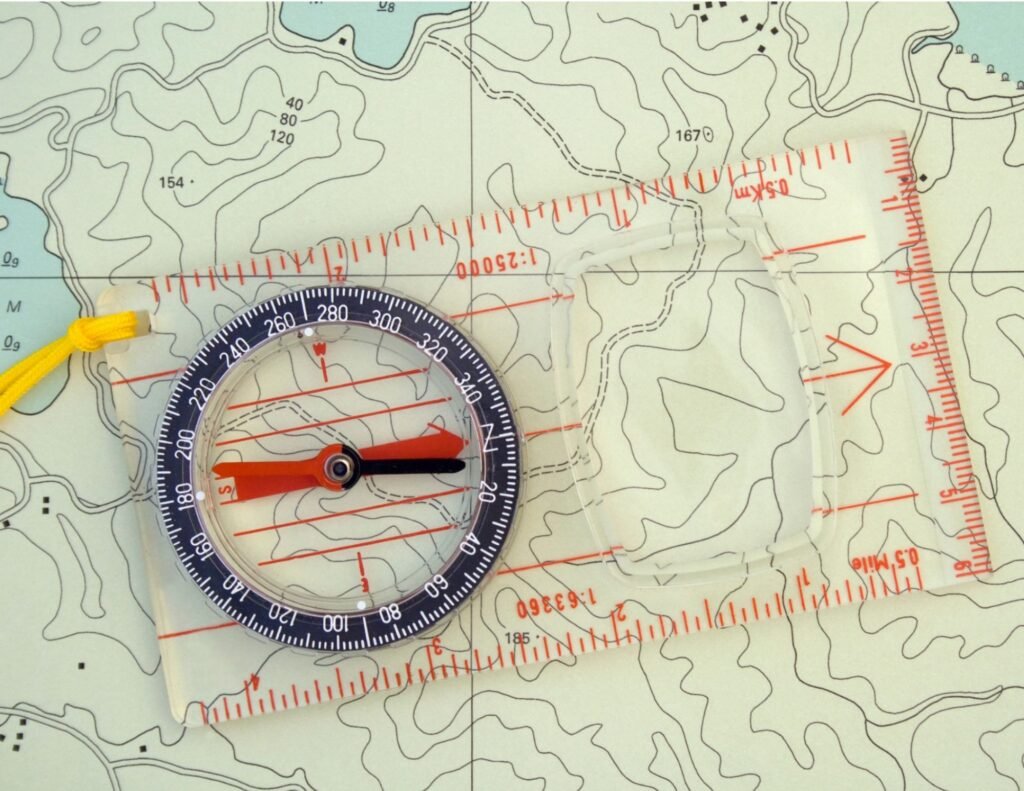
Rogaining involves teams of two to five people. Their goal is to navigate the terrain and plan a route that gets them between the checkpoints, using multiple map types (physical, topographic, or thematic). This helps build endurance and teamwork, provides friendly competition, and allows people to appreciate the natural environment around them.
What Are the Main Differences Between Rogaining and Orienteering?
Although rogaining and orienteering are very similar, there are some differences between them that we need to take into account to see which one is right for you (or simply for educational purposes). Let us take a look at them below.
1. Map Scale and Terrain
Orienteering and rogaining are quite different in terms of maps and terrain. For example, because orienteering events are much smaller, they will only cover areas that are more closely knit. On top of this, orienteering maps are more detailed and may include small trails, elevated areas, and specific vegetation types to help you know what to look for. Many orienteering events might take place in metro areas, as they are easily accessible and occur during the weeknights.
Rogaining, on the other hand, covers a much broader scale on the map due to the longer amount of time you will be out and about with your team. For example, these maps are not as detailed as orienteering maps but will cover broader topographical features, such as roads, hills, rivers, and bridges. These maps will allow you to put your thinking cap on much more, as you will have to pay closer attention to specific details. However, these maps are necessary for rogaining in these areas.
2. Duration
Orienteering is usually a much shorter event than rogaining. Orienteering can last as short as 15 minutes to as long as a few hours; typically, no longer than 2 hours. Most orienteering events last between 1 and 90 minutes. These events are designed to be completed quickly so that you can move through each control point as quickly as possible.
On the other hand, rogaining lasts from a few hours to a full 24-hour day. Most of these endurance activities are 6, 12, or 24 hours long, to the exact hour. However, some rogaining events may only last a few hours. These decision factors depend on the extent of the navigation and the amount of strategizing you and your team may need to do in a specific area.
3. Teams vs. Individual Participation
Orienteering is usually an individual sport; however, events may sometimes require a team or relay. Usually, these teams consist of one or two other people. These competitors are ranked and timed as individuals.
On the other hand, rogaining is, more often than not, a team effort, with teams ranging from 2 to 5 people. Because of this, you will need to be strategic and turn this into a team effort rather than working by yourself. Teams must stay within 20 to 100 meters of each other to ensure safety.
4. Scoring and Goal
Orienteering is scored based on how quickly you can get to the controls while also going to them in a specific order. This is called a linear course. Although specific orienteering courses may not require this, most do. Even still, for most of these games, if you do not visit the controls in order or miss some, there will be penalties, costing you or your team points.
On the other end, rogaining is slightly different. Because you have more time to go to each control, you can choose which path you wish to go to strategically. For example, some control points may be farther or more difficult to reach. Because of this, these controls are worth more points than others, allowing your team to score higher and potentially win.
5. Physical Demand and Strategy
Orienteering can be physically demanding, depending on how fast you are going. Because your goal is to get to the controls as fast as you can, you will need quite a bit of mental and physical strength to continue going. You may have to self-motivate yourself at times as well. Both of these things are important to ensure you can win, or at least do your best.
On the other hand, rogaining also builds significant physical strength and endurance. Sometimes the terrain might be too difficult, whereas other times you will need to motivate yourself to keep pressing on or keep up with the others. You will need to factor in break times for food and water, or for a few moments of rest, before proceeding with your mission.
What Are the Pros and Cons of Rogaining?
There are many benefits to rogaining, but, as with everything, there are some cons as well. Even still, this activity is one of the best things you, as an outdoor enthusiast, can do if you want a challenge. However, one must know both the good and the bad before making a wise decision to determine whether it is right for them.
Advantages
There are many wonderful pros to rogaining. Let us review them below.
1. Builds Your Endurance and Stamina
Because rogaining lasts 2 to 24 hours, it builds endurance, as many courses traverse challenging terrain over long periods. It is physically demanding at times, which can be extremely beneficial if you want more perseverance.
On top of this, you can build your stamina. This is especially true as you will be on the move from start to finish. With time, you will find yourself able to do more in less time without feeling exhausted, especially if this is new territory for you.
2. Great for Navigation Skills and Map Reading
Nowadays, many of us use GPS navigation on our phones instead of a physical compass or map. Because of this, many of us have lost the navigational skills our ancestors had.
However, during your rogaining adventure, you can learn to read a map, plan a route, and use a compass regularly. In doing so, you are familiarizing yourself with diverse terrain, assessing your geographic location, and enhancing your overall navigational abilities.
3. Teamwork and Collaboration
When you are rogaining, you will need to work with others and collaborate across many areas. This might require compromising and not allowing just one person to lead.
Some other things you may have to do with your teammates are navigate together, communicate, learn cooperation, and make strategic decisions about the best route to maximize your score within the time limit.
Disadvantages
Although rogaining has its benefits, there are some things you should consider before you go.
1. Careful Planning
Because rogaining may require several hours to a day of your time, you will need to plan where you will travel first carefully. Consider different route options and figure out what makes sense to you and your team. Not only that, but it is wise to consider the weather conditions and terrain, and keep an eye on the clock for you and your team to succeed.
It is also wise to allow extra time in case you encounter unexpected obstacles. For example, if a large tree has fallen on the pathway you took, then it might be more difficult to get around or climb over. Because of this, you should set a time window to ensure your team and you succeed.
2. Prone to Physical Exhaustion
One thing about rogaining is that it can lead to physical exhaustion quickly. For example, suppose you are not in the best shape but want to participate in a rogaining event.
When you first start, things might seem fine, but after an hour or two, especially if you’re climbing to great heights, you might fatigue quickly. Because of this, it is important to ensure your body is fit enough to handle any experience you may encounter in rogaining.
On top of this, it is extremely wise to ensure you can manage your energy levels for an extended period. Make sure you pack high-protein foods, water, electrolytes, or similar items to ensure you have enough to get you through your physical activity.
What Are the Pros and Cons of Orienteering?
As with rogaining, orienteering is an excellent sport that you can do by yourself or with another person. However, some orienteering might not be for everyone, so let us get into why you should love it vs. why it might not be suitable for you.
Advantages
Orienteering and rogaining share many pros and cons. However, as we know from previously, rogaining is much longer than orienteering, so this sport would suit those who wish to do only a couple of hours of an event rather than an all-day adventure.
1. Get in Touch With Nature
One of the benefits of orienteering is that it allows you to connect with nature. Although you compete with others, you can truly enjoy nature without all the distractions that most of the world gives you.
Not only will you be away from traffic, daily routines, and other things that might cause you to be stressed, but your overall mood will improve, as well as your overall well-being.
2. Variety and Diversity
The benefit of orienteering is that each competition will be different. Sometimes you might be going through rough terrain; other times, you might do something specific, like kayaking, going over a bridge, or doing something you might have never done before. Because of this, orienteering provides a wide range of stimulation, ensuring that things remain exciting and interesting at all times!
3. Improves Fitness and Endurance
Just like rogaining, orienteering also improves fitness and endurance. However, because you are on a tight time limit, you might find yourself with more endurance than rogaining because of how quickly you need to get from point A to point B.
4. Provides Quick Critical Thinking and Mental Skills
Orienteering requires quick thinking in everything you do. In doing so, it allows you to make decisions more easily over time. On top of this, you will be better able to analyze things, which will help in many aspects of your life and work.
5. Social Interactions
For those who thrive on social interaction, orienteering is the perfect sport. Even if you are not used to being around people but want to get out of your comfort zone or learn to communicate more clearly, orienteering is a wonderful sport for you to be in. One other thing to consider is that if you love communicating with others, being in nature, and competition, this sport is fantastic for you!
6. Helps Your Navigation Skills
If you want to build your navigation skills, we recommend orienteering. It is useful for what you are doing, and also for hiking and traveling. Plus, sometimes you might not have access to your phone’s GPS. This is where navigation skills come in handy.
Disadvantages
Orienteering can be for many people, but for some it might be difficult or not their cup of tea. Keep reading to find out what we mean by this.
1. Dependent on the Weather
Unfortunately, because orienteering takes place outdoors, it might be canceled due to the weather. For example, a cancellation may not happen if it is light rain or snow. However, severe weather such as thunderstorms, tornado warnings, heavy snow, sleet, or heat advisories may cause the events to be canceled. The event may not be rescheduled or may have been rescheduled to another date when you are busy.
2. Might Be Difficult for Beginners or Mobility Impaired
Although orienteering may be better for beginners because it does not last as long as rogaining, it may still be difficult for those who lack the physical endurance to keep up with others who have greater endurance. This is because orienteering often involves difficult terrain or long distances that you might need to cover quickly.
On top of this, orienteering might not be the best option for those with mobility impairments, such as those in wheelchairs, those with arthritis, or similar conditions. However, there is a specific orienteering sport called Trail-O that would be perfect for those who may be physically unable to go out and about.
Lastly, if you are not careful enough, you might risk injury. It is extremely important to ensure you know where you are going at all times. This means you need to look to make sure you are not falling into any unexpected holes, mud, large tree branches, roots, or debris. On top of this, you may be climbing up mountainsides or crossing a long, high bridge. Make sure you consider all of these things if you are a beginner as well.
3. Needing Equipment and Knowing Technicalities
Orienteering requires special equipment, such as a compass and a map. On top of this, it is wise to proceed with the right type of clothes and backpacks. For example, we recommend using hiking boots and a hiking backpack to make the most of your orienteering experience. On top of this, we recommend long pants so ticks and other insects have a harder time getting on you.
On top of this, for those who do not understand maps and compasses, mastering these skills can be technically difficult on the first try. However, this can be fixed with enough practice, so keep practicing to master the skill and improve!
4. Finding Competitors May Be Difficult
Unfortunately, although orienteering is an excellent sport to be a part of, it could be very difficult to find competitions in the area. It is wise to ask local groups if any events are near. If not, we recommend Googling “orienteering” in your area to see if any events are happening near you.
Alternatively, if you are truly determined to orienteer in your local area, we recommend starting your own competition! It might take a lot of work to advertise and develop the game initially, but the more the word gets out, the better it will be!
Which One Is Right for You?
Determining whether orienteering or rogaining is right for you reveals quite a few things. First, you might ask yourself, how long do you wish to do either of these two events? If you can only handle a couple of hours, then we recommend starting with orienteering.
However, for a higher-stakes competition, rogaining might be the right one for you. Either way, both of these sports are extremely similar in terms of terrain, competition, what types you can do, etc. So, to ask, which one is right for you? Only you can decide that!