
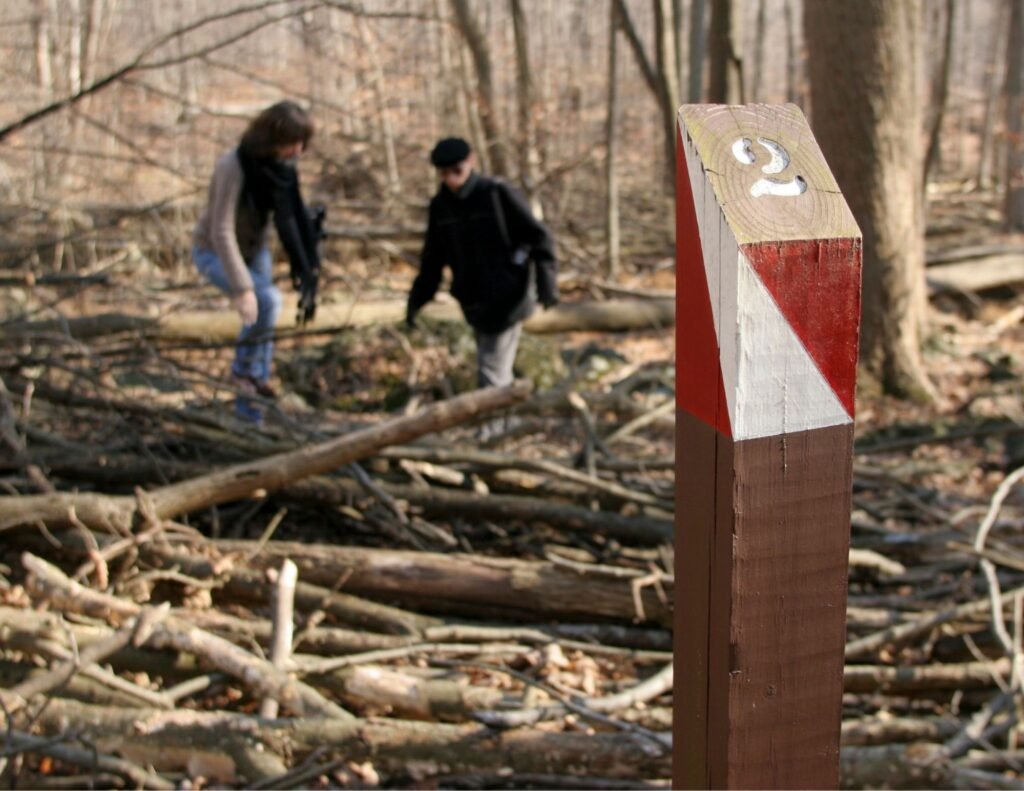
When heading into the great outdoors to find peace and solace, one of the best things is that there is no end to what you can do. Some people want to hike to enjoy nature, but others might wish to solve a high-speed geographic puzzle. In this case, you might discover orienteering and find it an incredible sport enjoyed by many people.
Whether you want to do it as a solo sport or with a team, there is no end to it. However, one might wonder what the main difference is between hiking and orienteering, and what makes these sports so unique. Thankfully, we have the answers right under our fingertips, having done extensive research on the two sports, and we have you covered.
The main difference between hiking and orienteering is that hiking is essentially following a trail. Hiking can use GPS coordinates to guide you to and from the trail entrance.
On the other hand, orienteering is about navigating through untouched lands. In orienteering, you are given a specialized topographical map and a magnetic compass to find your way to specific checkpoints that are entirely off-trail.
In this article, we will go more in-depth into what hiking and orienteering are. In addition, we will discuss the main differences between the two and their pros and cons. Overall, if you wish to learn more about the two sports, we encourage you to continue reading below.
What Is Hiking?
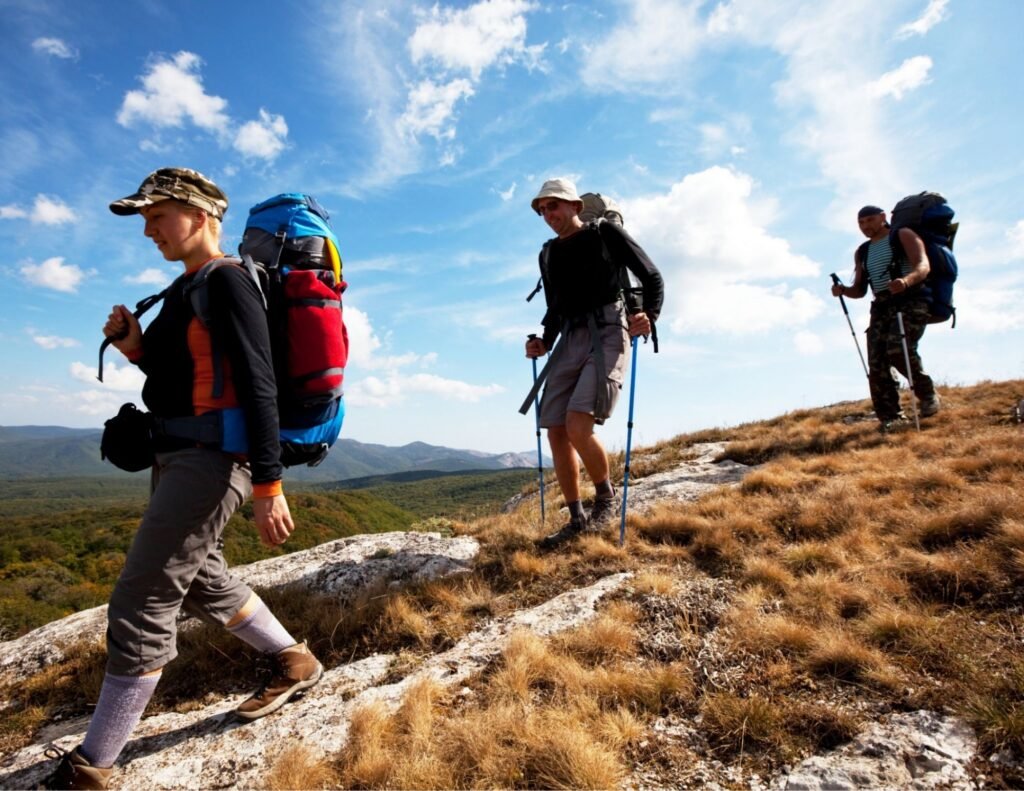
Hiking is a recreational activity people do alone or with a group, typically lasting from a few minutes to several hours. Some people go on day hikes, whereas others go on several-day hikes.
This distance could be anywhere between 0.5 miles (or less) to 20+ miles. If you are hiking over 20 miles, you are essentially backpacking at this point, as you stop to rest or camp, then continue your journey the next day. However, that is a discussion for another post.
On top of this, hiking may not require any huge physical labor, as you can choose the intensity of the trail you wish to go on: beginner, intermediate, advanced, etc.
Some hiking trails require more physical labor. For example, you may need to walk up or down large rocks or hills, or you may have paved trails near you, which help those with strollers or in wheelchairs. More often than not, the trails are labeled “wheelchair accessible” for your convenience.
On top of this, there are hiking sports that some people compete in. For example, there is the 52 Hike Challenge, Adventure Races (a multi-sport event), and 29029 Everesting, where participants hike up a mountain repeatedly for 36 hours, aiming to reach the equivalent height of Mount Everest.
What Types of Hiking Are There?
There are many types of hiking you can try. Some of these hiking levels are suitable for advanced hikers, whereas others are suitable for beginners or intermediates. Overall, regardless of your preferences or physical abilities, you can try multiple types of hiking and pick the ones that suit your lifestyle best!
1. Day Hiking
One of the most popular types of hikes is day hiking, which is essentially what it sounds like: hiking for a single day, typically during daylight hours. For day hiking, you can hike as little as one mile to 20 or 30 miles per day.
This entirely depends on what limits you wish to push yourself towards, how long the hike route is (loop or an in-and-out route), and how long you truly want to hike in the first place. Another thing to keep in mind is that day hiking may not require as much gear as other hiking adventures may.
2. Speed Hiking
Speed hiking is essentially hiking at a fast pace! This is a perfect way to get your cardio in while also enjoying the beauty of nature. It is important to note that although speed hiking can be fun, sometimes you might miss a few obstacles along the way. For example, some pavement might be broken in certain areas, or a tree or branch might have fallen due to a storm. Because of this, it is important to continuously monitor the pavement or pathway.
3. Thru-hiking
For those who have time, thru-hiking is essentially hiking from the beginning to the end without stopping. Of course, rest days are part of this type of hike, but you will not leave the area to return later to finish it, as we will discuss next.
For example, if you wish to hike the Pacific Crest Trail, which is 2653 miles long, running from the US-Canadian border to the US-Mexico border, but do not want to stop and return later, we recommend hiking nonstop.
More often than not, thru-hikers need to make sure they have the endurance to carry on and will essentially live off what they have. They will often trade, barter, send back, or buy new gear to ensure they have what they need for what lies ahead.
Another boon to a thru-hike is that you and your companions will come up with trail names for each other, form trail families, and get taken care of by those who consider themselves trail angels, or provide snacks, food, or whatever is needed. This is often called trail magic.
4. Section Hiking
Section hiking is essentially where you will hike sections of an extremely long trail at a time. For example, if you section-hike the Appalachian Trail, which is 2190 miles long, you can hike a specific section one day, wait a week or two, and section-hike another large portion on another day. Section hiking works well for backpacking or day hiking.
5. Winter Hiking
Winter hiking occurs only once a year and can be done in areas with different seasons. Some people absolutely love hiking in the winter because there are no bugs, and many animals are hibernating. On top of this, the snow (if any) gives a different feeling as you walk along the pathways. One of the biggest obstacles might be ice along the path. In this case, it is important to wear proper footwear to avoid slipping and sliding everywhere.
6. Fastpacking
Fastpacking is a combination of backpacking, speed hiking, and trail running. The main difference between speed hiking and fastpacking is that you do fastpacking for days on end, whereas speed hiking is more of a day hike.
While fastpacking, it is important to back strategically, keeping a light load while ensuring you have plenty of protein to get you through the day. However, packing a heavy load may make you more prone to injury.
As many of us well know, the more energy you put into something, the more energy you will need to get you through the day. On top of this, make sure you can camp at multiple locations, as you will be covering long distances.
7. Urban Hiking
Urban hiking is simply hiking in urban areas. Although many people hike during the daytime, it can be done at night as well. Many people love hiking in areas rich in culture, with more social engagement, cityscapes, and other urban areas.
Most people use this time for a day hike, but others may also backpack in urban areas. However, if you choose to backpack, it is important to note where you can stay for the night and any local ordinances that apply there.
8. Point-of-interest Hiking
Point-of-interest hiking is hiking to a specific spot of interest. This requires a lot of navigating with a GPS, compass, or other navigation tools, and checking specific sites to ensure you are going the right way.
For example, if you wish to see a specific waterfall, natural arch, mountain view, or any other specific landform, using this type of hiking is what you are looking to do. Point-of-interest hiking might also require using multiple trails to reach your destination. Who knows, you might find some other beauties on the trails that you may not have known about beforehand!
9. Bushwhacking
Bushwhacking is the closest thing you will get to orienteering. This is because the majority of people who love bushwhacking will venture off-trail more often than not. On top of this, bushwhackers usually use a compass, a map, or a GPS to navigate. Some people may go off the grid entirely and use their memory to get back to where they started.
However, it is important to know which locations you can use for bushwhacking, as many parks, including National Parks, might not allow it to ensure vegetation grows naturally. On top of this, when doing this kind of hike, it is important to know where you are stepping. For example, if there are venomous snakes in the area you are working in, make sure you are careful where you step to stay safe.
10. Backpacking
When you love camping and hiking, backpacking is the perfect way to do both! Backpacking means hiking an extremely long trail for several days to a few weeks, camping along the way.
Some trails offer campground sites along the trail or nearby, so you have a place to rest. Some of the gear you bring along the way will require camping and cooking items. Not to mention something that helps filter your water (or brings filtered water to ensure you remain hydrated).
11. Trekking
Trekking is a bit like backpacking. However, the main difference is that some trekking groups might do so in urban environments or on rough terrain rather than on a pathway. Some trekking might also become a lifetime adventure, or, at the very least, several years’ worth of going from one place to another on foot!
When considering trekking, it is important to mentally prepare, make sure you have plenty of food to last several days (or weeks), and ensure you have the physical endurance to keep going, even when things get tough. On top of this, make sure you have good navigation skills as you will enter plenty of remote areas and off-trail routes.
12. Night Hiking
You may have hiked during the daytime loads of times, but have you considered doing so at night? One thing to consider is that some parks may not allow this, as many close at dusk. However, there is no harm in finding the places where this is acceptable.
It is also important to note that night hiking is not for everyone, as it produces more hazards than daytime hikes. Not only are nocturnal animals that can cause danger, like mountain lions or moose (depending on where you live). However, night hiking is good for those who enjoy being out and about in the late evening rather than during daylight.
13. Mountain or Summit Hiking
Mountain or summit hiking is essentially where you hike up to the very top of the mountain. For example, although dangerous, some people will hike up Mount Everest or complete a 14er, which is essentially hiking a full 14,000-foot mountain. In the United States alone, there are 96 14ers to choose from. Some of the most popular ones are Denali (AK), Mount Elbert (CO), and Mount Whitney (CA).
It is extremely important to note that you need the physical capability, strength, and endurance to continue. On top of this, you will need mental strength as it may require a lot of self-motivation on your end.
Regardless of the mountain or summit you choose to hike, you can climb it in one day or make it a multi-day trip, depending on how large it is and how far you are willing to go. After climbing a mountain or summit, you can feel a sense of accomplishment knowing you did it without backing down!
What Is Orienteering?
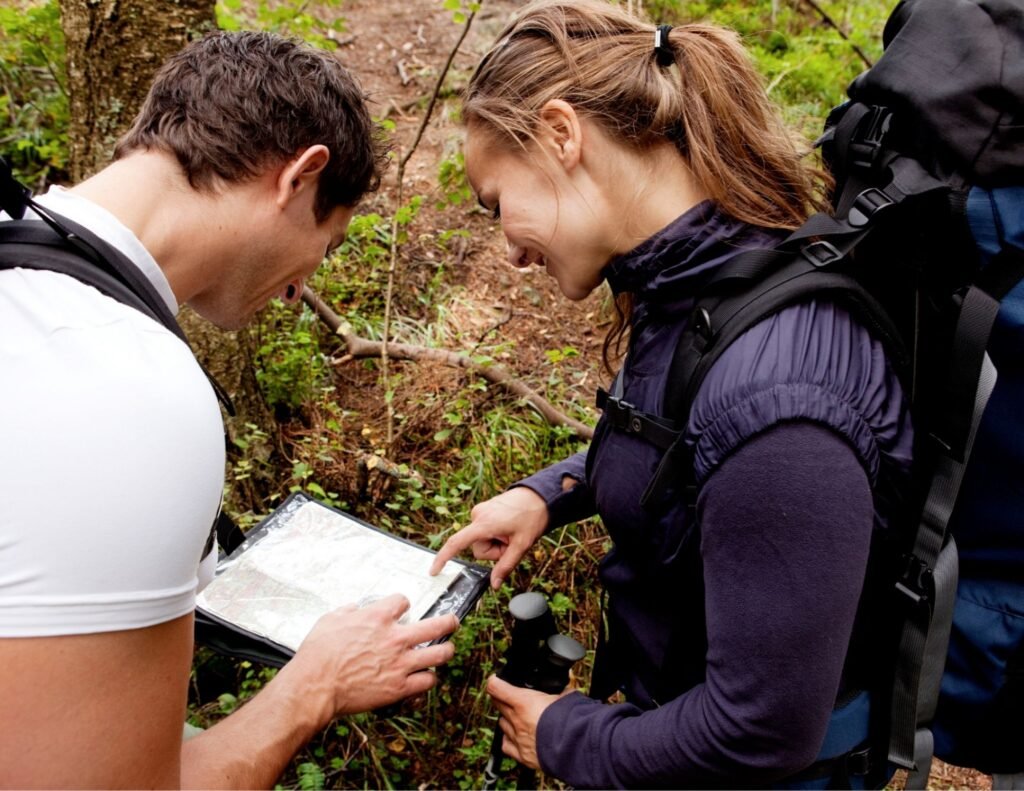
Orienteering is a bit different from hiking, as it requires you to navigate unfamiliar terrain. For example, if you know a trail by heart since you have been on it so many times, then you might like a bit of a challenge. In this particular case, you will have a compass and a map to find specific checkpoints. On top of this, you can choose your own route between each checkpoint, adding more flavor and interest to the race!
Many of these orienteering events are suitable for all ages and fitness levels, so make sure you thoroughly review a specific event before joining. For example, if you want to do this sport with your family (especially if you have children), then we recommend finding a specific event that has this option.
Alternatively, if you are an advanced hiker, some orienteering events allow you to test your strength and endurance. In this case, we recommend considering joining a local orienteering club near you. If there is none, consider starting one yourself!
What Types of Orienteering Are There?
There are many wonderful types of orienteering events you can be part of. It is important to note that orienteering does not strictly involve being on foot; it can also include canoeing, skiing, mountain biking, and more.
On top of this, some orienteering clubs do not offer specific orienteering types, so it is important to look around at what is available in your area if you wish to participate in something specific. From this moment forward, we will refer to orienteering as ‘orienteering-O’.
Although we will not review all the types of orienteering, here are some very popular ones you may see yourself getting involved in (if you desire):
1. Foot-O
Foot-O is the largest form of orienteering because it involves going off-trail and onto natural terrain. Foot-O is a timed race in which participants combine running and navigation across unfamiliar areas. Each participant is timed and must navigate the course as quickly as possible.
Participants are not allowed to use a GPS during this type of orienteering. Instead, they need to rely solely on a compass and a map.
This course usually consists of several control points marked on the map that need to be visited in the correct order. Each competitor carries a punch card proving they have arrived at the checkpoint. Overall, this particular sport is unique and challenges someone’s physical and mental abilities.
2. Trail-O
For those with limited mobility, trail-O is the perfect activity! The object of the game is quite simply to focus on precise navigation using a map. Competitors will identify the control points from a distance without racing to each one.
The information available to the orienteer includes map features, terrain observation, and clue descriptions. To win, you need to identify the correct controls rather than go for the fastest time.
3. Canoe-O
Canoe-O is where contestants utilize canoes, kayaks, or other small boats to find control points marked on the map. Some of these marks are in the woods, around a lake, or on small islands.
One or two people usually do this specific competition, which includes a timed course. Teams will strategically choose both water and land routes to complete the course effectively. The winner with the fastest time and most points wins the competition.
4. Mountain Bike-O
In mountain bike-O, competitors use a bike to navigate part of the orienteering course. Those using this method will ride a mountain bike for part or all of the course. They may use a pre-printed orienteering map to help users find control points within a set time limit. This specific sport combines people’s navigation and cycling abilities, making it a challenging, but fun and exciting adventure!
Bike-o uses two main formats: classic, where participants visit controls in numerical order, starting with #1 and ending with #last, or score-O, where participants choose their own route to maximize points based on difficulty and distance. In classic events, it is based on how long it takes to complete all the controls, whereas in score-O, participants are scored based on the highest points they earn within the time limit.
5. Extreme-O
Extreme-O is a multi-day adventure featuring varied terrain and types of orienteering. This involved utilizing different maps, such as aerial photographs, topographical maps, or quadrant maps.
Many events might include memory legs, culvert controls, rope bridge crossing, canoe legs, or other various tests. Some terrain you might encounter includes water bodies, urban areas, forests, and more. In doing so, it makes it a multifaceted competition full of thrills and excitement, testing your endurance.
6. Line-O
Line-o is a type of orienteering that contains intervals and maps through a route line. However, the controls are not marked on the map; only the route is. Because of this, orienteers need to find these controls on their own using the given route, and participants must follow the route as carefully as possible over the terrain. Line-O is suitable for beginners or those looking to practice their navigation skills.
What Are the Differences Between Hiking and Orienteering?
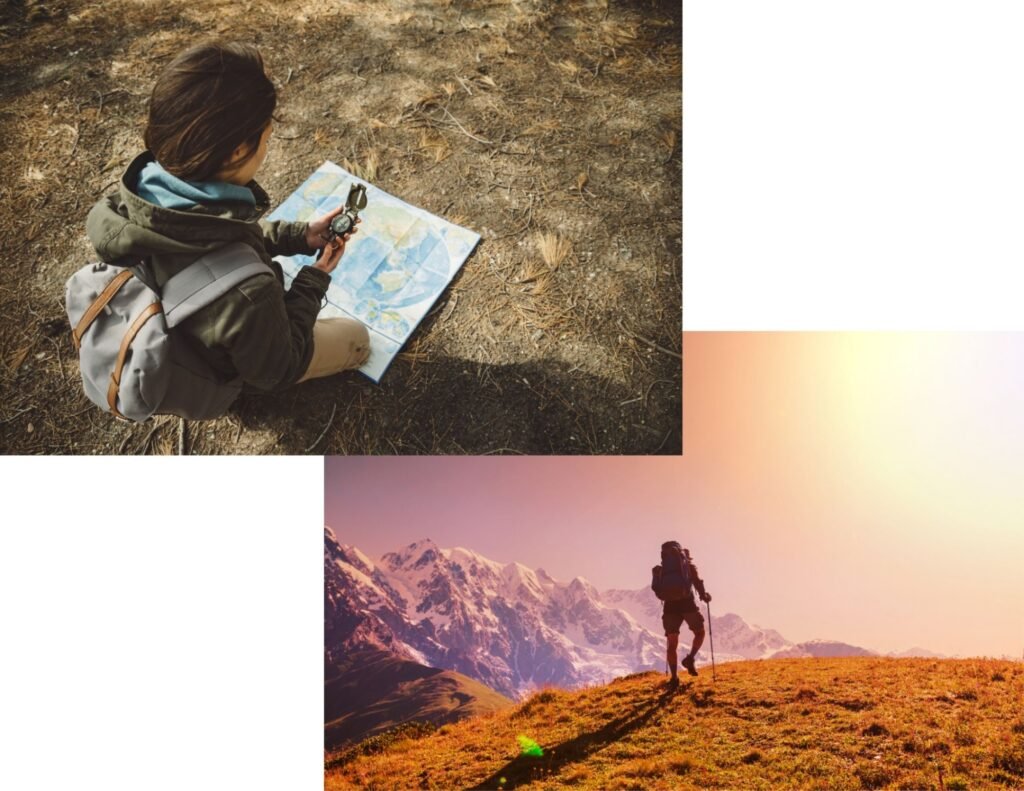
The main difference between hiking and orienteering is that one is strictly a competitive sport, whereas the other can be both competitive or casual. Hiking and orienteering can be done almost anywhere. However, hiking does not involve a timed limit and allows you to go anywhere without worrying about others beating you to the finish line.
1. Unlimited Reach vs. Limited Area
On the other hand, you can go wherever you please for hiking. Although orienteering allows you to choose which route you wish to go on (most of the time), you will still need to remain in a specific location and find the controls that are marked for you.
2. GPS Non-GPS
More often than not, you may not be able to use a GPS while orienteering, whereas you can use one anytime you hike (unless you wish to practice your navigation skills and do not want to use one). However, most orienteering events require you to use a compass and different types of maps to find out what specific location you should go to.
3. Foot vs. Non-foot
Hiking strictly involves you being on foot. Although there are many types of hikes you can do (like backpacking or trekking), all of them are done on foot. On the other hand, orienteering can involve many activities, such as using your canoe or mountain bike.
4. Accessibility
In some instances, you can include those on disability who do not require much physical activity to ensure they get the thrill of the events, too! If you are on disability and wish to hike, consider looking for wheelchair-accessible or paved trails with not many hills or turns.
5. Organized Events vs. Hiking Whenever
Another difference between orienteering and hiking is that orienteering requires an organized event, whereas hiking can be done whenever you wish! For example, if you are a night owl, you can hike in certain areas at night. The biggest issue is finding places to hike, since many parks close at dusk.
Which One Is Better for You?
Deciding which sport is best for you entirely depends on your mentality, physicality, strong-willedness, and other factors. For example, if you are a competitive person and love challenging your brain and body, then orienteering might be just the sport for you! However, if you like to casually walk around without a clock telling you how long you have and when you should be at the finish line, then hiking will be a great option for you.
On top of this, hiking can involve as little or as many people as you wish. If you have a local group you are involved in, like a Mom’s Group that hikes on weekends, meeting up at a specific location and going on the hiking trail is an excellent way to enjoy nature while out with friends or family. However, if you wish to compete on your own or work together as a team, then orienteering will satisfy you much better than hiking.
Overall, hiking and orienteering offer significant benefits for both. However, it entirely depends on the person’s mentality and what they wish to accomplish.
What Are the Pros and Cons of Hiking?
There are many wonderful pros and cons of hiking. To make things much easier, we have put together a simplified chart to help you go through everything quickly.
| Pros | Cons |
| You are getting exercise | Hiking depends on the weather |
| The fast life leaves you for a little while | You may get sore |
| Anyone can do it | Certain trail favorites might be busy on some days (or constantly, like at National Parks) |
| Provides good physical and mental abilities | You have to deal with nature risks (poison ivy, bug bites, etc.) |
| You get to be out in nature | It requires the right equipment (backpacks, shoes, etc.) |
| Provides good socialization |
What Are the Pros and Cons of Orienteering?
Just as we did above, here are the pros and cons of orienteering in chart form.
| Pros | Cons |
| Improves your mental skills | Depends on the weather |
| Provides social interactions | Prone to more injury risks |
| Fitness levels become better | May be difficult for some |
| Allows diversity and variety | You will need specific equipment |
| You develop good navigational skills | It may be difficult to find competitors |
Conclusion
To summarize everything, orienteering and hiking have their pros and cons, differences, and similarities. However, they are both unique in their own way. If you are unsure which to choose, we recommend choosing both and seeing which one fits your style best! Both of these sports provide a wide variety of benefits and allow you to express yourself in a way that you may not normally be able to do in normal circumstances!