

Hiking is one of the best things you can do, especially when doing it correctly. Because of this, you must learn a few things, such as whether hiking can hurt your back.
As you might expect, too much of anything can be a bad thing. Hiking without proper consideration for your safety, what you are carrying, or how you are navigating paths can quickly fatigue your body. It can risk injuring not only your back but also your knees and joints, and cause unnecessary strain that can be avoided with proper preparation.
In this article, we are going to review how hiking can cause back pain and review some ways to prevent it from happening again. With that being said, let us continue reading for more information.
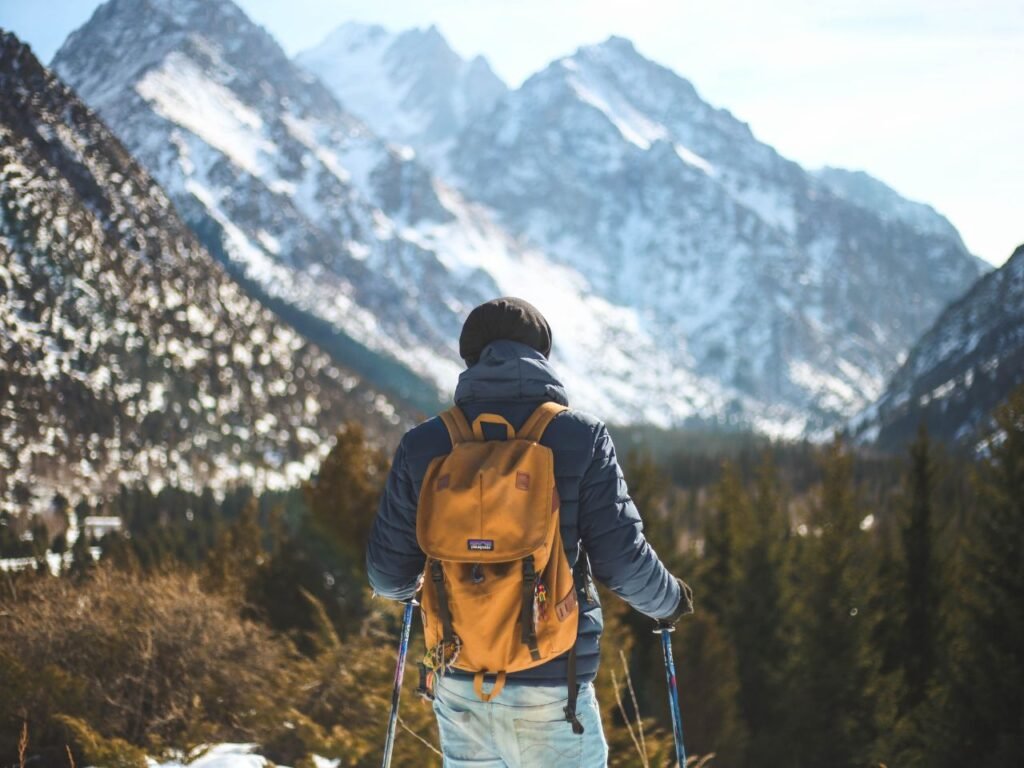
Does Hiking Cause Back Pain?
Absolutely, back pain can be caused by a myriad of different situations. Still, the most common cause would be carrying a backpack that is not properly adjusted to fit, causing it to sag to one side or another, or an improper walking technique, which, over time, will put extreme stress on your feet, calves, and back.
Injuries you might have incurred before your hike can worsen depending on how much strain you put on the affected muscle groups, or even bones, fractures becoming full breaks, pulled muscles becoming torn, and any other painful maladies getting exacerbated.
What Types of Back Pain Do You Usually Get When Hiking?
The two major types of back pain are upper and lower back pain, and the way you get them is primarily determined by the actions you take that put stress on those areas of your back. Appropriate planning and weight distribution can help mitigate the risk of these injuries.
1. Upper Back
In most scenarios, an upper back pack is a direct cause of poor walking form or a backpack that constantly sways with every step, leading your core muscles to activate more often than necessary and eventually causing muscle fatigue, soreness, and even direct damage in some situations.
The easiest way to combat this would be to take time to ensure your backpack fits you appropriately, measure the distance on the shoulder straps to prevent it from swaying or hanging too low, and finally ensure that the backpack itself isn’t too heavy for you to carry comfortably, or more importantly, that it doesn’t cause you to use poor walking form. (think hunching over, awkwardly leaning to one side, or needing you to counterbalance for the entirety of a hike constantly.)
2. Lower Back
There are some overlapping reasons why you might get lower back pain whilst hiking. Still, the vast majority here is directly caused by carrying too much, for too long. A good rule of thumb is that your backpack should never weigh more than about 20% of your body weight, because anything more than that compresses your spine and muscles, increasing your risk of injury in the long run.
You would also be wise to consider the kind of trail you are on and gauge whether the incline or decline of the path you are taking could add stress to your back by forcing you to engage certain muscle groups for extended periods to help counterbalance the weight of the backpack.
This particular scenario also raises the question of how safely you can navigate a trail, with accidents a definite possibility: a single stumble over a rock, stump, or branch can cause the backpack to slam into you. In the event of a tumbling roll, this can happen multiple times, making whatever lesser injuries you incur far worse.
What Causes Back Pain While Hiking?
Assuming you don’t have pre-existing injuries that are getting agitated while you are on the trail, there are truthfully only five overhead reasons that can directly cause you back pain, with most of them being preventable with just a little bit of foresight and planning.
1. Using the Wrong Backpack
Using the wrong equipment is bound to cause issues for you in the long run, but a backpack that either isn’t equipped to provide the functionality you need on the trail or doesn’t fit you properly can be a disaster waiting to happen.
The perfect backpack not only fits your weight and height distribution, but isn’t filled to the rim with useless junk that can lead to overdoing it or to not being able to find critical items when you need them.
Before setting off on any hiking trek, you’d be incredibly wise to adjust the straps of your backpack so it doesn’t swing wildly over the course of your trip and is at a height that is both practical and safe.
2. The Terrain
Regardless of where you plan on hiking specifically, you’ll have to make note of not only the terrain you will be navigating, but the weather that you’ll be hiking in; both of these factors can cause more strain on your body inherently, but will make the hike itself more difficult to do depending on how prepared you are, or in some cases, aren’t.
Steeper terrains will cause more demand on your back and legs, potentially needing you to bring a trekking pole with you, which is a fantastic investment regardless of the terrain you plan on dealing with, because it lightens the strain on you by redistributing where the stress strikes your body the most, while also offering better balance on a multitude of surfaces.
3. Improper Posture
Poor posture can easily destroy your back and joints far before the effects of an overstuffed backpack ever get even to touch you, everything from a hunched walk, dragging feet, and odd hip swaying (which can sometimes be unavoidable if you have long-lasting injuries or major corrective surgeries). Still, all of these can cause you immense pain over the course of a hike.
If you have had surgeries, injuries, or other maladies that directly alter your mobility, you’ll need to bear this in mind and have a strategy to keep your hiking endeavors safe, be it some extra pain medicine should you experience a flare-up mid-stride, or even the same aforementioned trekking pole to help alleviate pressure from inflamed or damaged areas.
4. Weight of Your Backpack
We’ve briefly glossed over the topic above. Still, the weight of your backpack plays a pivotal role in how easily you’ll be able to navigate the trail and make your hiking adventure something you can enjoy rather than barely manage to struggle through.
The 20% Rule should be your compass rose as far as weight gauging is concerned, and it states that your backpack should never exceed more than 20% of your natural body weight, as anything higher than that can put immense strain on your body, inevitably leading to injuries or strains in the long run.
It’s also worth noting that your personal level of physical fitness can help define the limits of this weight preset. Someone who’s slightly out of shape might not be able to easily handle that same 20%, making it necessary to lighten that load even more, as your knees and back. Ankles can be under enough stress to begin with; this is especially true among people looking to use hiking as a weight-loss method.
5. Other Factors
Your level of hydration, how nutritious your snacks are, how physically fit you are, and finally general experience navigating winding or problematic trails can all put you at a higher risk of injuring your back, or anything else for that matter, so take some time to plan out meals and study the trail you plan on taking before launching your next adventure!
How Can You Deal With Back Pain During a Hike?
Preemptive planning makes for a much easier problem to overcome than reactionary adjustments, but if you are in the moment and are being absolutely destroyed by back pain, you do have a few choices you can make that will grant you some temporary relief, and mental notes to take to help prevent them from happening again on your next hike, it goes without saying but taking some pain medication is the easiest option on the fly. Still, we’ll focus more on actionable items than on consumable ones.
1. Stretch and Take a Break
Before even going on a hike or engaging in any physical activity, you’ll want to give your body the best framework you can to overcome the obstacles ahead easily, and to do that, you’ll want to adequately stretch before setting out.
Failure to warm up your muscles can cause them to strain as they push against where they’ve been resting for ages, especially for those of us with more sedentary jobs that don’t require us to move for hours at a time.
In the moment, however, if you suddenly experience back pain, the best course of action is to take your backpack off and do some easy stretches, ideally in a place where your clothing won’t get wet or soiled.
Some of the easier stretches include Knee-to-Chest, Cat-Cow, or even Child’s Pose, as they all take some of the stress off your back and engage the muscle groups most likely to be overstrained by the rigorous movements of hiking or worn down by your backpack’s weight.
2. Slow Your Pace
The phrase “Slow and Steady wins the race” is utilized for a reason, as going at a breakneck speed is not ideal. Still, unless you are attempting to break a personal speed record, you are short-changing yourself on the experience itself, and making it much more likely that you get injured, for almost no reason.
Engaging at a higher pace forces your body to endure larger bursts of stress and weight from your body weight, and your backpack constantly slamming down on your back muscles, never mind joints, knees, and other pivotal areas that are extremely likely to be damaged when under constant assault from overuse.
3. Practice Good Posture
Walking properly will prevent your body from having to awkwardly calibrate to maintain balance or deal with poorly distributed weight from your pack or uneven terrain. Unfortunately, even the best posture can be pushed to its limits when you are climbing steep areas or clambering up and over rocks or other such hurdles.
It’s for these reasons, and more, that a good posture combined with sufficient stretching can easily prevent a vast majority of back injuries that could occur on the trail, but it would be an unfair assessment to say that everyone knows what “good posture” is to begin with, especially when it comes to hiking, or better, hiking with a backpack.
If you aren’t sure about your posture or how your stride should look, there are a multitude of YouTube videos that can help you get your gait straight and navigate any trail like a pro. These tutorials are even better when used in tandem with proper heel-to-toe walking patterns, appropriately fitting shoes, and more.
4. Use Hiking Poles
Hiking poles, or in some circles, trekking poles, are largely the same thing, which both boil down to being elongated sticks that traditionally have adjustable heights and varied tips that can be placed into the ground at your own pace, granting enhanced stability and balance on terrain, and ultimately alleviating stress and strain from your back.
Investing in a good trekking pole if you are going to take hiking seriously is almost a no brainer, and while you can get most of these positive benefits from a simple stick, manufactured trekking poles offer creature comforts like comfortable grips, durable materials that prevent breakage, and adjustable tips that can be swapped out, allowing you to have a stable line of support in just about any terrain, or weather type.
5. Wear a Gym Belt
While you probably won’t be powerlifting in the great outdoors, you will certainly be attempting to lift more than your spirits while adventuring whatever trails you happen to find yourself exploring. This strain puts more than its fair share of weight on your back and spine, especially if your backpack has to push those limits on what you do (or at times don’t) need at your disposal.
The best solution to these problems would be to utilize a gym belt, at the very least hypothetically, as they promote core stability and prevent you from necessarily overstraining yourself over time with rapid, explosive lifting movements.
The trade-off comes when you understand how a gym belt actually works. While it does indeed give you a stronger core stability, it does so at the cost of actively engaging your core muscles, making you weaker over time, further, the belt itself will hinder your breathing ability, and lessens your mobility dramatically, so while in concept, it sounds like a good idea, you’ll probably want to skip out on wearing a gym built to your hike, as creative as it sounds.
6. Wear the Correct Type of Backpack
Despite most backpacks being perfectly capable of holding any number of items, with some backpacks boasting “hiker’s best friend” status and sporting more pockets than most people can even fathom, not all backpacks are actually designed for hiking.
The placement of the pockets, for example, can be a major point of contention, as they might tempt you to place heavier objects in areas that don’t allow even weight distribution, indirectly worsening your posture and putting you at risk of injury before you’ve even put anything inside them.
How the backpacks are made, or better, what materials they are made out of, can also play a pretty sizeable role in just how effective they are as a hiking backpack; for instance, if your pack happens to have several small metal bits or zippers, they are very likely to become heated. At the same time, you walk in the blazing sun, which can be annoying to touch in the best-case scenario or burn you or your bag in the worst-case scenario.
Speaking directly to the backpack’s material, certain fabric meshes and weaves are more durable than others and can better withstand elements, scrapes, and dings. If setting your bag down to rest puts you at risk of a puncture from a stray stick, you might want to invest in something a little more durable.
What Are Some Ways to Prevent Backpack Pain?
The most basic ways to prevent backpack pain are to stretch and actively assess both how fit you are and how heavy your backpack is, as knowing these three core facets will be most pertinent to preventing self-injury; anything else is a bonus perk.
1. Do Stretches Before the Hike
As noted above, stretching before any physical activity, hiking included, will have your muscles in the best shape they can be in for the strain you intend to put them under, and dramatically reduces the chances of overstraining a specific muscle group or suffering a cramp or other injury.
2. Know How Much Weight Your Body Can Handle
While most of this pertains directly to how in shape you are, everyone’s lifestyle and difficulties shape their personal scope of limitations differently, someone who hasn’t had a serious knee injury more than likely will be able to walk longer than someone who has, and someone who is slightly overweight will need to calibrate how long they can go before taking a break, and how long their resting intervals need to be.
The weight of your backpack ties into both of these situations seamlessly, because someone with a pre-existing injury will ideally want a lighter backpack to prevent that previous wound from being put under too much strain, just the same way that someone who is already at a challenging weight doesn’t need to put added strain on their back and knees, increasing their risk of injury more for literally no reason.
3. Pick an Easier Trail (Work Up to the One You Want)
If you happen to fit into either of those categories (past injury, or your body isn’t where you want it to be), your best course of action would be to start on novice trails that are often shorter or less physically demanding than longer or more winding ones, and make it your goal to work up to the requirements needed for more expansive trails.
You can always try your hand at the larger courses and gauge progress when you feel you cannot go further, but this obviously puts you at risk for passing out, becoming injured with help being far away, or in more remote locations, almost entirely inaccessible, with even phone reception being problematic (never mind battery consumption being a thing).
4. Wear the Correct Footwear
If we can understand that wearing a backpack that reduces strain on your back makes sense, then it only makes sense that wearing the right kind of footwear for a hike will not only reduce your chance of injury but also allow you quite literally to go the distance.
Let’s assume, for a moment, that you attempted to go on a hike whilst only wearing flip-flops. While you’d initially feel relief from having your toes and feet exposed to the open air, that joy will quickly fade into misery as poor foot stability and constant exposure to the elements begin to wear on you.
Everything from sticks, rocks, and insects plaguing your exposed feet to the strain of going over pointed rocks with little to no cushion stopping them from digging into your heels will convince you that solid footwear is the right course of action.
The best kind of footwear to bring with you on a hike offers heightened flexibility so that your foot can easily wrap around and over obstacles, but should also have strong grip and a weight reflective of keeping your center of gravity relatively manageable regardless of where your stopping position is (on a slope, for example).
5. Practice Good Posture
We won’t do a deep dive on posture again, but having a strong core whilst resting, walking, or climbing will help prevent most common injuries, especially on hikes that span several hours.
What Are Some Good Backpacks to Use for Hiking?
There are many wonderful tools that can help you with hiking, but as we mentioned earlier, finding a backpack that properly distributes weight is extremely important. Here are some good backpacks for you to choose from.
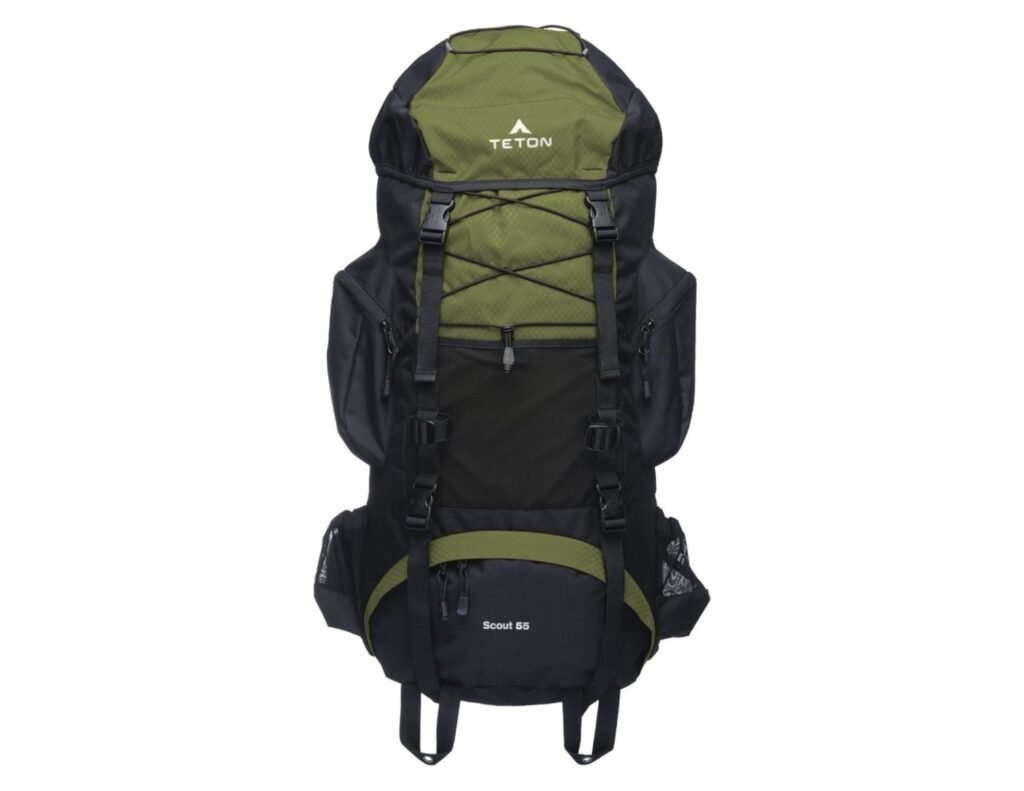
1. Teton 55L Scout Internal Frame Backpack
The Teton Scout offers a lot of unique benefits for hiking, with everything from a strong internal frame to help keep your center of balance lined up (remember the emphasis on posture) to a built-in rain cover that prevents you from getting drenched in sudden downpours.
This backpack will keep you going the distance, with a built-in bottle holder to keep you hydrated, water-resistant materials, and a cut-and-pierce-resistant polyester blend. It’s easy to see how this backpack is not only a great investment but one that can easily handle most hiking trails.
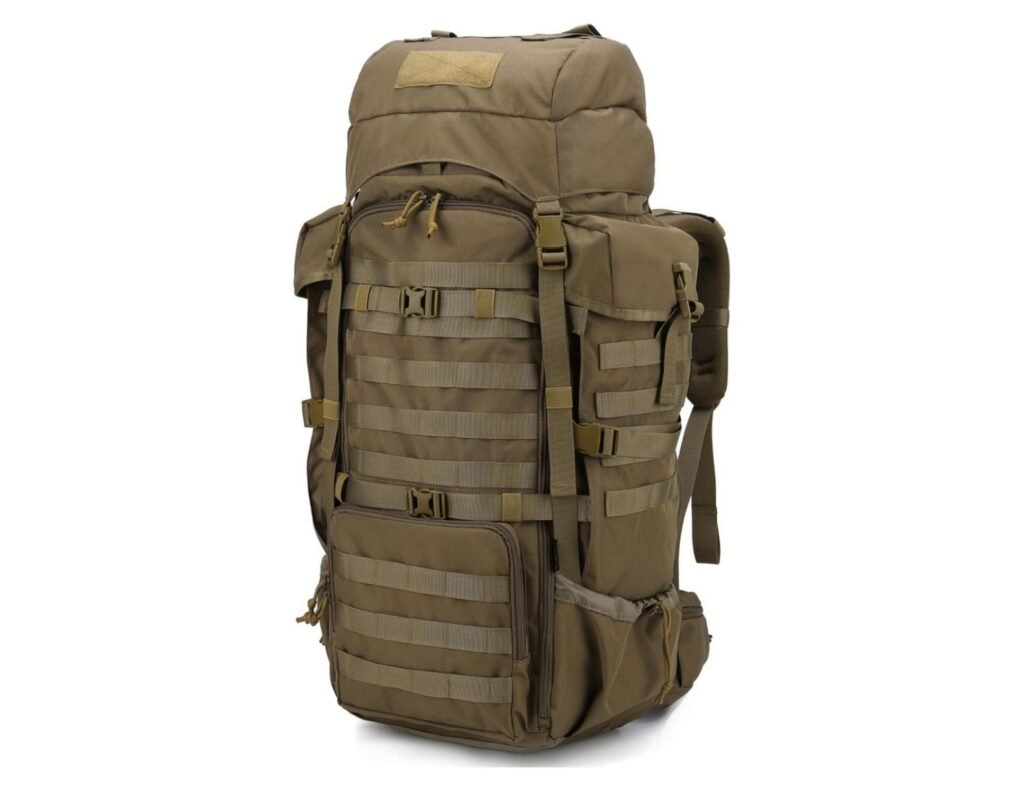
2. Mardingtop 70L Internal Frame Backpack
While Mardingtop forgoes on some of the color choice aesthetics offered by most hiking backpacks, it’s no-nonsense approach to design allows it to focus on what matters most, larger capacity, and durability, with utility woven into every inch of the bag itself, featuring the same rain cover, bottle holder, and rain cover (but not inherently rain resistant!), this bag is however extremely durable and built to last with a nylon polyester blend, keeping your internal contents safe.
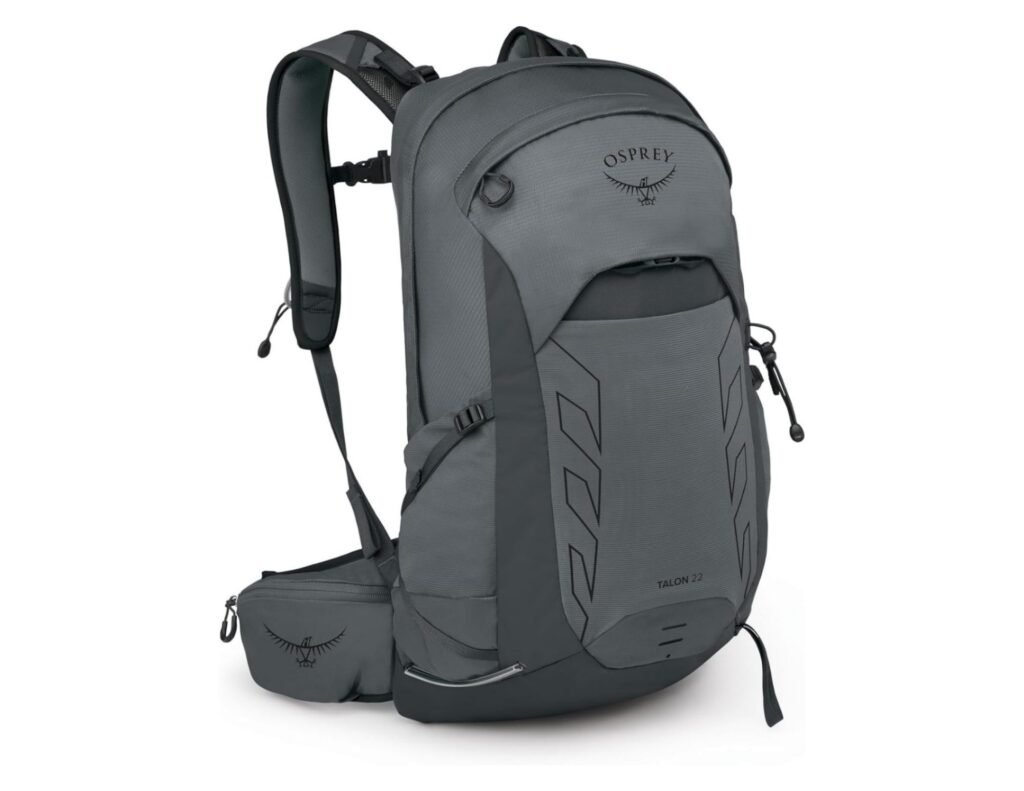
3. Osprey Talon 22L Men’s Lightweight Hiking Backpack
If the more heavy-duty style backpacks weren’t quite your speed, then Osprey’s got a design just for you: their sleek, streamlined backpack keeps everything you need within reach while maintaining a breezy, lightweight material. It’s easy to see how this pack can become one with your hiking routine.
Unlike most hiking backpacks, Osprey focused on a breathable material that helps keep sweat build-up to a minimum. Integrating a hydration unit as well, with as much utility as possible (a native stow-on-the-go trekking pole attachment being a prime example), the Talon variant also offers a litany of customizable sizes, ranging from a fanny pack to a pseudo-military-size trekking bag.
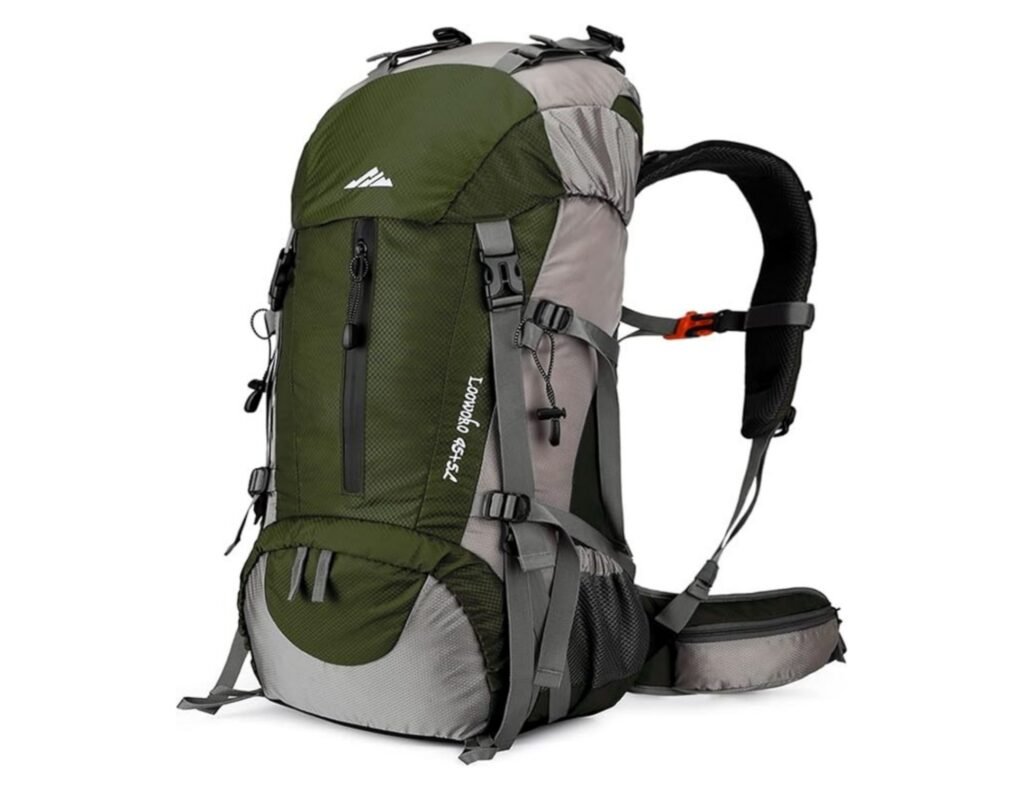
4. Loowoko 50L Hiking Backpack
Finally we end things with the Loowoko hiking pack, which is waterproof innately, but even more impressively it is a perfect hybrid of everything you’d like out of a hiking back, with certain creature comforts that would allow it to flex into a campers best friend, coming standard with rain covers, cut and tear resistance lining, and organizational compartments to keep your weight distribution in line with good posture, you’re bound to find success with this bag.
Unlike some of the other ones listed here, the Loowoko is also the cheapest option here, making it a fantastic starter bag to get a feel for what you need at a minimum, or gauge what you specifically would like to expand upon later, without feeling like you’ve sunk a small fortune into the first investment.
Final Thoughts
If you want to avoid hurting your back while hiking, you’ll need to focus on proper posture, a good warm-up routine, and a well-balanced pack that holds your essentials without destroying your physical health. Keep all of this in mind. Your next hiking adventure is sure to leave you feeling refreshed and stronger when you get home (possibly a little sore from success!)