

As a fledgling to any physically intensive sport or activity, you’ll want to understand how to navigate unfamiliar waters (pun intended) with a certain level of grace, but with more emphasis on stability.
To that end, you will want to focus on exercises that will innately improve your sense of balance, overall endurance, general strength, and, finally, how flexible you can be, as rowing in itself can be quite demanding to those who aren’t keen on keeping themselves as limber as possible.
Why Should You Exercise Before Canoeing?
Avoiding injury would be the primary reason why anyone should get a good warm-up in before physical activities. Failure to do so may set you up for defeat, injury, or particularly nasty incidents, including hospital visits.
Assuming for a moment someone didn’t value getting a warm-up in. In that case, that person might be more likely to pull a muscle, strain a tendon, or lack the flexibility and reach they are accustomed to, making them more likely to struggle with paddling, making a return trip much more fatiguing. It can also make it to shore for help when you need it most, more dangerous, for essentially no reason.
Pushing past the negatives, there are a myriad of different boons you gain by taking the time to get yourself into peak condition before jumping into your canoe. For starters, you’ll have the benefits of increased blood flow, which essentially makes muscles more malleable, less likely to get injured, and allows your muscles to get more oxygen. This is imperative as they require oxygen to function normally, and expend it faster as the exercise becomes more exhausting.
One final tidbit regarding the benefits of doing a few stretches and warm-ups before hitting the water would be the increased range of motion you’ll see. Also, the innate ability to reduce muscle fatigue, stress, and pain after your canoe trip, prepping in this way allows your body ample time to perform at its peak level. More importantly, a benefit of exercising before canoeing is to help safeguard yourself when you need to relax and recover, all things in moderation.
Why Aren’t the Warm-Ups Ups Helping?
There are a few factors that can be considered when asking that question. For one, which activities were you engaging in before, and how rigorous were they? If the exercises you are doing don’t engage core muscle groups utilized in canoeing, then it stands to reason you won’t be reaping any benefits performance-wise.
Alternatively, suppose the exercises you chose are a little too strenuous. In that case, you’ll be blowing through much-needed energy that would have been better expended on the task you intended to do. As such, you could find yourself suffering from your pacing.
Best Exercises for a Beginner Canoeist
The best exercises you can partake in will challenge the same muscle groups you intend on using whilst canoeing, among them your core, back, arms, and shoulders will be ranking highest. All of these muscles are used in either rowing, stabilizing yourself, or maneuvering yourself to get more visibility on what is going around you, whilst keeping momentum.
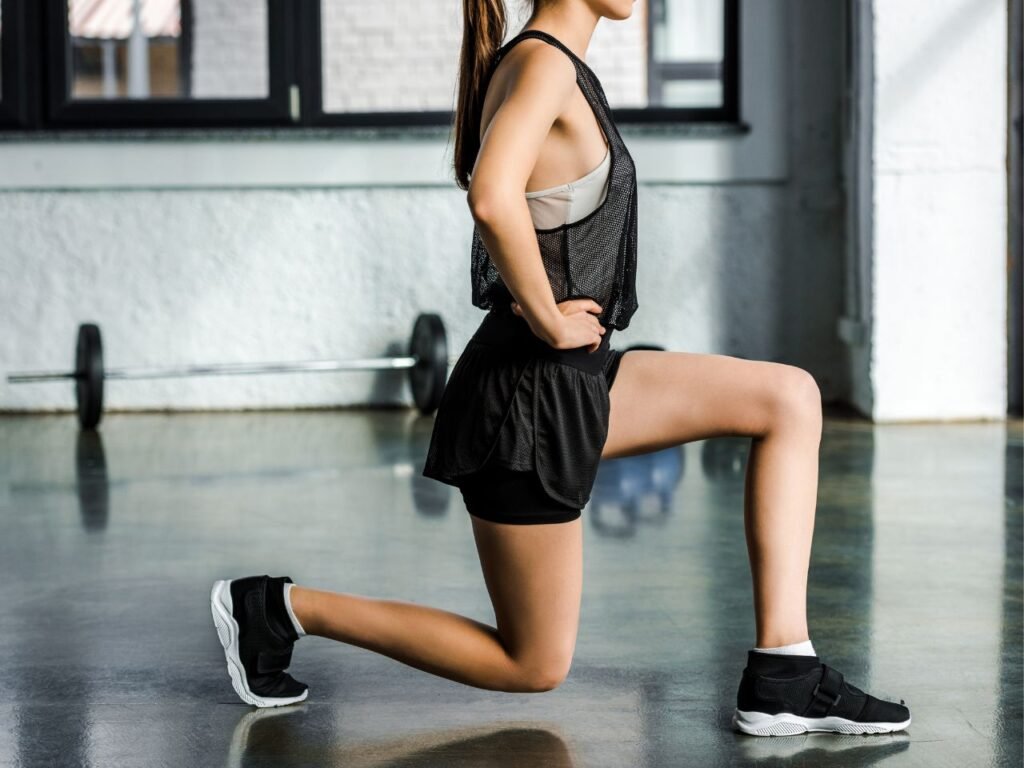
1. Lunges
Leading with your best foot forward, lunges allow you to focus on leg control and the strength required to work in tandem whilst alternating your rowing. In a perfect world, you’d be looking to do about three sets of 10-15 reps each, but not everyone is capable of that, especially at an introductory level. If that happens to be you, consider working your way up to that maximum, pacing yourself to meet the minimum requirement.
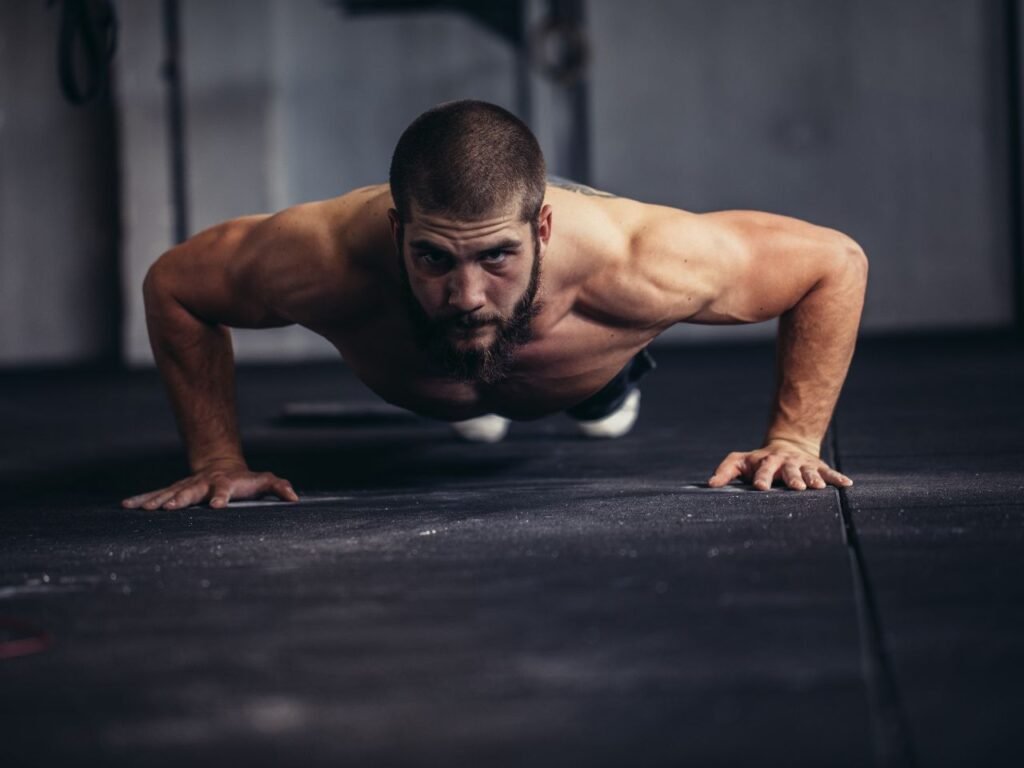
2. Push-Ups
Very few exercise regimens can sneak by without paying homage to the time-honored classic workout, push-ups. This timeless exercise puts a hefty amount of investment in both your chest and arms, which are vital for making your paddling efforts as seamless as possible, and giving you a very nice amount of muscle endurance if you are consistent about it.
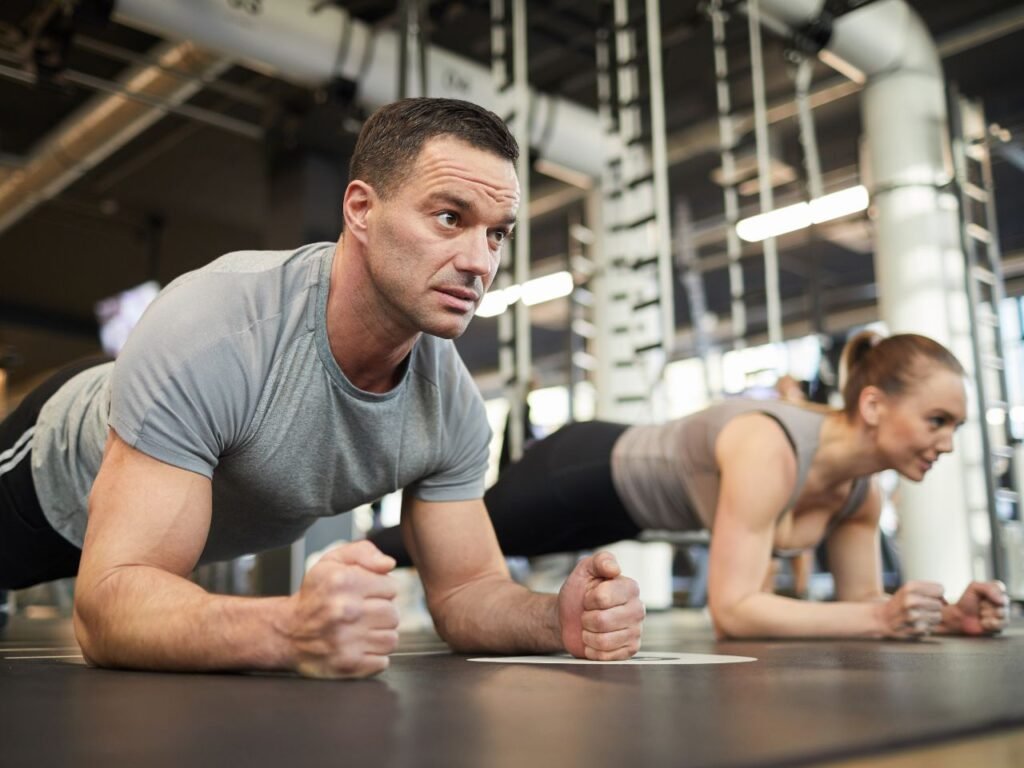
3. Planks
Building yourself anew from the ground up is a tiring process. You can seek refuge in the support you’ll find with this wondrous exercise. Planking might sound simple enough at a base level, but the benefits you get from doing it are immense. It engages your core, gives you mastery over balance, and is a workout that shows results, directly correlating to raw performance while canoeing.
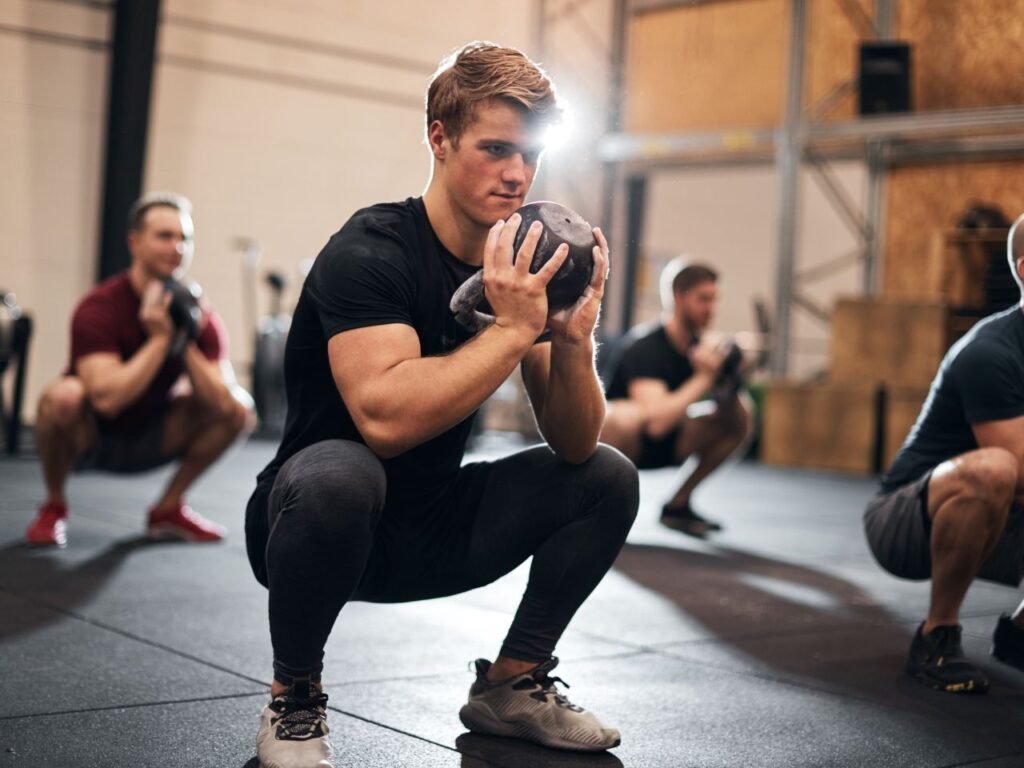
4. Squats
In truth, both squats and lunges serve the same purpose, and can be equally exchanged, but should still be done together (no skipping leg day!)
If you are struggling with them, treat them in the same regard as the lunges, working up to that same three sets of 10-15 reps to eventually settle into a very nice routine.
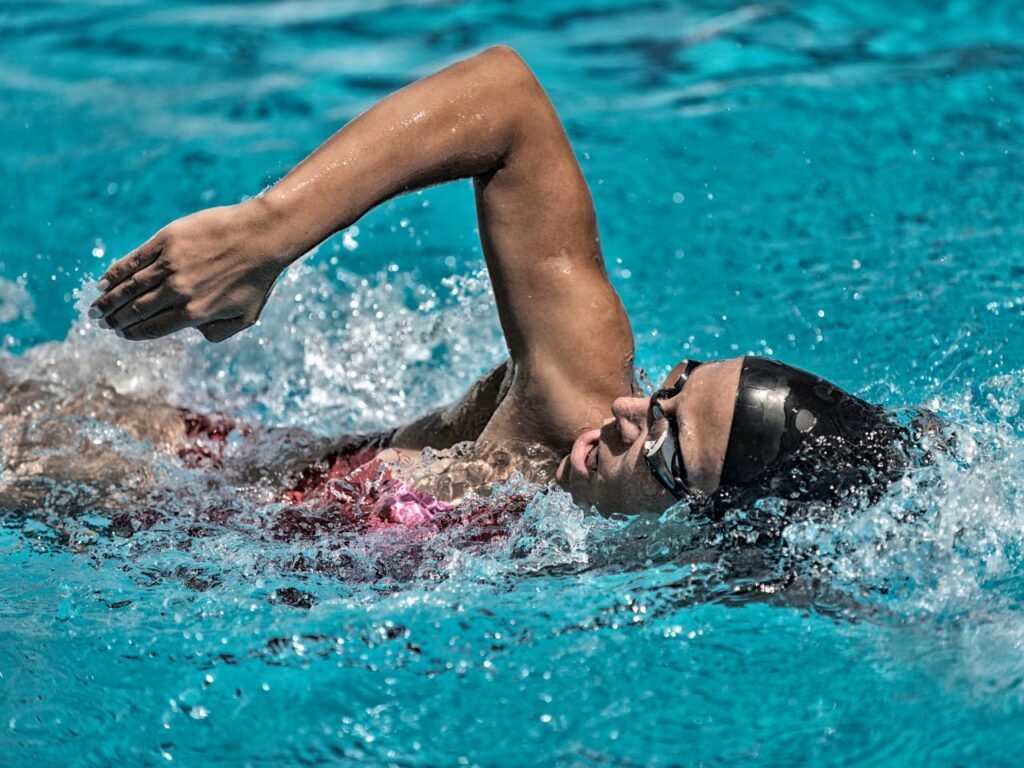
5. Swimming
While everything above can make canoeing an easier, more enjoyable sport to engage in, few things hit every possible metric of utility like swimming. For starters, you’ll be engaging just about every muscle group used while canoeing, which is truthfully motivation enough to do them. Still, then you get the additive benefits of having a solid cardio workout, which some people struggle with, so if running isn’t exactly your jam, embrace your inner dolphin and let yourself swim free.
The icing on the cake here comes in the form of safety, assuming the worst happens and your canoe flips. In this case, you may find yourself in a vast, often deep area of water, where treading or walking in the water itself isn’t an option. Being a talented swimmer will not only let you remain safe in the water, but you’ll likely learn core methods of keeping yourself afloat to get yourself sorted before worrying about flipping your canoe, getting back in it, or retrieving things you may have lost.
What to Consider Before Working Out?
Having the thought process to drop everything you are doing after reading this, and jump right into a chosen workout is a notable pursuit. It is better to put thought into it before mindlessly burning energy, especially if you want specific goals to be achieved, or work on problematic areas in your physical fitness that might limit your ability to go canoeing.
While raw passion will undoubtedly take you far, you’ll need to be mindful of your current fitness level, your physical needs, and whether your muscles need a rest. Failure to do any of these could lead to needless injury.
1. Make Sure You Are Consistent
When it comes to physical fitness, nothing echoes success like consistency, having a routine, keeping up with it, alternating when things begin getting a little too easy, are all things you’ll need to be aware of as you start formulating a proper workout plan to keep yourself at the height of your performance capabilities. If you aren’t chasing apex performance, smaller, more consistent workouts can help get your body into a place where those dreams and aspirations are more attainable, which means the same statement remains true.
2. Start Slow
Pacing is critical in all stages of your fitness journey. Suppose you weren’t very physically active before. In that case, you can end up hurting yourself by jumping the gun and attempting to push your limits every day, especially if you don’t respect things like rest days, a healthy diet, and remaining hydrated.
3. Listen to Your Body
Nobody knows you quite as well as you know yourself. Your body has a very unique way of letting you know your individual needs depending on the situation, slight pangs of pain, struggling to breathe when you’ve only put minimal effort, dark urine, or extreme dry mouth, even muscle cramps, can all be warning signs that your body is ebbing into your mind that you need to pay attention to, while these are all denoting specific needs, with muscle pains potentially showing muscle strain, or dark urine being a sign of dehydration, they are all signs, and should be acted upon.
Hypothetically speaking, if you find yourself noticing these odd little bodily warning signs and they don’t go away after a few hours, it might be worth getting yourself evaluated by a doctor, which also leads to getting yourself checked out before starting your new hobby.
Consider What Paddling Goals You Might Have
Setting a concrete goal will give you something to work hard for, allowing you to meet your own challenges eye to eye, and allowing you to set grander ones when you inevitably surpass them, the overwhelming sense of accomplishment given by beating your own goals, pushing passed your limits and evolving as a better, stronger you, is something few experiences in life can imitate, and as such are worth to chase after.
Final Thoughts
Knowing where your body is at performance wise before setting forward on this journey is critical for finding success, and having the ability to swim ensures even if you are horrible at it, you’ll be able to take your time and learn how to become good at it, safety, good health, and strong consistency in workouts will make you a success in no time.