
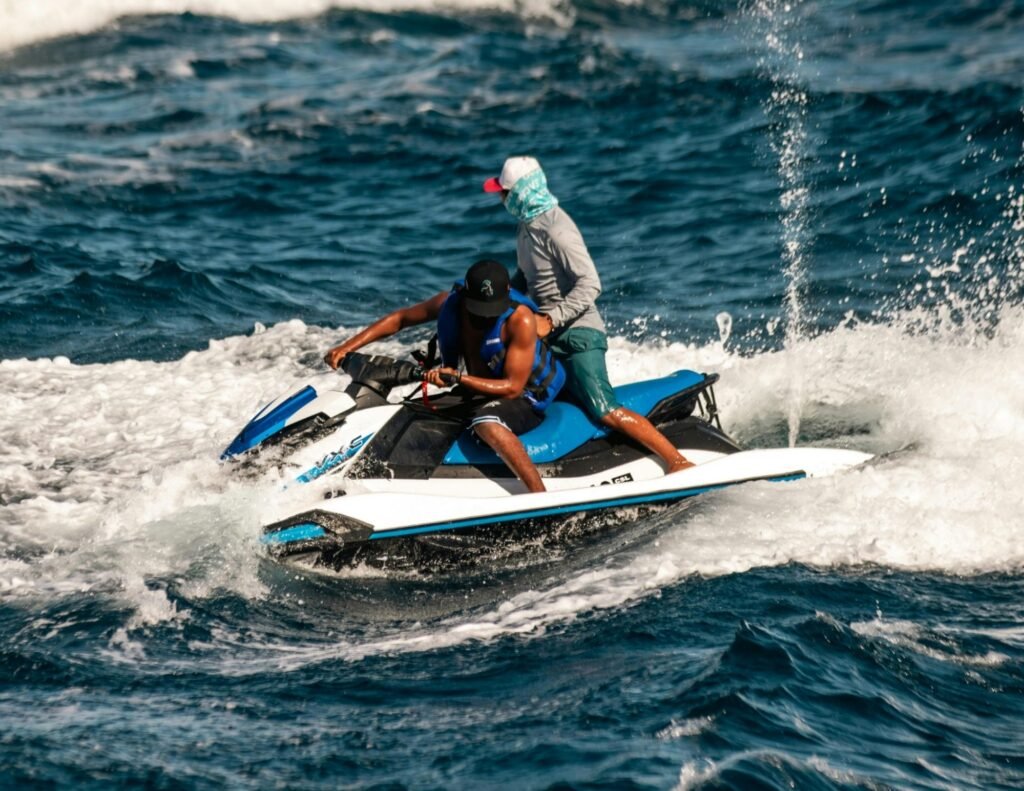
One of the most common sayings you might hear is that knowing first aid saves lives. However, sometimes you might be doing something that may not seem very risky. In the case of jet skiing, one might consider it fun and exciting, which it very much is!
However, even the best of jet skiers might get themselves into trouble, whether it is intentional or not. In this case, you might want to consider knowing first aid, but is it truly necessary, especially if you are not a risk-taker?
Knowing first aid is extremely important when jet skiing because accidents can happen quickly, especially since a jet ski is a fast, small boat. Knowing first aid can also reduce the severity of the accident. It enhances safety for the rider and others who may be in the water as well.
One day, you might find yourself or someone else in dire need. For example, if you see an accident happen before your very eyes, you could be the one to administer first aid to someone while the paramedics come.
In this article, we will go into more depth on the basic first aid practices you need to know. However, we are not a professional company, so if you want specific first aid training, we recommend working with a reputable provider, such as the American Heart Association (AHA) or the National Safety Council (NSC). With that being said, let us continue on for more information.
What Are the Basics of First Aid You Should Know?
There are many basic first-aid practices you should know. In an ideal world, it would be best to know all of the topics mentioned below and more, but if you are not planning to become a professional, it might not be necessary. Even so, if you witness an accident, administering first aid might be that person’s best chance of survival or of getting the help they need.
The basics you should know about are as follows:
- How to treat a burn
- How to treat cuts and scrapes
- How to manage sprains
- Performing CPR
- Learning how to use a Heimlich maneuver
Even so, we should go a bit more in-depth about what we are discussing.
1. How to Treat Burns
Although you might not think a burn is common while jet skiing, it can occur when you are exposed to the sun for too long or if your skin gets friction between your skin and the jet ski’s ropes or handles. In this case, you may need help treating the burn. You can do this by doing the following:
Cooling the Burn
We recommend using cool (not cold) water and allowing it to run over the burn for 10 minutes, especially if you have access to clean, fresh water. If you are in the ocean, avoid salt water, as it can irritate your skin or worsen your injury.
After it has cooled, make sure to cover the burn with a clean, loose bandage. Doing so protects the area and helps prevent it from getting infected.
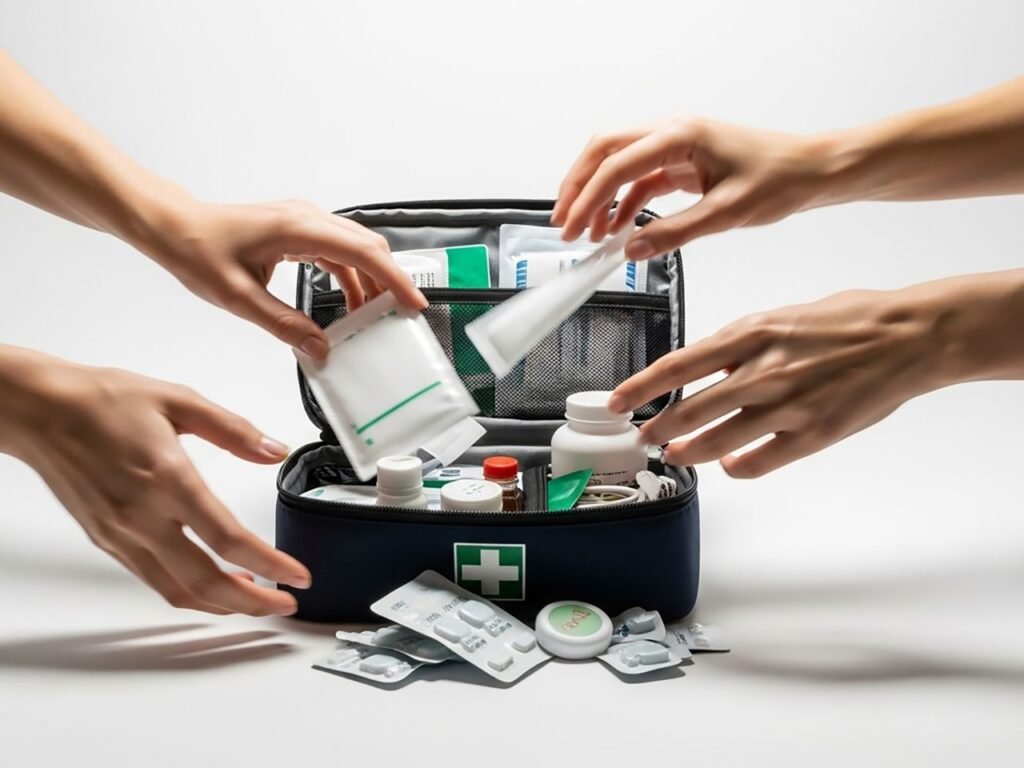
Lastly, if needed, take some pain relievers. If you already have a first aid kit, you may have a few pain relievers on hand. We also recommend getting a waterproof first aid kit to ensure everything stays dry.
Preventative Measures
In addition to cooling the burn, some preventive measures include wearing protective gear, like gloves to protect your hands from friction, or light, waterproof clothing to shield your skin from sun exposure and friction.
Lastly, make sure you apply high-quality sunscreen to protect your skin from UV rays. Make sure to reapply it regularly rather than applying it once and forgetting about it.
2. How to Treat Cuts and Scrapes
When treating a cut or scrape, especially if you are near sandy water, there may be a couple of extra steps you need to take. However, it might be no different than if you are out hiking and dirt or debris gets into it.
Even still, when treating a cut or scrape, it is important to rinse the wound as best as you can. This will need to be used with clean water. Lastly, to prevent infection, we recommend using mild soap, so make sure to bring a small bottle with you just in case. Plus, if you do not have access to a bathroom with soap, you already have some in your bag!
After cleaning, put antiseptic ointment on the wound. This further helps prevent infection and promotes healing.
Once that is applied, put a sterile, non-adherent bandage on to prevent it from sticking to the wound. Make sure you change the bandage every so often to keep the area clean.
Lastly, monitor it to ensure that no infections occur. If you notice pus, swelling, or redness, then it is wise to seek medical attention.
Preventative Measures
Having a cut or scrape might not always be preventable, especially since small accidents happen, like you scrape your knee on something sharp. However, it is important to wear protective gear, such as a wetsuit or non-slip water shoes.
We also recommend avoiding obstacles such as rocks, buoys, large floating logs, and other sharp objects that might be in the way. Lastly, it is important to watch your surroundings and not get too cocky while on the water.
3. How to Manage Sprains
The best thing you can do when gaining a sprain is seek medical treatment. However, being out on the water, that is not always an immediate option. Because of this, it is important to know how you should manage a sprain.
When you have a sprain, it is important to follow the RICE approach as much as possible. This is recommended by first aid professionals, which stands for the following:
- Rest
- Ice
- Compress
- Elevate
Rest
If you do not absolutely need to use the injured joint, it is important to rest it as much as possible. In a dire situation, consider finding something to help you walk so you can take some of the pressure off your foot.
Ice
If you brought a cooler with you, we recommend applying some of the ice to the injured area as quickly as possible. This will reduce swelling. Once you are back in a safe location, apply ice to it every 20 to 30 minutes using a dry cloth or towel.
Compression
Consider getting a wrap or bandage to compress the injured area. Make sure it is wrapped tight enough to allow the pressure to compress the area, but not so tight that the area becomes tingly or injured.
Elevate
Having the injured area elevated will relieve a lot of pressure off it and eventually reduce the swelling. We recommend elevating it for at least 2 or 3 hours each day. If it continues to feel numb or tingly after a while, consult a doctor on what to do next.
4. Performing CPR
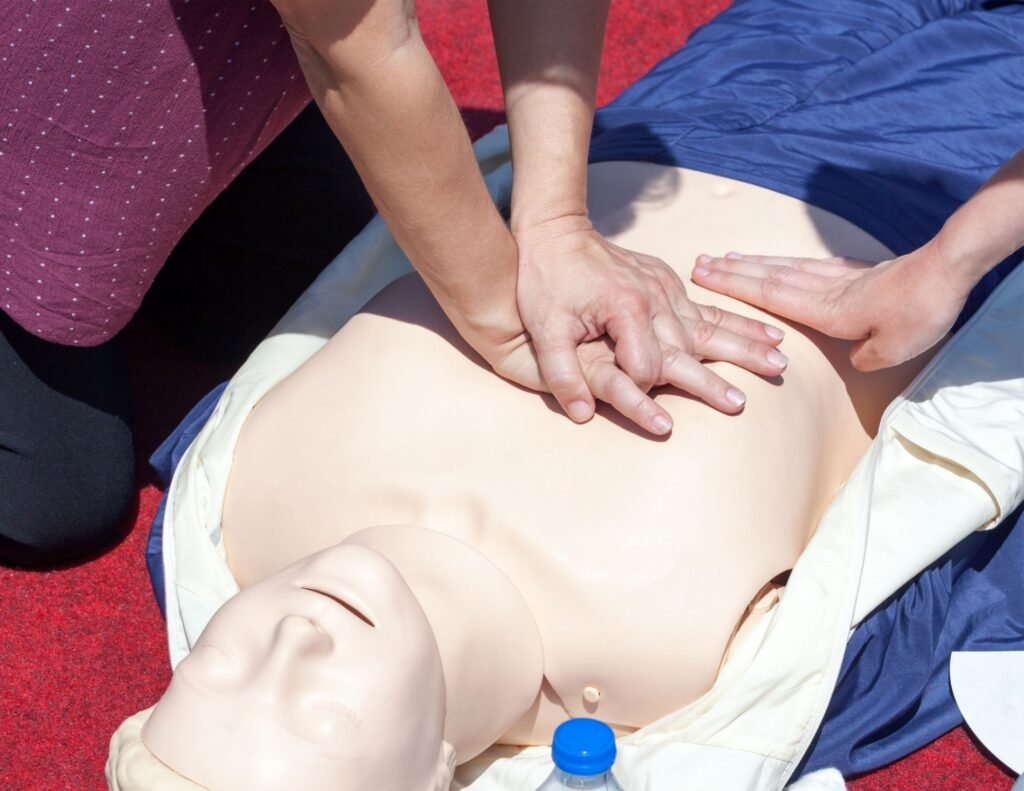
Although we will not go over the specifics on performing CPR (cardiopulmonary resuscitation), having the knowledge to do so could save a life! Immediately applying CPR will help maintain blood flow to the body’s vital organs, especially the brain, and you can continue until professional help arrives.
Knowing CPR is a life-saving skill everyone should have. You can get CPR training through reputable sources like the Red Cross or the AHA.
5. Learn How to Do the Heimlich Maneuver
A Heimlich maneuver is a first-aid technique to help someone who is choking. It applies a sudden upward pressure that forces the large or foreign object out of the airways.
You will lean the person forward slightly and stand behind them, then make a fist with one hand (the hand that will go on the top of their stomachs, below the center of their rib cage).
Afterward, you will put your arms around the person and grasp your fist with the other hand. You will then make a quick, hard movement, inward and upward.
Again, we are not professionals, so it is best to receive training from a certified professional.
What Are Some Key Principles to Know During First Aid?
Before doing anything first-aid related, there are a few things you should know.
1. Remain Calm
Suppose you do not like blood, and it makes you feel a certain way or uneasy. In this case, it is important to overcome that and remain calm while performing any first aid. To do this, we recommend taking several deep breaths to help you regain control of your body.
On top of this, it is important to step back and do what is needed to ensure the other person receives the care they need at this time. It is also important to practice first aid regularly to ensure you have a good idea of what to do if push comes to shove.
2. Prioritize Care
When an emergency arises, it is important to prioritize the needs of the person needing help. Regularly check the victim’s condition and make sure there are no signs of shock. You can also comfort the victim and provide reassurance.
3. Call for Help
One of the very first things to do during an emergency situation is to call for help. This can be done by yelling for someone else to call 911 (or another emergency line if you are in another country), or by calling and putting them on speakerphone (if possible) so you can communicate with the dispatcher about what is going on and where you are.
Other Safety Knowledge to Know Before Jet Skiing
Aside from first aid, there are some safety considerations to keep in mind before jet skiing. Let us review them below.
1. Keep a Safe Distance From Others
It is important to keep a safe distance from others for multiple reasons, but the biggest reason is for others’ safety, more specifically, swimmers. Another reason to stay clear of others is that your jet ski creates waves. We recommend keeping at least 3 meters away from other people or boats to prevent anything serious from happening. This is especially true if you have someone who has a diver’s or alpha flag out.
2. Understand Local Laws and Regulations
Before entering the water, it is extremely important to know the local laws and regulations. For example, if you live in an area where you know the rules and regulations, odds are, another country or area might have different ones.
3. Know How to Swim
If an accident ever occurs, it is important that you know how to swim and to swim well. If you are not the greatest swimmer, there are many local areas where you can go to practice to ensure you get better over time. Learning how to swim can also save your (or someone else’s) life as well!
4. Keep a Life Jacket on at All Times
Suppose you already know how to swim and feel like you do not need a life jacket. However, wearing a PFD (personal floating device) can literally be your lifesaver! This is especially true if you unexpectedly run into hazards.
5. Remember to Wear a Helmet
Although wearing a helmet might not seem like a big deal at the time, it can help protect you from injuries and impacts in an accident. You never know if your jet ski may collide with another object. On top of this, sometimes, if your head hits the water, the impact can be severe and potentially cause permanent damage to that part of your body.
Final Thoughts
To sum it up, yes, it is extremely important to learn first aid before jet skiing. There are many classes you can take online or in person to ensure you gain the knowledge you need so that you and whoever you may be with are safe. On top of this, having a waterproof first aid kit is a must on your journey because you never know what may happen.
Overall, we hope this article was helpful for you! If you have any more questions, we recommend checking out our other first aid or adventure articles. We are here for your everyday questions and needs!