
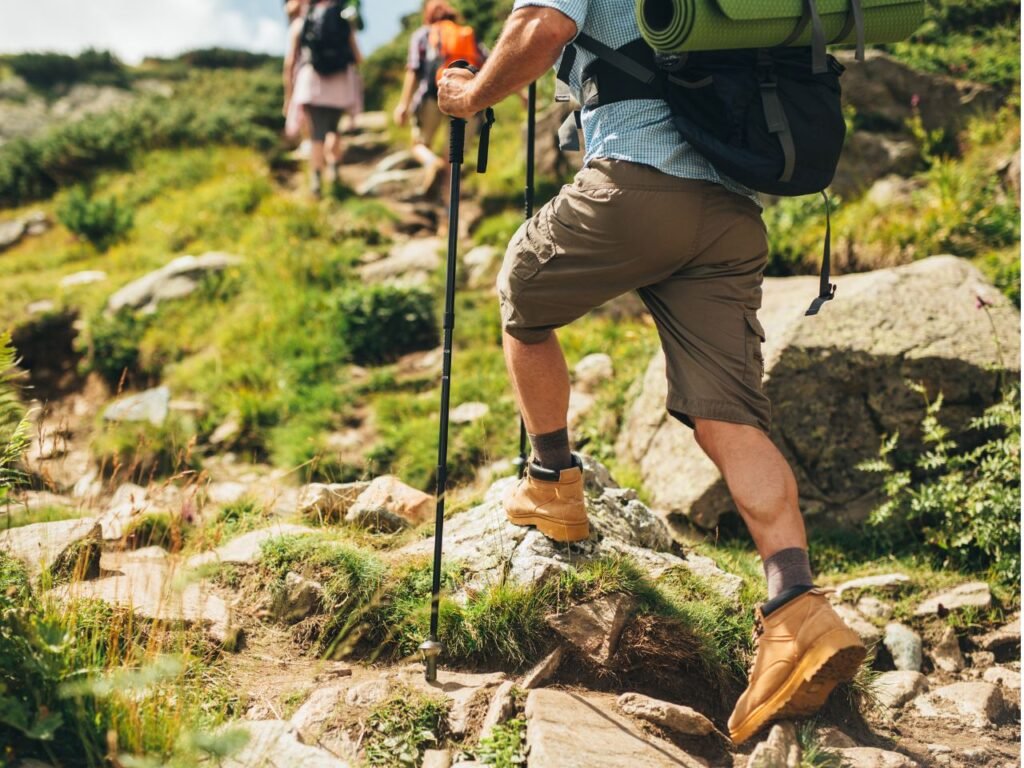
Every experienced hiker worth their salt knows that one of the most important aspects of any successful and safe trip is to make sure you are adequately prepared.
This could be both mentally and physically for the journey ahead. While this can have many different meanings for many people, it usually boils down to bringing the right gear and being able to make the journey.
Hiking can hurt your hips, whether you’re an advanced or beginner hiker. This could be due to several factors, such as the type of gear you have, your physicality, and more. Even still, there are some preventive measures you can take to help you remain pain-free as much as possible.
While everyone needs to begin their personal journey somewhere, when you are just starting out hiking, you will want to be careful and plan trips you can actually complete. This means you will not overexert yourself, and you will be well prepared with water and snacks, depending on the length of the journey.
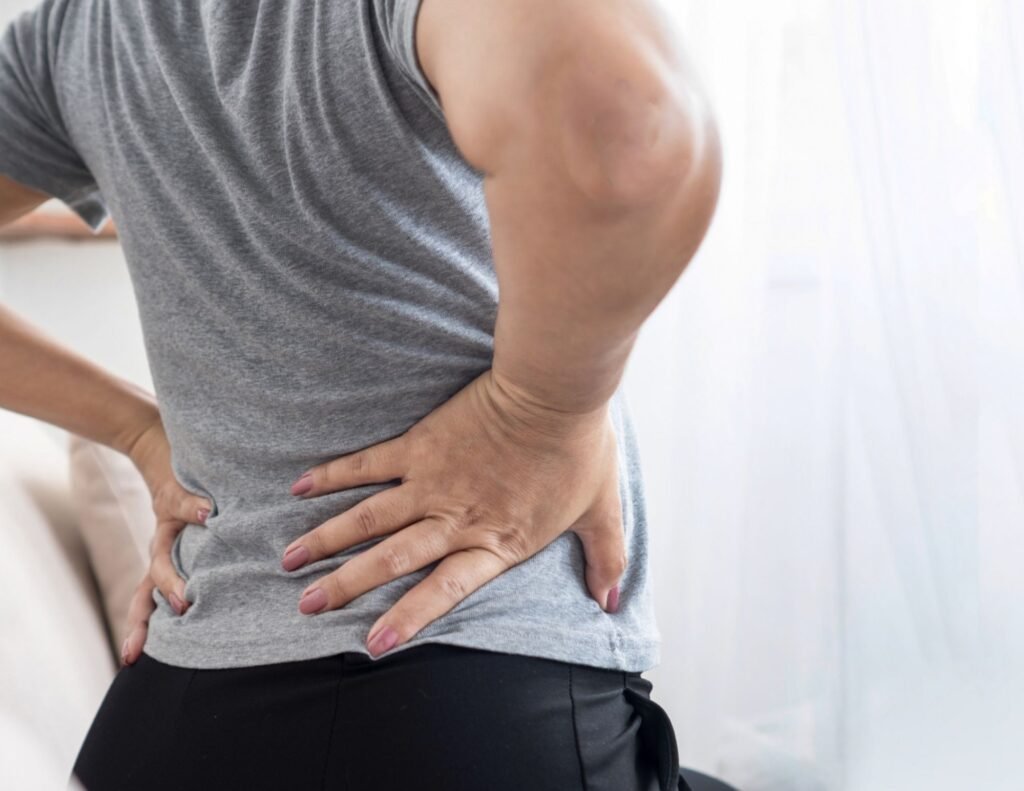
Do Your Hips Hurt After Hiking?
While having hip pain isn’t necessarily the expectation for everyone when they go hiking, both newcomers and veterans of the activity can expect to feel something, especially if they are pushing their personal limits or attempting it for the first time.
Newcomers may experience hip pain from using muscle groups they haven’t used in a while, and veterans can likely get pangs while walking down familiar trails due to personal factors (old injuries, overpacking, or even an awkward/imbalanced stride).
Regardless of who or how, the possibility is there. While a good stretch, limiting the gear you carry, and staying hydrated can work wonders, it is definitely possible. Still, we’ll go over some ways to avoid or reduce hip pain below, depending on your situation.
What Are the Common Causes of Hip Pain?
Technically speaking, most hip pain is either caused by overexertion due to the weight you put on your hips and, by association, a manner of walking that forces your body to overcompensate, thus giving you pain over time, or by sleeping funny.
1. Overpronation
You’ll be forgiven if you are unfamiliar with the term itself; in a word, to pronate is essentially having your gait be defined as leaning inward or outward, with pronation being an inclination for having your feet go more inward, and the opposite being called supination.
Heavily leaning inwards is problematic for you in the long run, and constantly doing so, with the added weight of gear and the added challenge of navigating hills, rocks, and steep climbs, will only agitate the situation, eventually causing you to become either incredibly imbalanced or straight up injure yourself as time goes on.
The extent of the injuries that you receive can be minimal, assuming you catch it in time, or downright agonizing if you go through an entire hike like that, worse if you’ve been doing it for quite some time, and assume the pain was from you putting forth effort, and not walking incorrectly.
On a more base level, you might be asking yourself how someone would even be able to tell if their stride has them favouring one side over another, or how to tell if they are walking “correctly”, which is an amazing question, the easiest way is to look at the bottoms of your shoes, as they not only tell the kind of walker you are, but if the shoes are older, you’ll get a much more detailed view.
If you are an overpronated walker, the inside of your shoe soles will be worn down, showing clear favoritism, and allowing you to diagnose yourself then and there. Fixing the problem might not be as easy as it will require you to break habits that may have taken a lifetime to form. Still, at the very least, you’ll have a better idea of why your hips hurt after simple walks and hikes!
2. Thin Sleeping Bags
Sleeping on the floor is viewed as a good way to relieve back pain and get additional support, depending on where you are from. Still, the posture you adopt in sleep, as well as how often you toss and turn throughout the night, can significantly affect your body and the amount of rest you actually get.
Hypothetically speaking, if you are someone with regular hip pain, or have had major surgeries to either replace your hip entirely, or fix muscle in the area, you may want to invest in things like inflatable mattresses and other accessories that lighten the load on your hips, and allow you to rest more soundly, as this will alleviate some of the wear and tear you got from your hike, and let you bounce back the next day.
Hauling around a small mattress isn’t ideal for everyone, and admittedly if you are enduring regular hip pain, adding more weight to your pack certainly isn’t a solution in the first place, so smaller adjustments like placing a pillow between your knees, or carving small divots for your hips to rest when laying down can give you some much needed relief when done properly.
One final thing to note would be that side sleepers can suffer immensely when it comes time to bed down, as you are putting even more pressure on your hips, and then keeping that pressure there overnight, making the pillow between the hips method slightly better, but attempting to train yourself to sleep on your back is invaluable for truly experiencing relief.
3. Tendinopathy
Ah, yes, perhaps another word that some of us may not have heard of, thankfully enough, the most simplistic breakdown of this would be acute tearing of muscles near gluteal tendons that attach to the femur just outside your hip, but what’s more important is how this happens. Yet again, the simple breakdown of that would be carrying too much gear for too long a period of time.
Hurray for simplistic breakdowns! All jokes aside, the amount of gear you carry with you in your backpack is bound to put an additional toll on your body, so lightening the load can help, but truthfully, it just isn’t an option sometimes, so you are left with a handful of choices.
On the one hand, you can attempt to recruit more friends or family, and help evenly distribute the load to give you not only a better journey, but some quality time with the people you care about, or you can utilize things like walking sticks and better pacing to help ease the problems before they wear you down.
The best thing you can do to alleviate the pain altogether is just strengthening your hip muscles through routine exercise. Yes, you can truthfully decide to get so strong that you overcome whatever pain you might be enduring, primarily because additional muscle will better support heavier loads or improve endurance for the same loads, easing pain and making gains!
4. You Chose the Wrong Backpack
Perhaps one of the easiest fixes here, getting the wrong backpack, or more aptly, wearing your backpack wrong, will cause an extreme amount of imbalance in you, and the constant swaying of the weight due to uneven distribution will inevitably wear on your muscles, causing pain in the long run.
Checking how your backpack fits, both normally and loaded with everything you’ll need for your hike, will allow you to adjust your straps to prevent you from favoring one side or another as you walk, helping you avoid injury in real time.
If you’ve got a strong sense of balance, adjusting your straps, taking a few steps, measuring, or gauging how you walk will be enough to tell you how to fix this. Alternatively, ask someone to watch you, and help diagnose if you are leaning to one side or another.
How Can You Prevent Hip Pain?
Preventing hip pain is a much easier journey than fixing it after you are already experiencing it, especially if the issue itself has been going on for years. Thankfully enough, there are plenty of options and alternatives to help you escape this proverbial slump and keep from shambling around in agony.
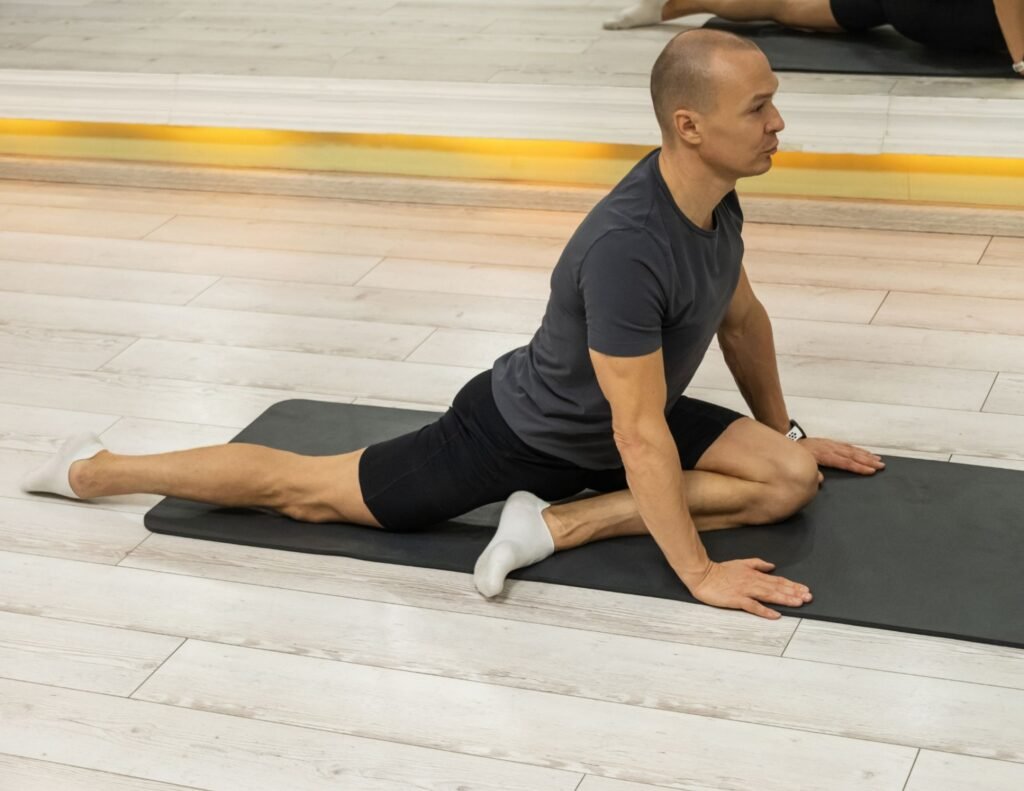
1. Stretch Your Hips Out
All too often, people don’t put enough respect on stretching any part of their body, and the hips are one of the most important muscle groups you can warm up, as they define how you walk, and how much weight you can keep balanced on yourself without potentially incurring damage.
While we won’t go over every hip stretch imaginable, or how to do them, some simple ones that you can easily find videos on how to perform properly would be things like:
- Hip Flexor Stretch
- Hip Rotator Stretch
- Quadruped hip Circles
- Lateral Leg Raises
- Butterfly Stretches
- Lateral Lunges
Some people have slight inclinations to avoid stretching because they are concerned about how they will look, care about their current body shape or size, or view other things as shortcomings, but, truthfully, the only person whose opinion matters about your body is yours.
It does not matter how you look while doing your stretches (except, of course, when you are using poor form!). What matters is how you feel afterward. The relief of not being in unbearable pain from a simple hike is a joy everyone should experience, so take care of yourself.
2. Strengthen Your Hips
In much the same way you can do stretches to warm up your hip muscles, many of these same stretches can be done at home on a routine schedule to help strengthen your hip muscles over time, giving you greater control of your body, making you more limber and agile, and most importantly, giving you a higher quality of life.
Granted, you’ll probably need more weight on your exercises if you are wanting to improve them, so exercises like Wide-Stance Kettlebell Deadlifts will allow you to not only add a desired weight, but allow you to change it up as you get stronger, but again, do some research on positions that will work for you, and where you are at with your personal fitness level.
3. Go to a Chiropractor
Alternatively, you can also visit a chiropractor to get some relief in problematic areas, and more than likely get some genuinely good advice on more stretches and exercises you can do to strengthen your hips and body in general.
If you do opt to schedule a visit, you would be wise to ask important questions about targeting areas that routinely give you pain, and about preventative measures you can take to avoid stiffness throughout the work week, especially for us office workers.
4. Regular Exercise
Fitting in an exercise routine in a hectic life can be incredibly difficult, and keeping things brutally honest, most of us will sell ourselves any narrative humanly possible to avoid making our lives any more complicated than they already are, highly valuing the “relax” days, or better, days off.
The problem here is that if you work a sedentary job, laze about throughout the week, only going from place to place to turn in paperwork and the like, and then attempt to go on a hike as your only form of exercise, you are definitely doing better than most. Still, you are setting yourself up for pain due to your body’s overall expectation of a lack of activity.
Sneaking in a small walk, some stretches, lunges, almost anything throughout the week, even for just thirty minutes will make a world of difference, most people think a regular exercise routine has to be hours of sweating at the gym, otherwise you are wasting time, or lying to yourself, but that isn’t true, as anything is better than nothing.
5. Create Healthy Habits
In much the same token, changing your life for the better, starting small then going big will create a rippling effect on how you navigate life, and more importantly how you feel, waking up and stretching for example will increase your activity level, and may take you from moaning and groaning when you get out of bed, to being painless when swinging your leg over.
Skipping the greasy breakfast sandwich in favor of something light and healthy will improve digestion and keep you feeling full until lunch, where you aren’t looking to “fill the void” but to eat something that won’t upset your stomach, leading to more mindful choices for dinner.
Each conscious choice you make for your health will help you maintain a better mental state when making the next choice, creating a cyclical loop of progress that becomes much easier to sustain after the initial step.
6. Healthy Weight & Use Correct Posture
While it sounds redundant, being overweight obviously puts excessive pressure on your body, striking out at your joints, muscles, and technically speaking, even your bones, depending on how large you become, with this extra weight causing your body to compensate and lean to alleviate constantly growing pains in problematic or stressed areas, potentially leading to incorrect posture.
Posture changes are not only in effect when you are sitting down, they affect how you stand, how you walk, and even lift smaller and larger objects, things like bending down and petting your cat will be much more difficult to do if you are attempting to balance an awkward frame, so, taking care of yourself can make you a more balanced person both literally and figuratively.
It’s worth noting that investing in yourself to shed a few pounds that might be causing you to favour a certain side, or sit in an odd position will allow you to experience life in a new light, sometimes opening your eyes to an entirely different world view, especially if you find yourself looking at the floor, or hunched over more often than not.
7. Warm Up Before the Hike
Assuming we fully grasp how important even starting your day with a good stretch can be, it’s relatively easy to understand how stretching before that big hike can make a massive difference in how you end said hike, or navigate it.
If you take the time to warm up, you are much less likely to cramp up, feel overly stressed when making small movements (stepping up a steep slope, for example), or need to brace yourself on something due to a sore knee.
While stretching and warming up isn’t guaranteed to alleviate any of these things, it’s definitely better than showing up to the event ill-equipped and much more likely to injure yourself, so spare the few minutes it takes to ensure you aren’t going to be in agony before bed.
Are There Any Specific Stretches You Can Do to Lessen Hip Pain?
As noted above, there are definitely some stretches you can do that will set you up for success, but a few work as great preventive barriers between you and the dreaded foe: hip pain.
Some of the best stretches you can indulge in for reducing your hip pain are the following:
- Child’s pose
- Lateral leg raises
- Shin box 90-90 stretch
- Glute bridge
- Body Weight Squat
All of these stretches will activate core muscles around your hip, making small movements easier, and allowing you to endure more over time.
Final Thoughts
A good diet, consistent workouts and stretching, and small adjustments to how you walk and how your backpack hangs from you could literally change your entire hiking experience. While the journey of a thousand miles starts with a single step, you can begin feeling relief in your hips with just one.