Mankind has undergone some significant transformations in how we enjoy the great outdoors. With the advent of technology and portable housing, the possibility of experiencing the majesty that nature has to offer while remaining in the security of a fortified home has never been easier to indulge in. On the other hand, some people love trying out different camping styles, but what are they?
There are a myriad of different ways you can camp outdoors, but there might be one that is perfect for you and your lifestyle. Some people do enjoy the challenge that can be offered, so a more minimalist take on camping is never entirely gone, while others enjoy having luxuries on hand.
We will go over the pros and cons of some of the most popular camping methods currently, and dive into what makes each of them shine. Let us continue reading on for more information.
Different Types of Camping Styles: Which Is Right for You?
Camping in itself is a pastime that has a great range of flexibility and expression as far as how someone can go about utilizing their time and resources. Even if you do not necessarily own a tent, you can still plan a trip and sleep in your car, should the mood strike you.
Choosing a camping style typically boils down to what kind of resources, sleeping methods, and other equipment you have at your disposal. This is combined with the distance you need to travel to reach your desired camping spot, taking into account various obstacles, such as your level of preparedness for the place.
Technically speaking, you can spend as much money and time preparing as you’d like, but very rarely will someone be entirely prepared for everything that will be thrown at them while they are in the middle of exploring and embracing nature.
In one way or another, that lack of resources and the need to adapt to overcome unique challenges is what makes camping fun. Going without and making do is just the essence of the experience itself.
1. Car Camping
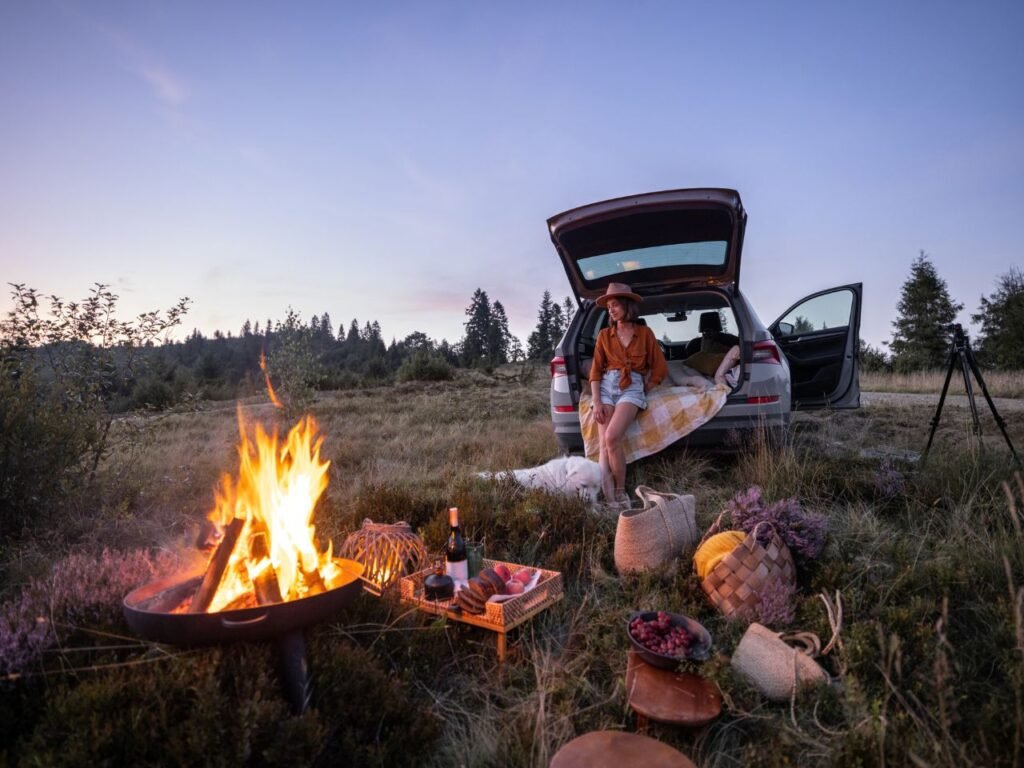
As simple as it sounds, car camping is done primarily in your car. Camping can be extended to any vehicle you own, but it will most predominantly be vans, trucks, and the like, due to the extra room they inherently come with. Still, you can camp inside a Volkswagen Beetle if you really want to.
The entire concept here is to utilize your car as a centralized hub for storing extra gear and equipment, or for keeping essential goods. It could also be having an opportunity to cheat the system, with functional AC if it’s too hot, a roof over your head to stop rain from soaking you, or you can combat frigid temperatures with a bit of heat.
Despite it being called car camping, you don’t reasonably need to sleep in your vehicle if you don’t want to. As noted above, you can opt to keep your heavier things in it and reach them at your leisure, ensuring things like your cooler, clothes, and heavier equipment like grills don’t need to be lugged very far to be utilized.
2. Winter Camping
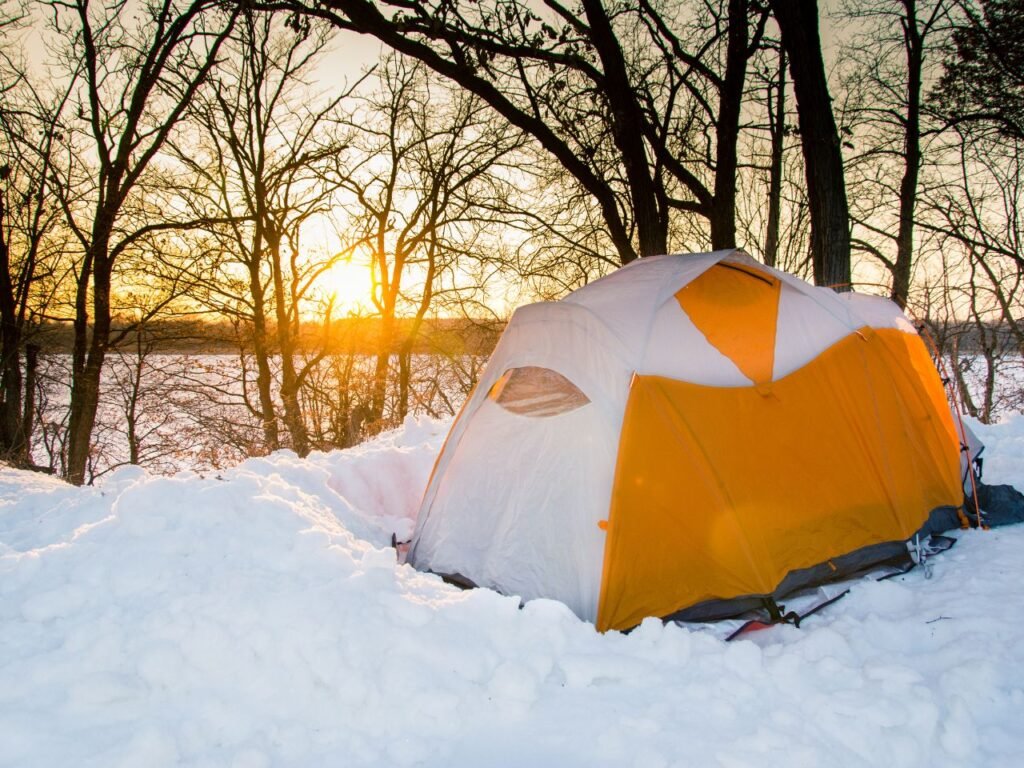
Nothing quite like a brisk morning to alter your perspective on daily life and give you a newfound respect for your home and all the creature comforts that are nestled cozily within. Winter camping is just what it sounds like: having the physical and mental fortitude required to sleep outside, knowing that temperatures are plummeting and you’ll need to utilize things like a well-built fire and very secure sleeping areas if you are to endure the night.
Sleeping outdoors typically has its own unique subset of dangers and quirks that will need you to prepare for the challenges ahead. Still, winter camping brings even more of them simply due to the extreme weather conditions.
Worst of all, a lack of preparation can prove to be very dangerous if you don’t take things seriously, as frostbite, food freezing solid, lack of water, and more can all be issues arriving on your doorstep should you not take the time to familiarize yourself with what you need beforehand.
Assuming you want to try your hand at winter camping. In that case, you need to understand that you should invest in the appropriate gear and attire to facilitate a successful adventure.
Things like a strong, durable coat, inner armor, gloves that will protect your hands at all times, socks, and well-made boots are pivotal in protecting your body from the cold. Never mind the specific gear you will need to get that can remain functional in freezing temperatures.
While shopping for these necessities, it would be wise to take some time to read reviews, noting the quality of the product and potential issues others have encountered while using it, to stay informed about potential problems. It is also essential to gauge whether or not the price of said items is worth the initial investment.
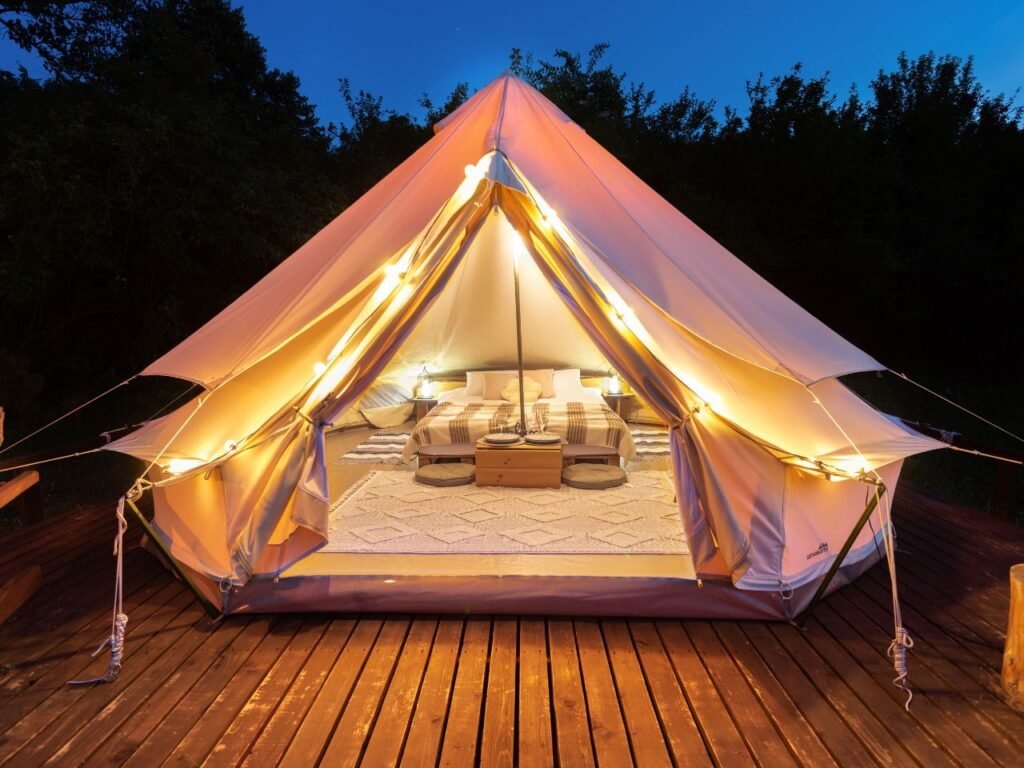
3. Glamping
If you are new to the word itself, you wouldn’t be the first. However, the new verbiage essentially translates to “glamorous camping,” which in itself sounds a bit silly. Still, the concept is sound once you really dig into it.
Imagine for a moment you want to surround yourself with trees, lakes, rocks, beautiful views, and fleeting glimpses of animal life, without ever needing to go without. Even better than that, having access to opulence that you couldn’t dream of in your own home. If you managed to paint that picture in your head, congratulations, you’ve officially discovered glamping!
The entire premise is essentially making camping luxurious and extravagant, with things like gigantic posh tents, stylized furniture, full mini-bars, a well-stocked fridge and kitchen, optional sheltering to opt in and out of whatever the weather is in your area, and even full-sized beds make glamping one of the most premier choices when it comes to most camp options.
In most situations, glamping isn’t something you can personally set up alone. Usually, these diminutive domiciles are set up for people to rent as a getaway experience. They are pretty pricey in most circumstances, but let’s be honest, if you really want to enjoy glamorous camping, you probably don’t care about pricing that much to begin with.
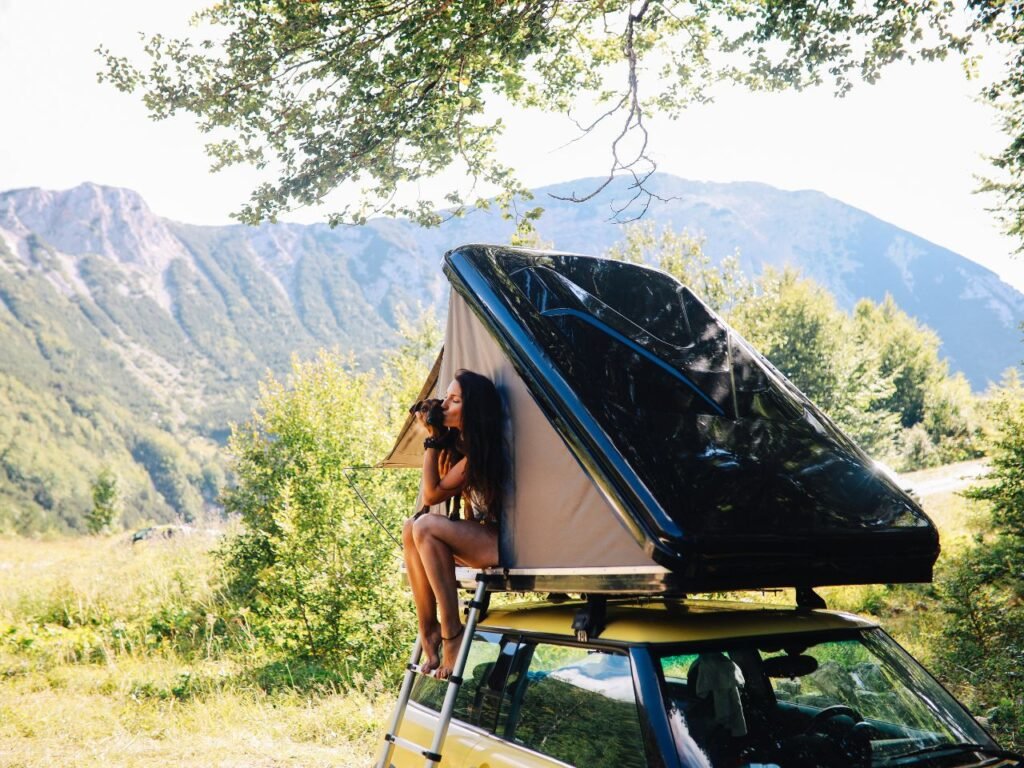
4. Rooftop Tent Camping
Don’t let the name fool you; rooftop tent camping does not mean you are marching outside your home or apartment and openly declaring you will sleep on top of your home in sheer defiance of norms. In all honesty, rooftop tent camping would be purchasing a small tent that rests comfortably on top of your car. It works as both the base and shell of the structure itself, allowing you to be safe from flooding and other annoying factors attributed to having a tent on the ground (we’re looking at you, random ants and spiders that “mysteriously” appear the moment we go to sleep).
Aside from keeping creeping creatures away, rooftop camping offers an absolutely stunning view of the surrounding landscape, especially when you first wake up in the morning and open your eyes to the absolutely awe inspiring view of a sunrise backed by a location of your choice, few things in life can beat such a moment, and if you are sharing it with a special someone, or your whole family, then all the more power to you.
As a final boon, rooftop camping also allows you to not only pick a location of your choosing to establish your camping spot, but things like uneven ground, soggy areas, or curious animal life aren’t even going to be in your vocabulary of issues to consider, as you will literally have the ability to look down on them from on high.
The initial investment is what hits most people the hardest when it comes to picking a specific rooftop camping tent. Still, there are a myriad of different ways you can get the most bang for your buck, be it shopping via social media or checking on discounts on things that are being swapped out when the same brand releases newer models. Be patient, and be creative. You’ll have your own rooftop tent for a very respectable price, should you desire, anyway.
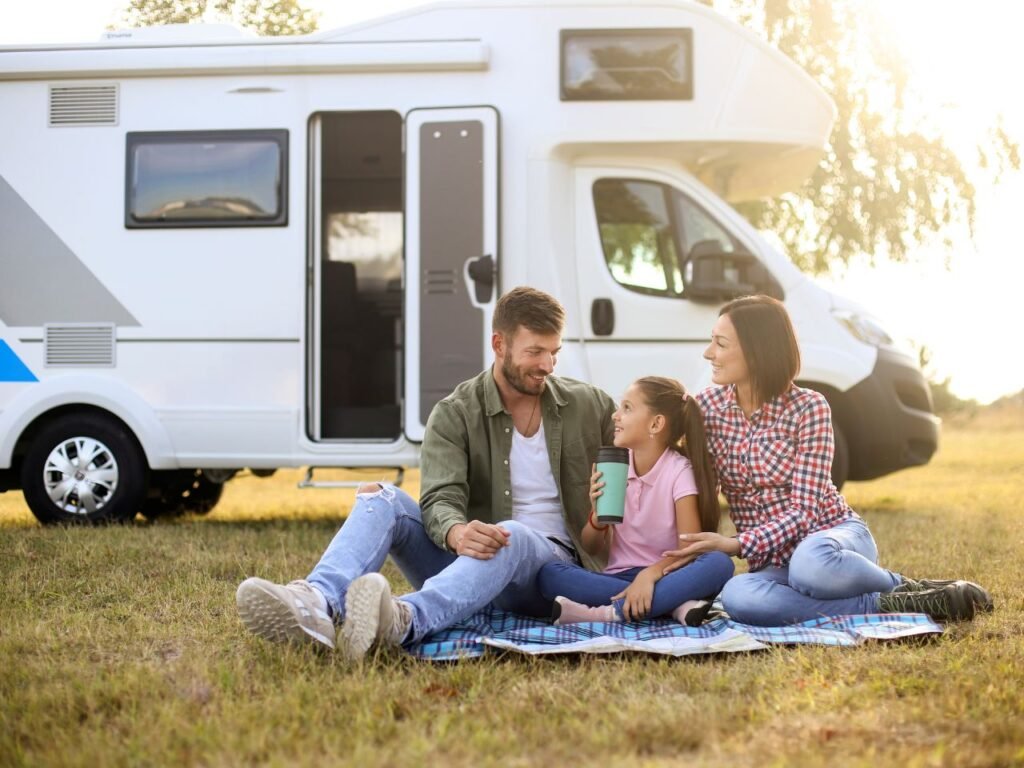
5. RV/Van Camping
Hands down, RV and van camping is one of the most expensive front-end camping options available. This is primarily because you can’t do it without purchasing the vehicle itself first. Most people don’t want to make an extreme purchase the week before they intend to camp. However, if you are someone who regularly enjoys camping trips and wants to broaden your horizons and save some money over time, an RV camper van might be your best choice.
RV camping combines some of the most unique aspects of camping and being at home. For one, the vans are literally small homes in some cases, featuring ample space, toilets, showers, kitchens, and reasonably sized beds in some cases. You can use them as forward operating bases for exploration, and only go back into them to sleep and refresh yourself before marching back to the wilds.
Alternatively, they can store everything you want for a more simplistic camping experience for a large number of people (think storing several large tents, the food, and equipment for all of them, with everyone else only making the trek to the destination itself).
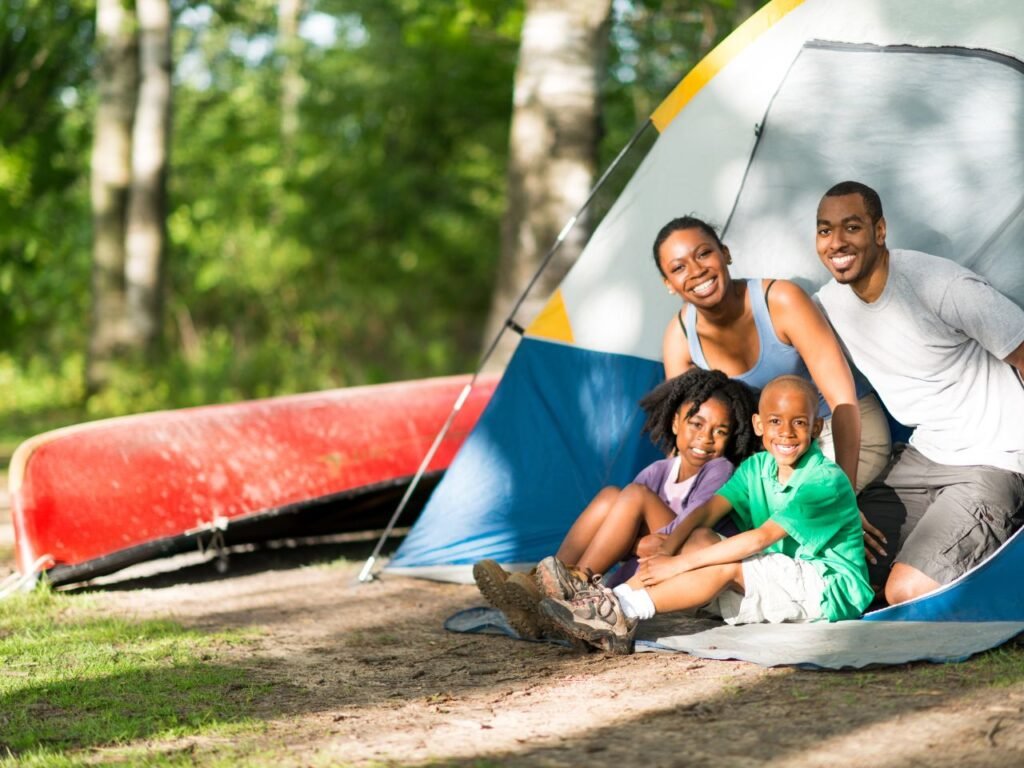
6. Kayak & Canoe Camping
When viewed separately, both kayaking and canoeing don’t innately make most people think of sleeping in either of them, and rightly so. The premise alone of sleeping in a rusting boat whilst aimlessly being pushed along a body of water you inhabit might not invoke the most clear picture of a sound sleeping experience, or a safe one at that.
Still, rest assured, neither kayak nor canoe camping means that you’ll be nodding off in your vessel of choice innately. Still, you can sleep in one should you desire to (and obviously if the waters are calm enough to facilitate it.
In the most technical sense, kayak and canoe camping primarily lean towards utilizing either of these vessels to get to the location you want to set up camp and using the boats as transports to get you to a more ideal, and typically isolated, location of your choosing.
Preparation is key if you want to do this; however, a lot can go wrong while you adventure to your perfect spot. Things like the kayak or canoe itself flipping over, straying your gear (and wetting your tent), along with simply getting soaked on the way there without the boats ever flipping over are distinct possibilities.
Assuming you do want this experience, you’ll need to have quite a few dry bags, along with protective tarps and the like, to ensure no water seeps into your food supplies, tents, and other gear that doesn’t mesh very well with water. If you can manage to keep everything in line, though, you’ll more than likely end up in a beautiful location with an absolutely dazzling view to boot.
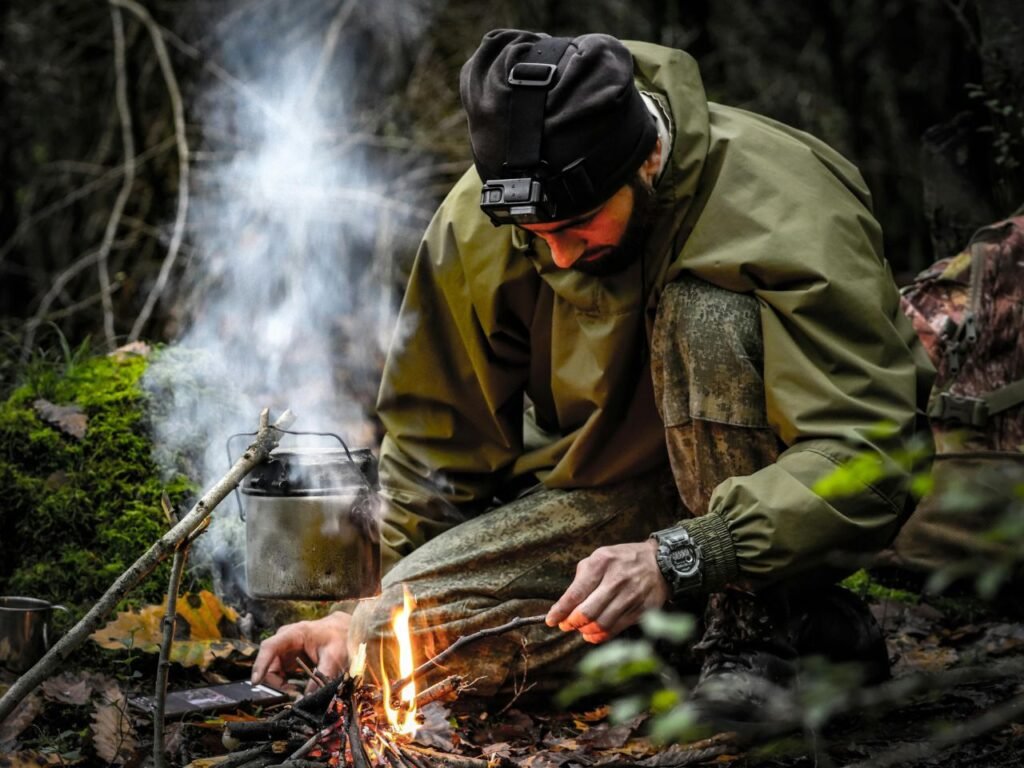
7. Survival Camping
Arguably the polar opposite of glamping, survival camping is all about utilizing extreme knowledge on how to acquire food, build shelters, filter your own water, and more while making things as safe as they can be. This requires a minimal amount of supplies and luxuries brought from home.
It’s definitely worth saying you can’t just get a bag, bring a knife, and march into a forest and expect to thrive, let alone survive. It is essential to conduct thorough research on how to navigate each of these potential hurdles in-depth and practice while camping to gain a sense of what the whole experience will be like.
Knowing the local animal life, having decent hunting skills, or being an avid angler will benefit you immensely here. Simple traps and making a fishing rod with just a bit of string will prove to be invaluable bits of information when attempting to do this kind of camping. This can be coupled with niche information, such as truly starting a fire from nothing and securing a small shelter from fallen branches, leaves, and other readily available supplies that nature provides. This will be pivotal for your survival, never mind enjoyment.
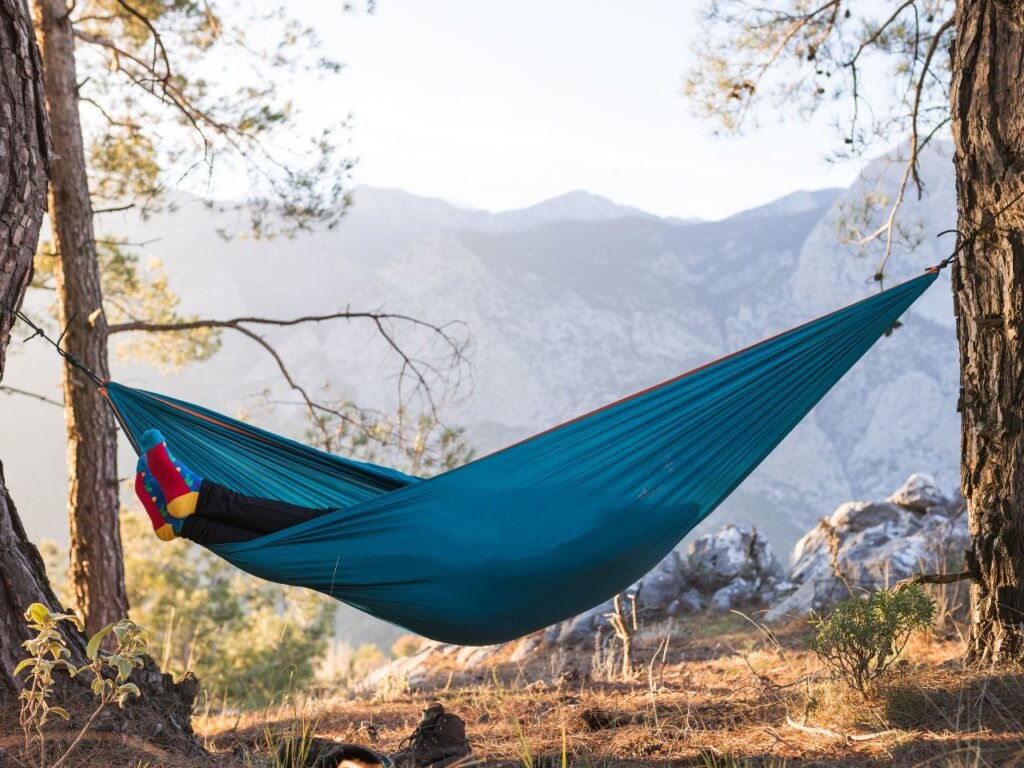
8. Hammock Camping
Definitely one of the more unique and comfortable ways someone can camp. This method is all about turning your traditional hammock into an entire tent of sorts, and being one with nature while also doing your best to enjoy being in a cocoon.
It is entirely possible to make a basic hammock and throw a tarp over the top and call it a day. People who are genuinely looking to invest in this experience will need to purchase a hammock tent. These little beauties come in several different designs and shapes, with some featuring large, intricate designs that utilize hard shells to create the overall shape.
Several others can be made by attaching a rod to your vehicle, allowing you to swing freely from just about any location. The most basic benefit from this style of camping is that you are elevated off the ground, mitigating poor ground stability, insects, and, in particular, smaller creatures from pestering you.
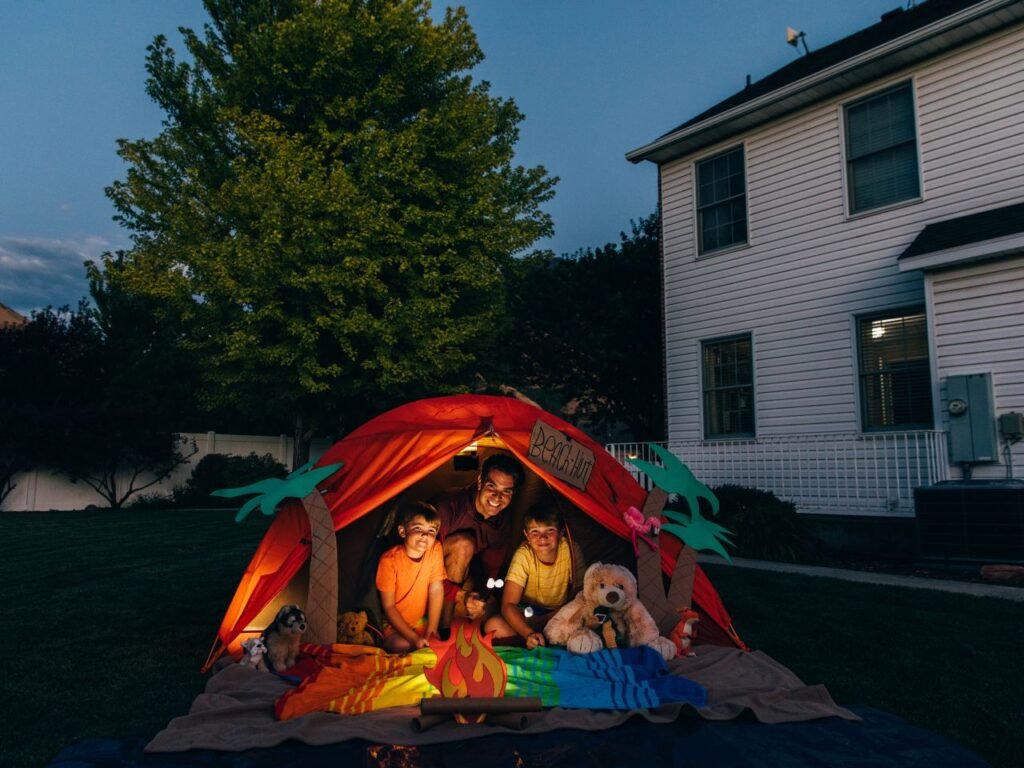
9. Backyard Camping
A truly remarkable time for all ages, with the ultimate get out of jail free card. Should things go awry and become inhospitable, backyard camping creates the illusion of camping, sleeping outside, limited resources, and potentially falling prey to some nasty bug bites. However, you have the safety net of getting up and walking inside if things go too poorly.
While it is an assumption, most kids go through a phase where they attempt this in one way or another. They are either being volunteered by a parent to try roughing it to “build character,” or begging and pleading with their parents to let you try camping, usually with a sibling or friend.
Regardless of the circumstances, it’s just camping outside your home, with as few or as many resources at your disposal as you please. Some iterations of this include hauling a TV into your tent, a game device, and the trusty extension cord for a truly memorable experience.
Still, it’s imperative to keep safety in mind for anything like this, be it TV being on a stable surface, to any electrical wiring being safely out of the way from water exposure, and the like.

10. Backpacking
Backpacking is traveling around nature or to new locations with a small container or backpack that fills all your needs. Typically, with a sleeping bag attached, allowing you to hunker down almost anywhere.
Seemingly uninspired at first glance, backpacking is essentially a slightly more prepared variant on survival camping, with the most significant difference being that you’ll probably have a handful of meals at your disposal. Instead of sleeping directly on the ground, you’ll have a nice sleeping bag to utilize instead.
Alternatively, backpacking describes someone who travels abroad, often with only what they can carry with them from place to place, and stays in the cheapest hotels and other available accommodations. However, this probably isn’t directly what people are thinking about, especially from a camping context.
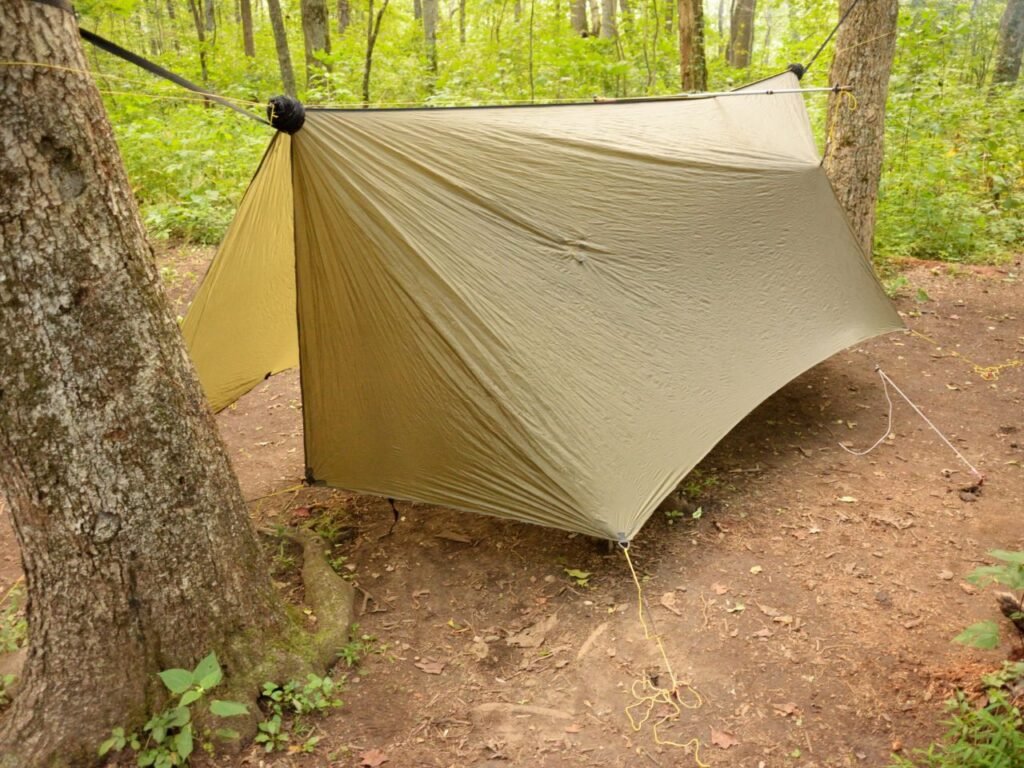
11. Tarp Camping
Keeping things to the point, the camping method, known as tarp camping, involves finding an ideal location, setting up a few sturdy rods, and throwing a tarp over them to create a very simple tent. This is perfect for keeping whatever gear you have out of the rain and other elements, but honestly, that’s about it.
The entire premise of tarp camping is all about bare necessities and allowing yourself some comfort, but primarily enjoying everything that nature has to offer.
This may involve having direct access to any breezes that happen to blow your way, or having slight mists dampen your arms and face while avoiding a direct downpour. Tarp camping can be beautiful and eye-opening, but it’s definitely not for everyone.
12. Overlanding
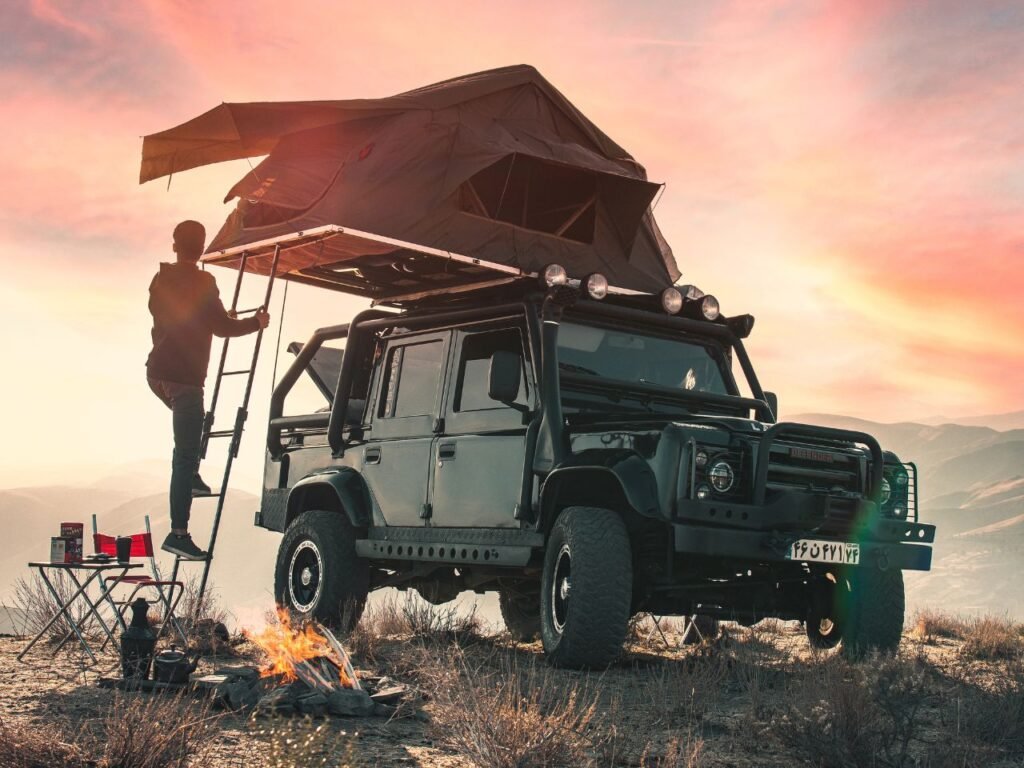
Ah, yes, overlanding, rooftop tent camping’s more competitive, and edgier older cousin. This form of camping utilizes off-road compatible vehicles to cover treacherous and rugged terrain, reaching some very remote and potentially beautiful locations.
It allows you to finish the day by setting up shop in a roof top tent, completely circumventing the uneven surfaces, potentially marshy ground, or any other problem these unexplored areas might throw at you.
In certain situations, overlanding can be the perfect balance of rugged and survival, with comfort and peace. Assuming you take the time to prepare correctly, you’ll have everything you need for a few days stashed away in your vehicle, making the most challenging part of the trip your routine hikes and explorations you do when you aren’t sleeping, or relaxing near your tent.
13. Tent Camping
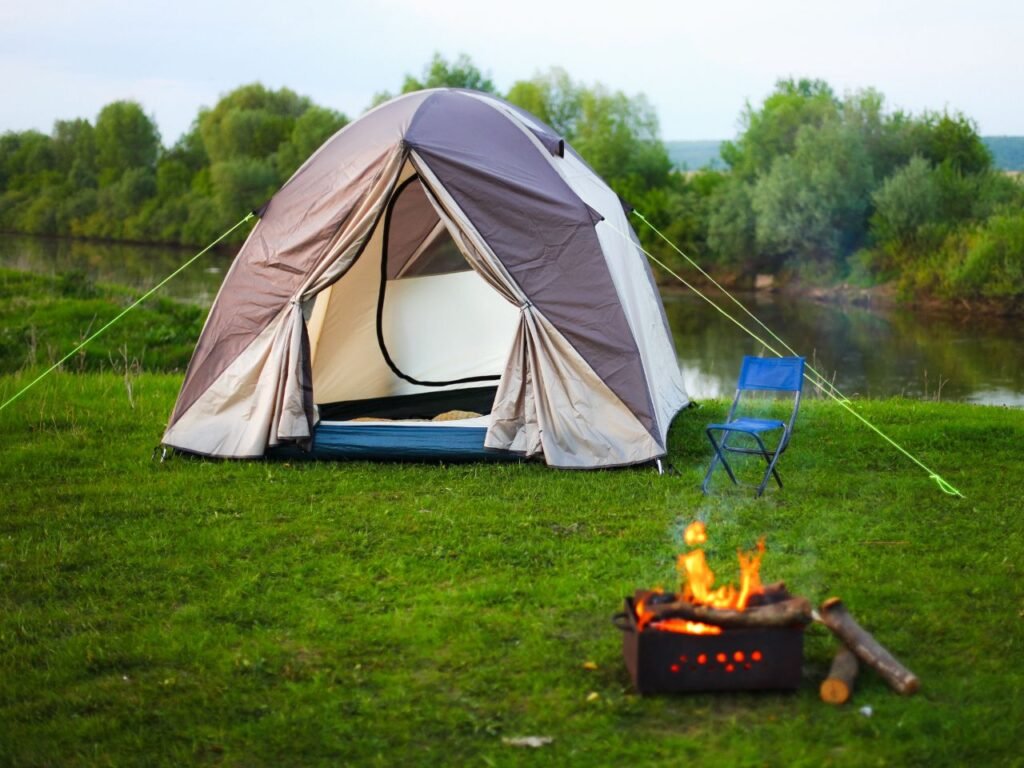
The original outdoor experience, simple tent camping using either a small fortification made with rods and pegs to secure them in the ground, or an even more accommodating one, with a lavish mobile domicile that takes longer to build. The second choice is much more durable and better equipped for whatever kind of weather you might experience.
Tent camping can be as comfortable or difficult as you’d like for it to be, with the biggest crux being the kind of tent your bring. Some tents can have very strong overhead tarps that block out rain, wind, snow, sun, and more, with surrounding nets to keep bugs out.
Tents may also have specialized tarp and floor supports to make the ground even more stable for your resting experience. We recommend shopping around and getting one that fits your budget, assuming you want to go for a more classic camping trip.
14. Bivvy Sack Camping
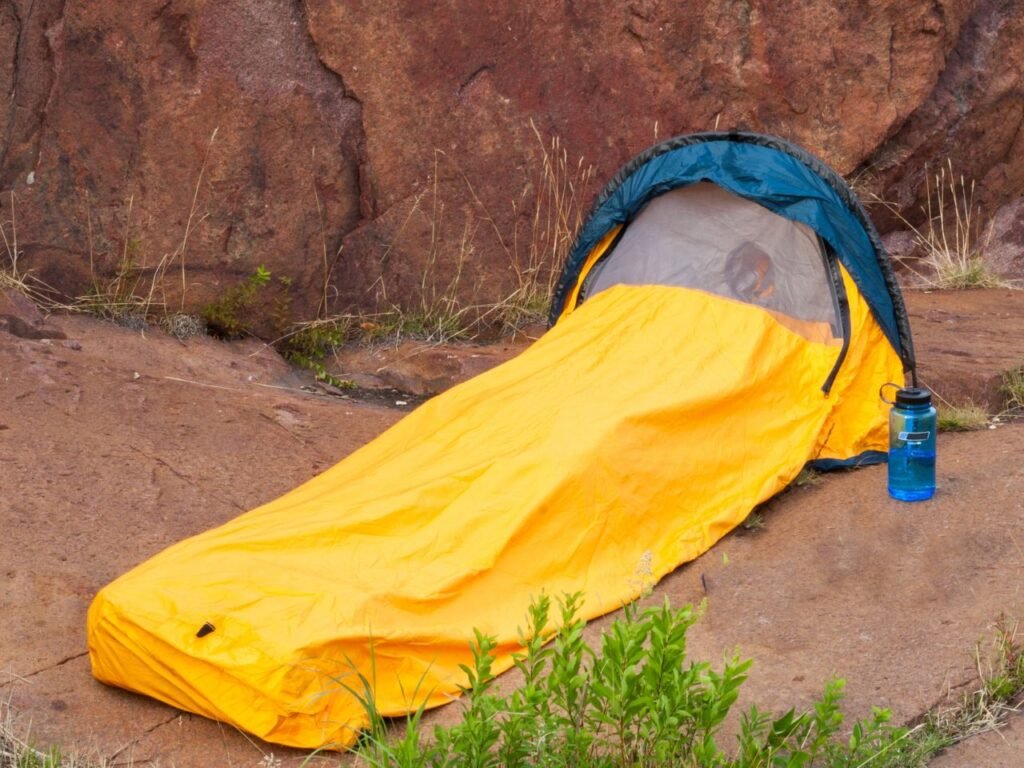
You’ll be forgiven if you are slightly out of the survival loop and have fundamentally no idea what a “bivvy sack” is. Boiled down to its most basic concept, a bivvy sack is the love child of a traditional sleeping bag, but given all the love and attention a very well-built tent has to offer, without all the extra bits and bobs, that is.
At a glance, a Bivvy Sack is just a sleeping bag with an elevated, zippable top near the head area, giving the illusion of a tent, and the elevation point serves to keep excess weather elements and more directly from interrupting your sleep, with other tactical purposes as well.
Bivvies can be utilized in emergencies and are designed for survival, typically featuring waterproof fabrics, bug-repelling meshes, and reflective coatings that make them easy to see from a distance. These fortified sleeping bags can fit quite a few different circumstances, but can be pricey, especially for well-made ones.
15. Wild & Free Camping
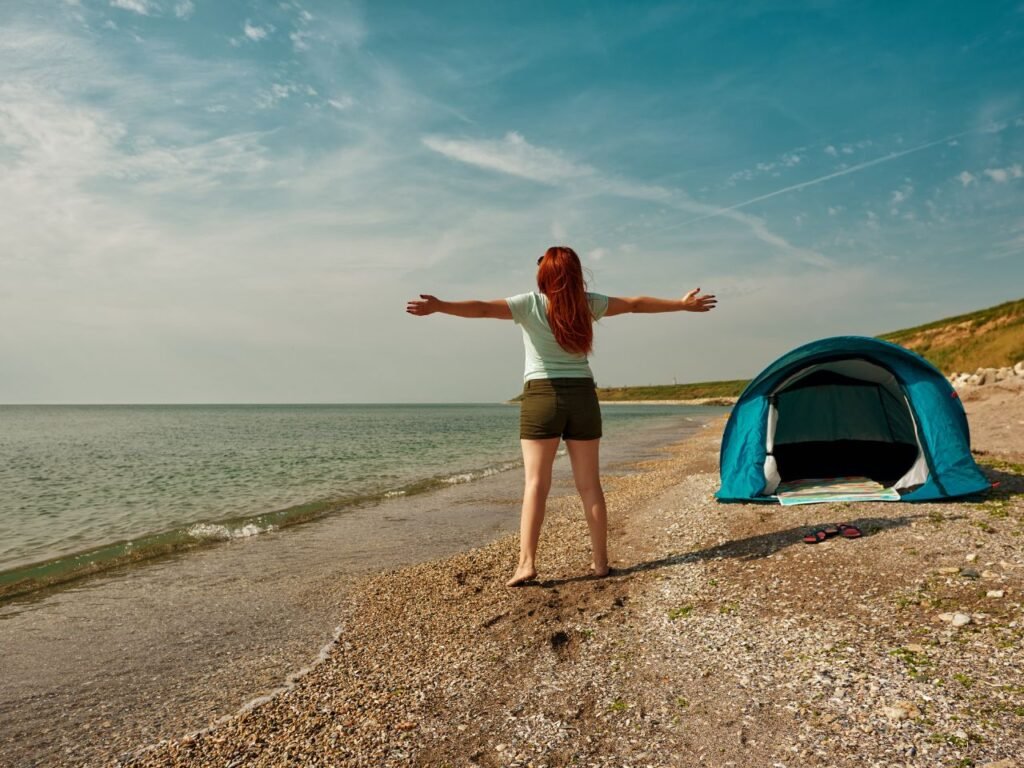
Despite its name, wild and free camping essentially details a camping experience that is done on paid campgrounds, with limited to no amenities. Things like bathrooms, showers, and even trash cans are going to be out of the question here, putting all the responsibility on you, the camper.
In these locations, you’ll typically be able to choose any location that fits your liking, with the generalized expectation being that you’ll only be there for a very set amount of time (usually ten days maximum, but specific locations may be more or less lenient depending).
One of the biggest changes towards the camping experience with wild and free camping comes with the knowledge that there may be other campers in your vicinity, which can make things considerably safer, or if you are in less than ideal locations, more dangerous. Gauge your locations, do research, and make a choice that is right for you.
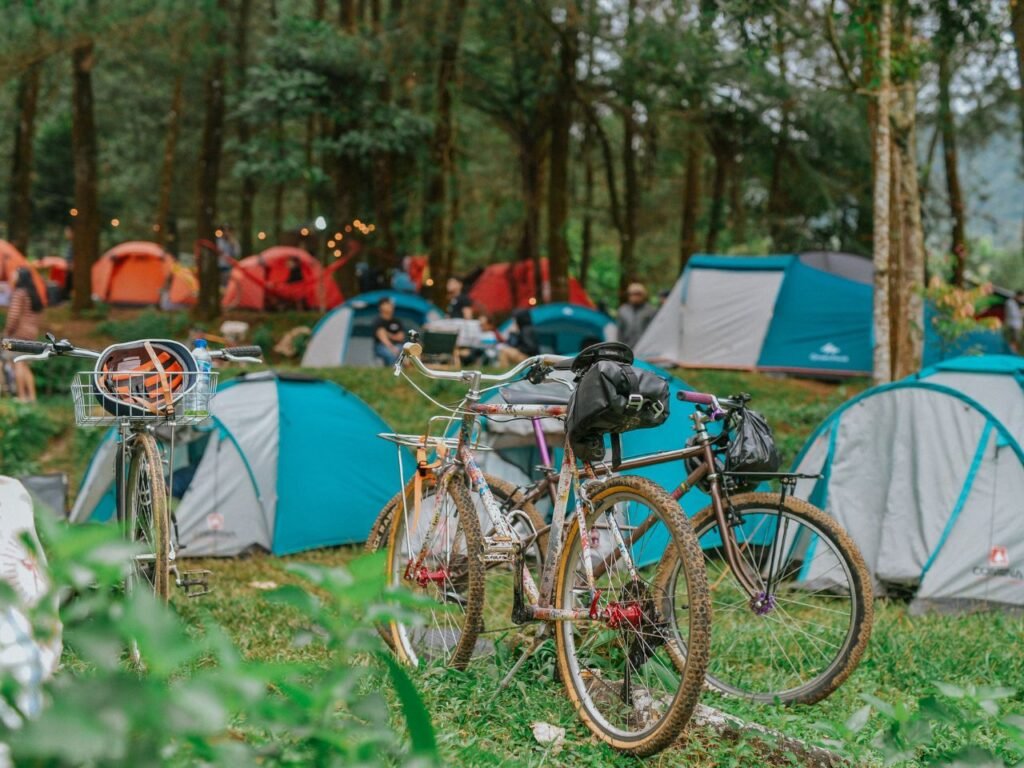
16. Bike/Motorcycle Camping
Sounding like something straight out of a movie, motorcycle camping isn’t sleeping on a motorcycle for those silly enough to imbibe on such things. The core principle is broken down into two concepts.
Either you are using your motorcycle as a chosen mode of transportation to get to an already chosen location, like riding to camp, or you are bringing everything with you for a very simplistic sleeping experience. These necessities usually just a small tent, sleeping bag, and whatever essentials you can fit on your bike.
While somewhat obvious, doing the latter option requires meticulous planning and extensive use of space, with things like saddlebags or other extra storage options to bring everything you need.
What Is the New Style of Camping?
The most revolutionary style of camping to crop up over the last few years was the aforementioned “glamping,” which turns the entire premise of camping on its head. This is done by making the whole experience about how over the top and opulent you can make the entire affair, instead of how good you are at making do with what you’ve got.
What Are the Big 3 of Camping?
The big three break down into your sleeping arrangements, your shelter of choice, and finally, how you are storing all of your essentials, which is typically some manner of backpack. All of these are very important as they define what kind of camping experience you’ll have, as well as dictate how prepared you are for any given situation.
A short planning in regards to your shelter of choice, like a very flimsy tent, might mean you are left exposed to the elements, whilst a sleeping bag with a hole in it may let critters skitter in to enjoy the warmth you provide, finally a backpack that is purely for fashion, probably won’t carry much, and will potentially injure your shoulders depending on how far you need to have it.
All three of these aspects need to be taken quite seriously if you are to have an enjoyable camping trip, unless of course you are going for the survival camping method, in which case you are free to bring as little as you want, assuming you have the skills to back such a choice.
What Is Lazy Camping?
While any subset of rules can’t define lazy camping, it more or less leans towards smaller choices you make in planning that determine how your overall experience plays out. Things like pre-made pouch meals, which are in an almost MRE style, allow you to make food a fire-and-forget endeavor, allowing you to focus more on your activities and day, instead of planning meals or cleaning dishes and pots afterwards.
Other instances of lazy camping can be extended to your shelter choices. For example, inflatable tents can take the guesswork and planning out of protecting you from the elements, leaving you to throw a tarp over the whole thing afterwards and call it a day.
What Is the Most Popular Type of Camping?
In today’s society, car camping is by far the most popular method of camping as it extends to the most extravagant methods of camping like RVing, includes other methods like rooftop tent camping, and can deftly be applied to simply car camping, because it is applied as an umbrella term to so many other variants of camping, it’s easy to see why it’s the most popular.
Which Camping Style Is Best for You?
The best camping style allows you to have a great range of flexibility for your personal enjoyment, while also providing the right amount of challenge for you, so that the experience itself is either less notable than if you just stayed at home, or directly turning the principle on its head, and being more lavish than anything you have at your disposal on a good day, price point and struggle are your biggest choices when making a choice on the ideal camping experience for you.