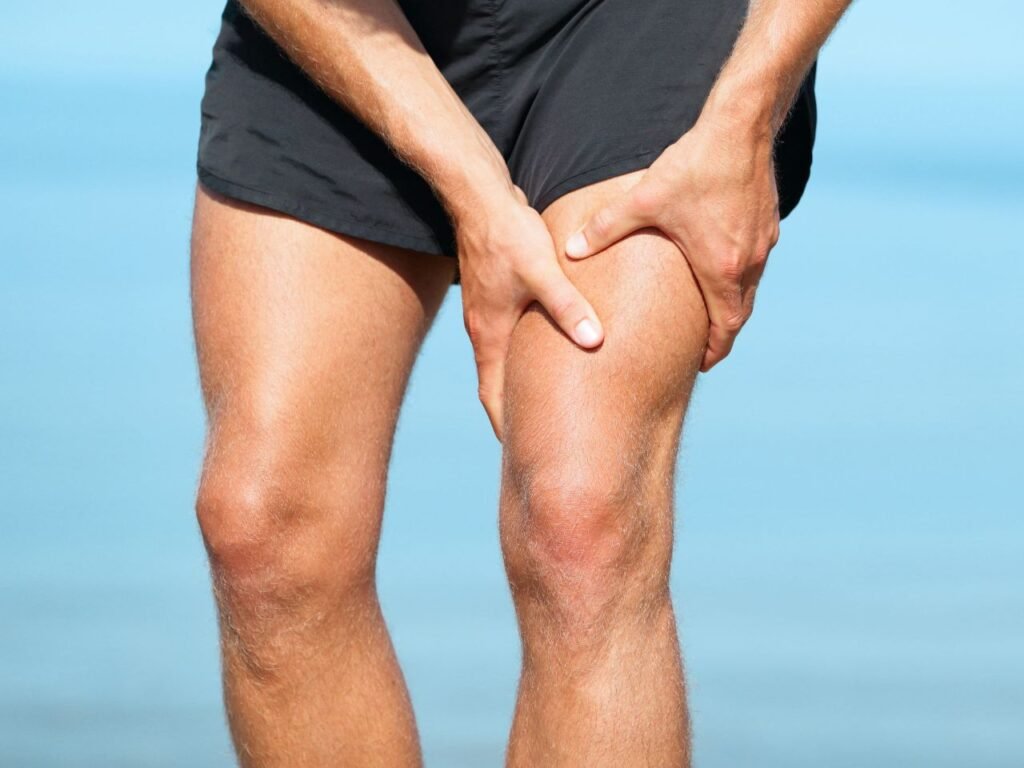
After any intense physical activity, you may feel sore the next day. For some, this ache can be bothersome; for others, it serves as evidence of progress. Regardless, you are likely to notice lingering pain or tingling. However, with preparation and proper hydration, you can reduce or even avoid this discomfort in the future.
Why Do Your Quads Hurt After Hiking?
The biggest reason your quads hurt after hiking, or truthfully, any physical activity that could simulate the same pain, would be due to the microscopic tears in the muscle itself. This might be painful to imagine, but these small breakdowns are actually what allow your muscles to grow, lending slightly more credibility to the old mantra, “pain is gain”.
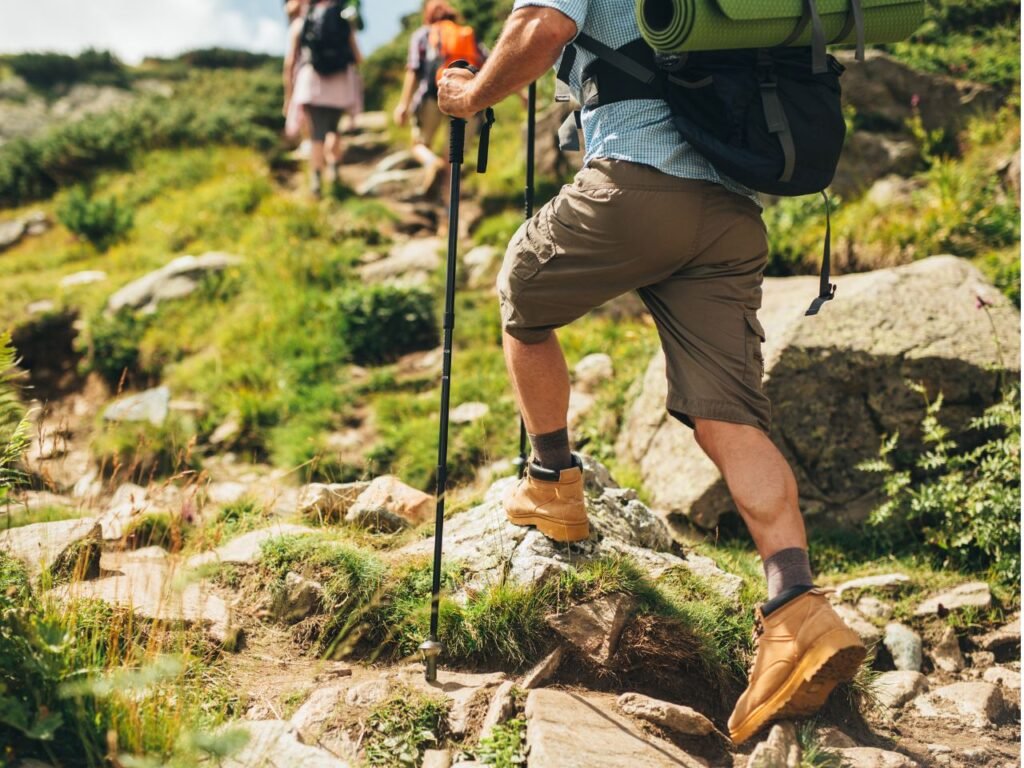
If you are experiencing significant pain, consider whether certain factors are placing extra stress on your quads. Carrying a very heavy backpack, walking downhill, or trying to balance on rough trails covered with rocks, sticks, or other challenging terrain can all increase the strain on your quads.
Forging your own path can amplify these pains and risks significantly, as you’ll more than likely need more than your trekking pole to maintain proper balance. If it even has a use with the excessive foliage and other factors where you are, these increased hurdles will simply create more strain, which inevitably increases your chances of sore quads after your hike.
Hydration is also crucial. Skipping water breaks, whether by accident or to save time, can lead to muscle inflammation, agitation, and even dangerous dehydration during intense activity.
What Self-Care Routine Should I Do for My Quads as a Hiker?
Recognizing the need for a self-care routine is a crucial first step in taking care of your quads and your body as a whole, whether you’re a hiker or simply living your daily life. Your body is irreplaceable. While modern science offers ways to emulate function if limbs are severely damaged or lost, it is far wiser to care for the body you have while you can.
At first, self-care may simply mean adjusting your diet and adding nutrients to replace what you lose each day. Over time, you realize that true preparation starts long before you set foot on the trail.
1. Strengthen and Stretch Your Quads
Taking time to exercise, limber, and loosen your muscles before going on a hike—or any physical activity, for that matter—can mean the difference between gaining muscle, maintaining endurance, and making it through the path without injury. Which seems rather bleak, but it’s the honest truth.
To strengthen your quads, regularly do exercises that specifically activate these muscles. You can alternate between movements like squats, lunges, leg extensions, and box jumps to keep your routine varied and ensure continued progress.
Amazingly enough, most of these lunges and squats are also phenomenal for stretching your quads, with the primary difference being the level of intensity. You can also utilize your trekking pole as a makeshift massage pole to hit target areas, or even use your bare hands to make your muscles more malleable for the journey ahead.
2. Know Your Quad Muscles
While most of us may not have the deep expertise in anatomy that doctors possess, you can still understand how your muscles, such as your quadriceps, function without needing advanced degrees.
In simple terms, the term ‘quad’ refers to the four major muscles connecting your hip to your knee, known as the quadriceps. These muscles guide your kneecap, provide mobility, and help you maneuver and maintain balance.
It’s clear that your quads are heavily involved in bending motions. As noted above, working on or stretching your quads requires movements that mimic bending, such as lunges or squats. Any activity that simulates these motions will activate your quads.
3. Get a Trekking Pole
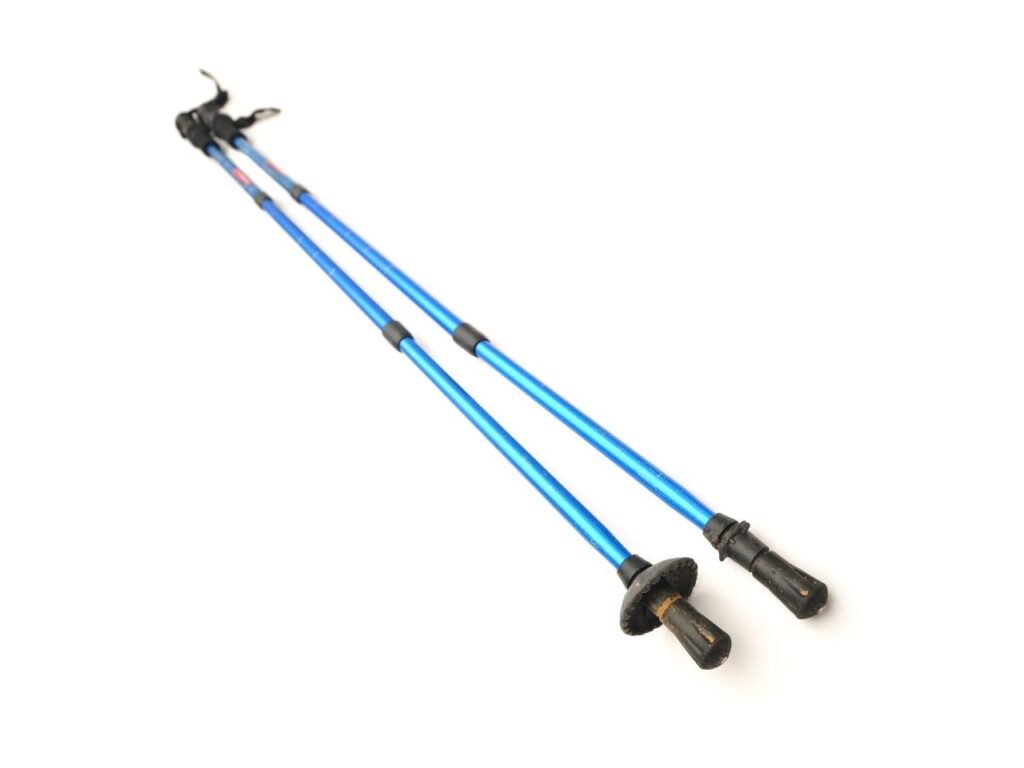
A good comparison to make between the utility of a trekking pole and how it affects the knees and ankles (as noted, your knees are directly associated with your quads). This would be akin to understanding how glasses are related to eyes. If you need glasses, you can technically see without them, but with them, you can see better without straining. A trekking pole offers the same level of utility, essentially reducing strain on your knees, quads, and ankles.
Trekking poles come in many shapes, sizes, and designs. They are often made from various materials; some are built for durability, while others are designed to be as lightweight as possible for comfortable, extended use.
Are There Any Other Muscles That Are Affected by Hiking?
Hiking also works muscles such as the calves, hamstrings, glutes, and core. Each supports your body during movement and balance.
1. Calves
Your calves’ primary function on a hike is to provide some of that explosive momentum noted earlier, allowing you to generate immense strength to lift from your heels and push upwards, maintaining consistent forward movement. Alternatively, the calves also help control descent and ascent, making them pivotal on any hike with some verticality.
2. Hamstrings
Just like your calves, your hamstrings help control your ascent or descent and, together with your calves and quads, keep you upright while hiking.
To avoid severe hamstring injuries, consistently care for your hamstrings by limbering up, stretching properly, and exercising regularly—while avoiding overexertion.
3. Core Muscles
You use your core muscles constantly when hiking to maintain balance and stability, especially on steep climbs. Consider adding more core exercises to your routine.
4. Glutes
Strong glutes help keep your hips and pelvis aligned, support balance, and reduce strain on your knees and lower back while hiking or resting.
What Are Ways to Prevent Hiking Injuries?
The best ways to prevent hiking injuries are to consider the kinds of injuries you might face and take steps to avoid them with strong preparation ahead of time, strengthening your body with exercises that target potentially weakened areas, or using gear and equipment that reduce the risk.
1. Hike With Others
While it might not make a lot of sense initially, hiking with others can innately prevent you from injuring yourself because traveling with others can grant you perspective and allow you to either consider taking breaks for your own sake, be considerate, or outright have someone keep an eye on you and hold you accountable for pushing yourself too hard.
Pushing limits isn’t always bad, but it’s safer with others. Companions can help with limits and emergencies, reducing the likelihood of isolated injuries.
2. Know Your Limitations
Know your safe limits before attempting records for speed, distance, or endurance. Injuring yourself can prevent you from trying again or prolong recovery.
3. Pack Essentials
Seemingly arbitrary at first glance, packing essentials can have dramatically different meanings between people. To that end, it’s best to say travel light, as the more you carry, the more you’ll be burdened with throughout the entirety of your hike.
Extended hikes with excessive waiting increase the risk of injury over time. This is true no matter how much you train or prepare beforehand. The risk is not so much about your overall health as about unintentionally pushing your limits by enduring long periods of inactivity.
4. Wear the Appropriate Gear
Dressing appropriately isn’t strictly linked to going to a formal affair; wearing gear and clothing that keep you cool or warm in the right setting can mean just as much as wearing tennis shoes or hiking boots; it all depends on what you are doing and for how long.
Certain pieces of your kit are almost non-negotiable, bringing a trekking stick should be at least considered if you intend on hiking for long distances or in certain terrain, but things like gloves, elbow pads, or even an undersuit to prevent the friction from constantly moving, giving you skin irritation, there are a lot of things to consider.
5. Have Proper Footwear
Respecting the toll that hiking takes on your feet will make all the difference between you making it home simply fatigued, or limping for miles, only to be bedridden or couch-riden for days or weeks afterward because you simply felt like wearing sandals was the right idea.
Aside from protecting your feet from sticks, rocks, and other hazards, the right footwear will also provide much-needed traction and help prevent slipping when climbing or simply walking.
As brief as the overhead has been, it cannot be overstated enough that if you invest in any part of your gear excessively, it should be your shoes, as they will literally go the distance with you, take a massive burden off your body, and keep you moving forward safely.
6. Stay Hydrated
Staying hydrated is vital for hiking or any physical activity. Dehydration can quickly become serious in demanding conditions.
Sweating while moving means you’ll need to drink enough water to keep systems running. Without it, your body compensates in harmful ways, so maintaining hydration is essential.
Severe dehydration can be dangerous, causing heatstroke, organ failure, or seizures. Always carry water and know basic water purification methods for emergencies.
7. Know the Trail Beforehand
Exploring the great bounty that nature has to offer is something that few people can fully comprehend without experiencing it firsthand, but doing so means little if you don’t know how to get back to civilization after those first fruitful steps.
Taking some time to familiarize yourself with the trail will not only allow you to have a better chance at navigating back home should you take a wrong turn or simply end up lost, but it’ll also help you gauge time and pacing, which can again allow you to make an educated guess as to where you might be, should GPS fail you, or you can’t get a signal.
Certain map apps (rhyme fully intended), will allow you to bring your maps offline, which is absolutely invaluable depending on how long your hike is going to be, and when coupled with things like a portable charger (some of which can give your phone several full batteries) you can give yourself some level of guarantee that you make it back, or at least manage to struggle back to signal range to call for help should you need it.
Conclusion
Respecting your body and your quads will allow you to not only go the distance but ensure you aren’t injured for your attempt in doing so, letting you travel more trails, see more sights, and keep becoming the best version of you that you can.