
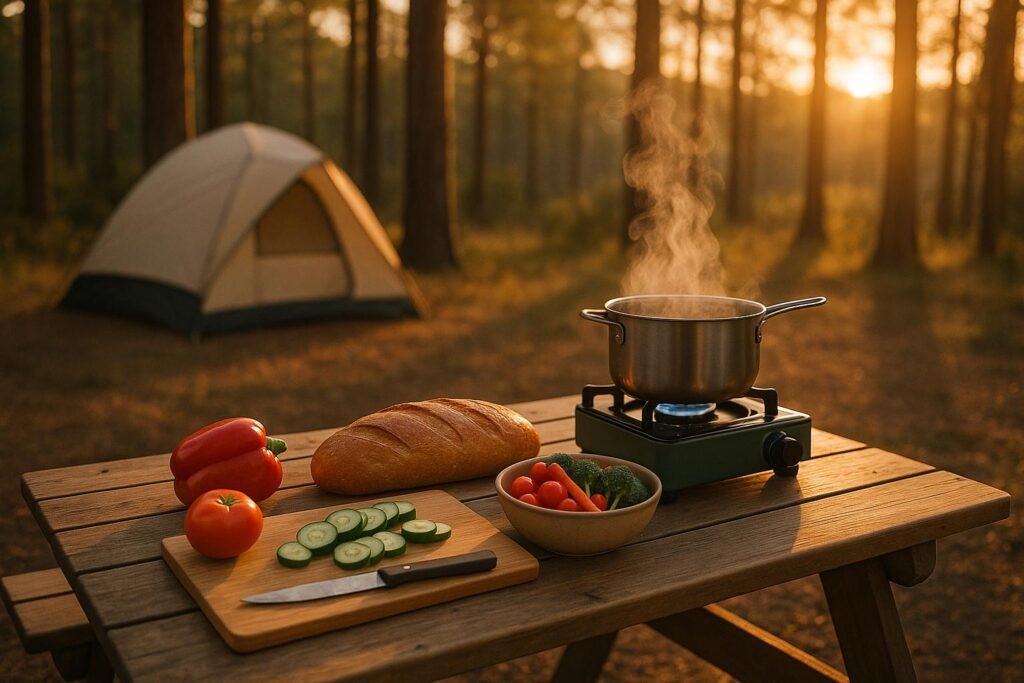
Camping is an incredible way to reconnect with nature, unwind, and enjoy the great outdoors, but meal preparation in the wilderness can be a daunting task for many. From planning and packing to cooking and cleanup, it’s easy to feel overwhelmed. Fortunately, with the right strategies and tools, you can simplify the process while still enjoying delicious and satisfying meals under the stars.
This guide distills 17 practical and transformative camping meal hacks to make outdoor cooking easier, more enjoyable, and stress-free. Whether you’re planning a short weekend getaway or a longer wilderness adventure, these tips will elevate your camping culinary game.
The Foundation: Planning and Packing
1. Create a High-Level Meal Plan
Before heading out on your camping trip, sketch out a high-level meal plan. Map out how many breakfasts, lunches, and dinners you’ll need for the duration of your trip. Consider specific details like local fire restrictions, which might limit your cooking options. For instance, if open flames are prohibited, opt for meals that can be prepared on a camp stove.
2. Take Advantage of Bulk Buys
For larger camping groups, shopping at wholesale stores like Costco can save money and time. Stock up on essentials such as pancake mix, trail mix, pre-cooked sausages, and other bulk items that are easy to prepare and share. These staples are perfect for satisfying hungry campers.
3. Prep Ingredients at Home
Simplify meal prep by doing as much as possible at home. Wash and chop vegetables, marinate meats, or pre-portion ingredients. For example, slice onions or precook meat to save time and reduce the hassle of chopping at camp.
4. Pack Leftovers for Day One
Leftovers from home make an excellent, no-stress dinner for your first night at camp. Whether it’s taco meat, pulled pork, or pasta, simply reheat and serve. This is especially useful after a long day of travel and setting up camp.
5. Bring Containers for Leftovers
Invest in silicone or collapsible containers to store leftover food at camp. They’re lightweight, reusable, and space-efficient. These containers are also handy for storing opened items like cheese or butter, ensuring freshness and cleanliness.
6. Include Backup Meals
Prepare for unexpected delays or mishaps by packing backup meals with a long shelf life. Instant ramen, canned soup, pancake mix, or Indian food packets with rice are excellent options to have on hand.
7. Portion Sauces and Condiments
Transfer condiments like sour cream, salsa, or maple syrup into small, portable containers. This saves space in your cooler and ensures you don’t overpack. It’s also a cost-effective alternative to buying travel-sized items.
8. Upgrade Your Cooler Game
Avoid soggy food and melted ice disasters by using reusable cooler shock packs. These packs stay colder than ice, last longer, and prevent water from pooling at the bottom of your cooler. For longer trips, combine them with ice to fill crevices and maximize cooling efficiency.
9. Don’t Forget a Meat Thermometer
A small, portable meat thermometer ensures your food is cooked to a safe temperature, especially when grilling over variable heat sources like a campfire. It’s a simple tool that guarantees both safety and great-tasting meals.
10. Organize with Storage Bins
Keep your camp kitchen tidy and critter-free by organizing food and cooking gear in clear plastic bins. Use one bin for non-perishable pantry items and another for cooking tools. This system makes it easy to transport and locate items while protecting your supplies from pests.
Making Meals Easy and Delicious
11. Use Pre-Cooked Rice Packets
Pre-cooked rice packets are a game-changer for camping. They eliminate the need to cook rice from scratch and can be quickly incorporated into stir-fries, curries, or fried rice dishes. Pair them with protein, veggies, and sauce for a one-pot meal.
12. Buy Pre-Cut Veggies
Save time and effort by purchasing pre-cut or pre-washed vegetables. These are ideal for stir-fries or side dishes and reduce prep work at camp. If you want to cut costs, wash and chop your veggies at home before packing.
13. Stock Up on Pre-Made Sauces and Spice Packets
Simplify meal prep by bringing pre-made sauces and spice mixes. For example, fajita seasoning, stir-fry sauce, or taco seasoning can add bold flavors without the need to pack an array of individual spices.
14. Leverage the Rotisserie Chicken Secret
Rotisserie chicken is a versatile and convenient ingredient for camping meals. Pre-cut the chicken at home and store it in your cooler. Use it for wraps, quesadillas, chicken salads, or even to boost the protein in soups and rice-based dishes.
15. Follow the One-Pot Meal Formula
Stick to this simple formula for stress-free meals: Pre-Cooked Rice + Protein + Veggies + Sauce or Spices = Delicious One-Pot Dish. Customize endlessly by mixing and matching ingredients to suit your taste.
Camp Cooking Tips for Success
16. Prep Before You Cook
Cooking at camp can get chaotic if you’re not organized. Before lighting the stove, gather all your ingredients and tools, and prep any chopping or measuring. A bit of pre-planning ensures the cooking process is smooth and enjoyable.
17. Invest in Cast Iron Cookware
A cast iron skillet is an all-in-one solution for camp cooking. Durable, versatile, and easy to maintain, it can be used over both a campfire and a camp stove. A well-seasoned cast iron pan also enhances the flavor of your meals.
Bonus: Cook Over Coals, Not Flames
When cooking over a campfire, wait until you have a bed of glowing coals. Unlike open flames, coals provide consistent, even heat, making it easier to cook food evenly without scorching.
Safety First: Be Prepared for Mishaps
Always have a first-aid kit on hand and familiarize yourself with basic wound care. This is especially important when handling knives, fire, and hot pans at camp. Knowing how to treat burns or cuts can be crucial in the wilderness.
Key Takeaways for Effortless Camping Meals
- Plan Ahead: Create a meal plan and consider local fire restrictions when choosing recipes.
- Prep at Home: Chop, marinate, and portion ingredients beforehand to save time at camp.
- Pack Smart: Use storage bins, reusable containers, and backup meals to stay organized and prepared.
- Simplify Cooking: Rely on pre-cooked rice, rotisserie chicken, and pre-made sauces for quick and versatile dishes.
- Use Durable Gear: Invest in a cast iron skillet and meat thermometer for reliable and safe cooking.
- Stay Safe: Have a medkit handy and know how to handle minor injuries.
By incorporating these hacks into your camping routine, you’ll spend less time worrying about meals and more time enjoying the serenity of nature. With a little preparation and creativity, you can savor delicious food no matter where your adventures take you. Happy camping!
Source: "17 SIMPLE Camping Food Hacks for Stress-Free Meals" – Amanda Outside, YouTube, Aug 17, 2025 – https://www.youtube.com/watch?v=tKmYSJIukJg