
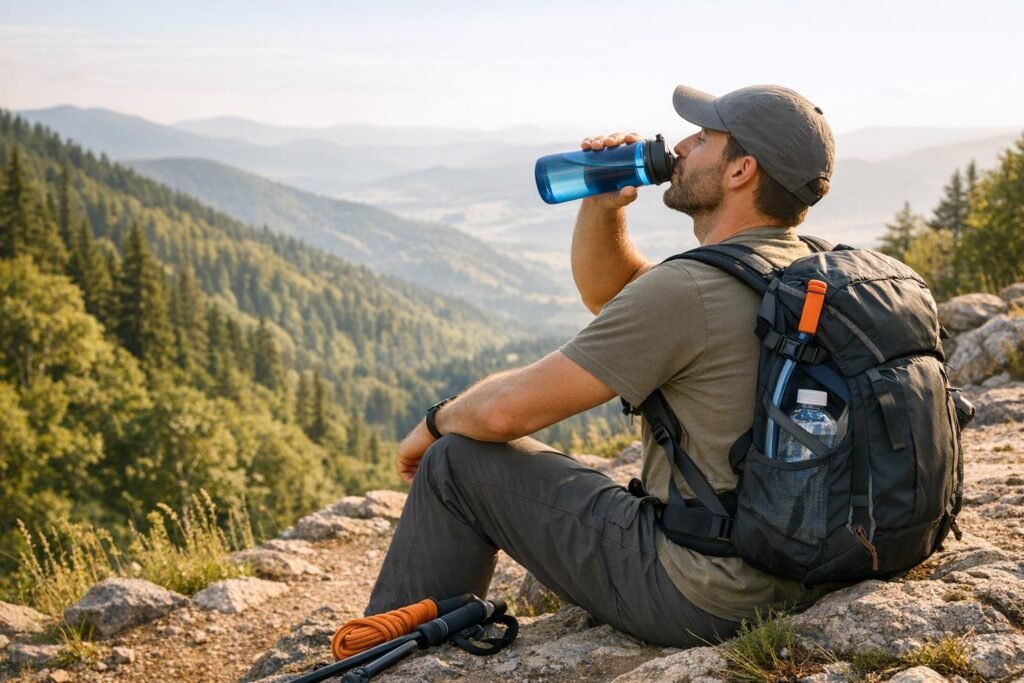
Stay Prepared with a Hiking Hydration Calculator
Planning a hike is exciting, but one detail you can’t overlook is how much water to bring. Dehydration on the trail can turn a great day into a dangerous one, especially in hot weather or on challenging terrain. That’s where a tool to estimate your water needs comes in handy. It helps you pack smart by considering factors like how long you’ll be out, the difficulty of the hike, your body weight, and even the forecast.
Why Hydration Matters for Hikers
Water keeps your energy up and your body functioning, whether you’re tackling a quick loop or a multi-day trek. Without enough, you risk fatigue, headaches, or worse. A personalized estimate tailored to your specific outing can make all the difference. Beyond just carrying a bottle, think about electrolyte packets or a filtration system if you’re near natural water sources. Preparation is everything in the outdoors, and knowing your hydration needs is a simple step that pays off. So before you lace up your boots, take a moment to calculate what you’ll need and hit the trail with confidence.
FAQs
How accurate is the Hiking Hydration Calculator?
This tool provides a general estimate based on standard hydration guidelines, like needing about 0.5 liters per hour for moderate activity, adjusted for factors like weight and weather. Everyone’s body is different, though, so personal needs can vary. Always listen to your thirst cues and pack a bit extra if you’re unsure about water sources on the trail.
Why does hike intensity affect water needs?
The harder you’re working, the more you sweat. A strenuous hike with steep climbs or a fast pace burns more energy and causes greater fluid loss compared to an easy stroll. Our calculator factors this in to bump up the water estimate for tougher treks, helping you stay hydrated when your body’s working overtime.
Should I carry all the water I need for a hike?
It depends on your route. If you know there are reliable water sources like streams or refill stations, you might carry less and plan to top up. But in remote areas or during hot weather, it’s safer to bring the full amount our tool suggests—plus a little extra for emergencies. A good hydration pack or reusable bottle makes carrying easier.