

Seeing the world through a new lens can be a disorienting and eye-opening experience, to put it mildly. Especially when considering the array of new experiences, cultural differences, and, depending on where you go, the challenge of communication.
You may find yourself having a grand time or simply thriving amidst the chaos. Regardless of your preferred method, having at least some idea of how to navigate your new surroundings will require planning and preparation.
The exact amount of preparation you want to take can vary depending on how far out of your comfort zone you intend to go. Still, there are a few choices that will ring true regardless of where you find yourself going. For instance, catering the trip to your specific desires, or those of your family and friends, seeking out how much you want to spend, and even something as basic as what to bring – these are the nitty-gritty details. More will allow you to sculpt the ultimate trip.
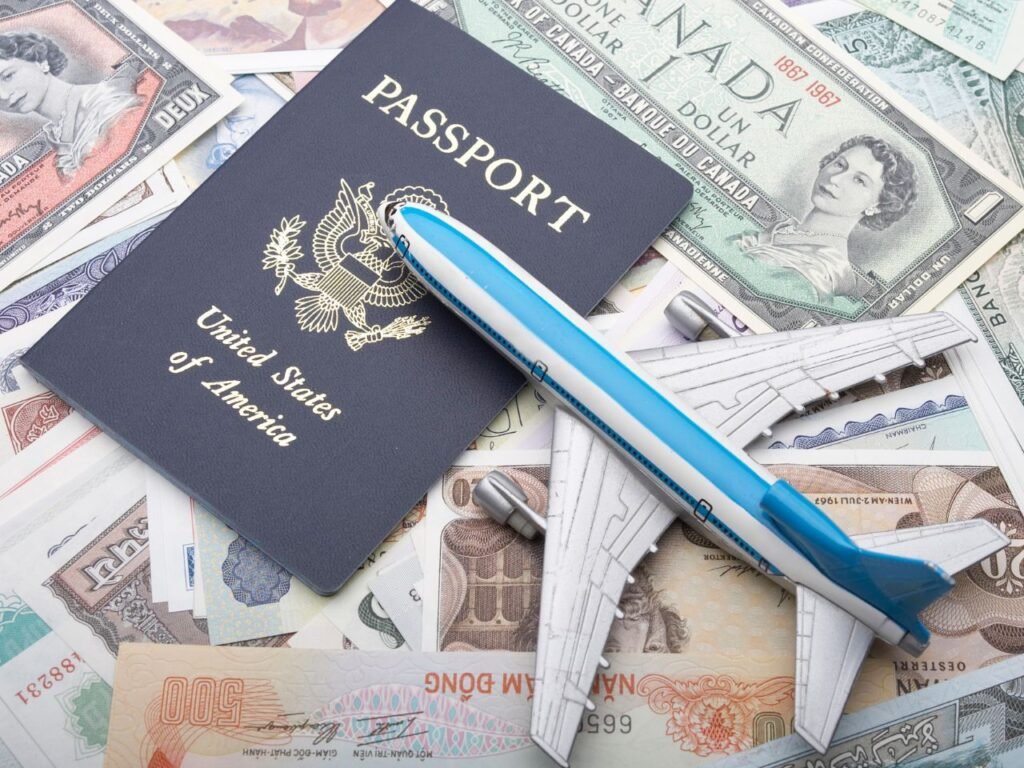
Things to Know Before You Travel Internationally
Taking a little time to familiarize yourself with the culture, some common phrases, and even specific customs (especially those deemed disrespectful) would be incredibly wise before heading out to your desired location. Few people want to stand out like a sore thumb, and even fewer wish to be shunned by an entire society for a fundamental mistake. Take a moment to gauge the expectations of a traveler and chart a path accordingly, depending on your destination.
Step 1: Decide What You Like to Do
Decisions, the grand divide, and what makes those more hesitant of heart quake in fear. This is one of the most pivotal parts of your trip, as it serves as a compass or even the foundation of the entire trip itself.
You can opt for a very open-ended approach and discuss what you personally enjoy doing. In almost any setting, for example, food is a massive deal to some people. To that end, hitting the most exclusive or reclusive places in their new surroundings in hot pursuit of unique cuisine can be the entire point of the trip. Other people prefer activities like sightseeing or getting to know the locals. Regardless, this choice will allow you to set your own destinations.
Step 2: Decide Where You Want to Go
Keeping in step with the above, these destinations will serve as the guidestones on your journey. This will allow you to define resting places, locations to refuel, restock on food, or chart your progress in conjunction with your destination. When used purposefully, every stop on your journey can have a purpose, making the entire adventure feel smooth and relaxed.
Alternatively, you can select a handful of non-negotiable spots that you must visit, regardless of the order. This allows you and your companions to aimlessly wander about, taking in the sights with a bit of whimsy until you naturally make it to your desired spot. This method of traveling is fantastic for those of us with free spirits who are honestly looking to create “Unscripted” memories and live in the moment genuinely.
Step 3: Figure Out a Traveling Budget (And Stick With It)
Even when partaking in a travel style as humble as backpacking, it’s crucial to have a clear budget for your trip. For those with financial savvy, determining how to allocate a specific amount of this overall budget daily can help ensure you don’t overspend or find yourself going hungry. Discipline in budgeting is where savvy travelers shine, and if you’re not traveling alone, being open to someone holding you accountable can be a wise choice.
Discipline is truly where those with the ability to maintain a particular traveling budget shine. If you aren’t traveling alone, this leaves the portion of the journey in more capable hands, which might be the ideal choice. This does not necessarily mean you hand over your credit card and money to a friend, but being open-minded when someone is attempting to hold you accountable should you find yourself wanting a few more keepsakes than actually necessary.
While this may come as a surprise to some, this travel budget covers every aspect of the trip, not just your flight and accommodations. For example, you’ll want to have a base idea of how much you also intend to spend on your method of transport. Those restaurants we spoke of earlier might be a bit pricey; perhaps you’d like to indulge in some luxurious activities or enjoy some casual shopping.
All of these choices and expenses do add up. They will provide you with a total, which will equate to your travel budget. If you set the exact amount, figuring out the minor details of your visit will become easier, and the process will become noticeably more so as the budget nears its end. You need to get creative to accommodate other things you’d like to do and see.
Step 4: Set Your Traveling Dates
Planning your travel dates well in advance can bring significant benefits. Not only can it save you money by avoiding last-minute price hikes, but it also allows for better coordination with work and personal commitments, ensuring a smoother pre-travel preparation process.
Aside from saving you money, it would also allow you to give your job notification of when you’ll be going on vacation (pivotal if you intend on having that same job when you return!), and gives you the mental clarity to notify friends and family of additional accommodations you might need at home, things like getting plants watered, pets fed and visited, and general house keeping stuff you won’t be able to do whilst traveling abroad.
While looking into travel dates, another fascinating possibility you could look into, would be organizing the trip when specific festivities, festivals, or even naturally occurring events are going on, for example, if you are planning to visit Japan, instead of taking in all of the exquisite sites during a normalized visit, you can go for something slightly more glamorous, like orchestrating your visit during the height of the cherry blossom blooming season.
Having the ability to consider options like this can significantly enhance the experience of your trip and add even more memorable moments than previously thought possible, making for cinematic selfies and potentially romantic highlights.
Step 5: Secure Travel Insurance
Don’t overlook the importance of travel insurance. It’s a safety net that can protect you from unexpected events during your trip, providing you with peace of mind and allowing you to fully enjoy your travel experience. The age-old mantra of “Don’t be a negative Nancy” might feel like it applies to traveler’s insurance. Still, this train of thought will quickly leave you, should you find yourself facing an unexpected medical emergency, or have your valuables stolen or lost in transit.
Taking a few extra precautions to clear your mind of the hypothetical negatives of a trip will give you the flexibility and ability to breathe if something tragic were to befall you. However, it’s imperative to do some research on what the insurance you are getting actually covers, both in terms of raw value regarding items that are lost or taken, and how much coverage you have in the event of finding yourself injured.
Specific insurance packages may seem like a straightforward way to rob you without being there when needed, which is why you need to review the details of these plans with a fine-toothed comb. Still, some of your best bets would be to go with traveler insurance packages that are highly recommended by other travelers and have been around for a long time, without relying on social norms or influencer endorsements to boost the visibility of an otherwise unappealing coverage plan.
As a final bit of advice, you’ll also want to check for the timeframes (if there are any) when the coverage is active. Not all traveler’s insurance packages provide 24/7 access to benefits, which seems ridiculous. Still, it is definitely possible, so read up or regret it!
Step 6: Buy Plane Tickets
Insert generic, “Boy, are my arms tired!” joke here, but puns aside, plane tickets can sometimes be a vast majority of the overall trip’s expenses. To that end, you’ll want to utilize every trick in the book to make the tickets as affordable as they naturally can be without cutting corners and getting yourself entangled in negotiations between a travel agency and your actual flight provider, as that is a headache no one deserves.
The process of buying plane tickets themselves is pretty straightforward, even for those who’ve never actually flown before, but the intricate knowledge that is required when shopping comes into play when you start giving yourself those same hypothetical scenarios we spoke about earlier.
As a fine example, consider the time frames for both arrival and departure, alongside the reality of when you’d need these details to overlap with things like getting a rental car or hiring a taxi to take you to the specific hotel you want to go to.
If you are supposed to catch a flight at 8 AM, but you obviously need to be there several hours earlier (you know, for making sure the gate to the plane exists), you’ll be leaving the door at 6 AM, but waking up closer to 4 AM to get yourself mentally prepped and ready to go.
Alternatively, arriving incredibly late at night does not mean you can get the delightful rental car you paid so lavishly for, so your only option to make it to your hotel is an unexpected taxi fare, which’ll fit nicely into your travel budget.
Step 7: Decide and Book Accommodations
Speaking towards that hotel of choice, accommodations are obviously where you’ll be bedding down for the night, and probably getting the only bit of peace and relaxation between sprinting to and from looking for all the things you can experience in the fleeting hours of you being awake (especially if you are experiencing jetlag and other sleep-deprived emotions).
Looking up details on hotels and stays of your choice will obviously give you a glimpse into the quality of these establishments, but never take the first few (high-voted) comments at face value. Scroll around and look at some of the worst comments, and hedge your bets against them. If the worst comment you read is an experience you couldn’t imagine facing, you may want to seek shelter elsewhere.
Location also plays a vital role in how you experience your vacation or travelling experience. A budget hotel that is an incredible distance from any major city or main attraction might not be saving you as much money as you’d like to believe.
While you are thinking about cutting corners on cost, ask yourself what additional benefits the accommodations themselves are providing that give you that feeling of “home” in creature comforts, things like a breakfast being included with the stay, (being very budget friendly), including WiFi, maybe even allowing you to take a relaxing dip in the pool at the end of the day.
All of these are important choices and details you’ll want to explore before clicking the checkout button, especially if you want to make the most of your trip and avoid being taken advantage of by hotel agencies.
Step 8: Figure Out What Activities You Want to Do
Part of the joy of traveling to new locations is engaging in activities you either don’t get to enjoy very often or partaking in activities you absolutely adore in places you otherwise couldn’t imagine. If you are an outdoor enthusiast, for example, hiking in terrain and scenery that is entirely foreign to you could be a lifelong dream, especially when taking in breathtaking views of nature, or changes in animal life that you’ve never seen.
Obviously, not everyone is born with a green thumb and a strong affinity for nature. Some people absolutely adore looking at the marvels that humanity has created, catching a fleeting glimpse at some marvels that have stood up brilliantly to the test of time itself (here’s looking at you, the Grand Colosseum of Rome!).
Hot spots like these will allow you to make a chain of travel between the airport you arrived in, the hotel you are staying at, and certain places and activities you’d like to do or visit, painting a very nice idea of what the actual vacation will look like, with room for places to eat, and other spur of the moment choices dotted between.
Step 9: Learn Some Phrases in the Local Language
Assuming for a moment your language of choice isn’t native to where you are going, or spoken commonly, you’ll want to educate yourself in some of the most important phrases that you’d need to ask, both in an emergency, and to get yourself situated.
Naturally your mind might gravitate towards things like “Where is the restroom”, “Where can I get food”, Where can I get water”, and other questions that ring true regardless of who you are, or where you are from, but modern questions have a valuable place in today’s travel experience to, “Where can I get access to the Internet”, “Where can I charge my phone”, and other commonplace questions can also be worth remembering.
Necessities being besides the point, there are several times when going out of your way to learn the tongue of another part of the world will get you some brownie points, often in the form of the locals wanting you to experience more of their culture by way of treat, or appreciating the effort you put in, even if the pronunciation was abysmal at best.
Step 10: Pack for Your International Trip
Regardless of whether you are the kind of person who deeply enjoys playing real-life Tetris in your car or someone who detests the thought of even putting away groceries, packing for your trip is something you’ll want to do before leaving, unless you intend on literally throwing money at every turn.
One of the easiest ways to make a harrowing ordeal simpler is to organize it as much as possible, creating separate lists for various categories, such as clothes, food, cards, cords, and any other items that can be categorized. If you have the time, everything can be organized. In doing so, you can make storage and location an almost mindless activity with a bit of practice.
Another benefit about packing with intent before leaving means you’ll be much less likely to forget something you thought you’d never leave home without, and you’ll be able to fit much more into your suitcases and backpacks when you have a vague idea of what you’ll be bringing, and how it lines up with other bits and bobs you intend on dragging along too.
As far as specifics on what to bring, knowing things like the weather, how far you’ll be trekking on foot, and even something as trivial as whether or not the pillow they have in your hotel will be to your liking can make all the difference when it comes to enjoying your trip or regretting it.
Step 11: Travel!
Now that you’ve got the core understanding of what you should bring, what to look for price-wise, as well as how to plan accordingly, not to break the bank, you are fully equipped to seek out your next destination with at least a bit more confidence. There are obviously things that will be learned on the fly, but don’t stow away the enthusiasm you garnered reading this. Start marching towards your next vacation; you deserve it!

What Are Some First-Time Traveling Tips to Know?
Setting unrealistic expectations for your trip is a surefire way to be disappointed, just as not checking the legal requirements for getting to the location you’ve got in mind. Certain places require significantly more documentation for driving than you may be accustomed to. Similarly, other cultures may not be as welcoming to people of specific skin colors or lifestyles, so conducting some research before opting to visit any particular location is essential.
Aside from not zeroing in all of your enthusiasm on getting the entire trip planned to go a specific way, being flexible and ready for things to go awry, and slightly leaning into the chaos of things will let you shrug off potentially disheartening situations far easier, and make the best of a bad, or at the very least, unexpected situation. Ultimately, these circumstances can lead to some of the most memorable parts of the journey itself, and the personal growth that comes from overcoming these challenges can be invaluable to one’s development as a person.