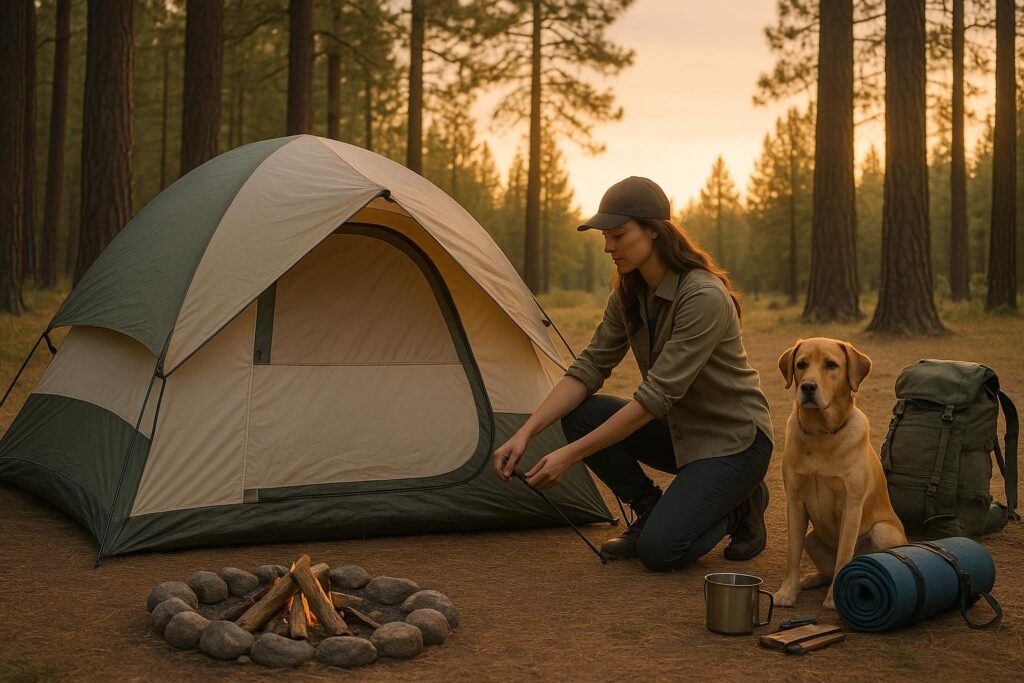
Camping solo can be a transformative experience, offering an opportunity to connect deeply with nature, build confidence, and enjoy unparalleled freedom. However, for many women, the idea of heading out alone can feel daunting, especially with safety and logistics to consider. Drawing on years of experience and wisdom, this article provides a comprehensive guide to help women overcome common concerns and embrace their solo camping adventures with enthusiasm and preparedness.
Whether you’re completely new to solo camping or looking to elevate your confidence on the trail, these insights will equip you with practical tips and strategies to make your trip safe, enjoyable, and empowering.
Why Solo Camping?
Solo camping is much more than just an outdoor activity – it’s a journey toward independence, resilience, and joy. Stepping into the wilderness alone allows women to reclaim their confidence, immerse themselves in childlike wonder, and escape the chaos of daily life. While it may seem intimidating at first, with thoughtful preparation and a few strategic tips, solo camping can become one of the most enriching experiences of your life.
1. Prioritize Safety Before You Go
One of the most common concerns about solo camping is personal safety. The video emphasizes that the key to staying safe begins long before you even leave for your trip.
Actionable Steps:
- Identify Your Fears: Ask yourself, "What am I most worried about?" Once you name your fear, plan how to handle that specific situation.
For example, if you’re worried about someone approaching your tent at night, you could:- Carry safety items like a birdie alarm, pepper spray, and a sturdy flashlight.
- Choose campgrounds with other campers nearby for added peace of mind.
- Bring along a dog for companionship and extra security.
- Plan Ahead: Research your destination thoroughly. Look into campsite reviews, safety ratings, and nearby amenities. Preparation is your best defense.
The big takeaway? There is no one-size-fits-all solution; the right approach is what makes you feel secure.
2. Ease Into Solo Camping with Baby Steps
For first-time solo campers, taking gradual steps can make all the difference in building confidence. Jumping straight into remote, isolated areas may not be the best starting point.
How to Start Small:
- Camp Close to Home: Try camping in your backyard or on a friend’s property. This gives you a chance to get used to the process in a controlled environment.
- Choose Well-Populated Campgrounds: Opt for a busy local campsite where you’ll have others nearby. Many campgrounds have a "community feel" without being intrusive.
- Inform the Camp Host: If the campsite has a host, introduce yourself. Letting someone know you’re camping solo can provide an added layer of reassurance.
Over time, as your confidence grows, you can explore more remote and adventurous locations.
3. Finding the Perfect Campsite
Locating a campsite that fits your needs requires a mix of preparation and adaptability. The video suggests a two-part approach: researching in advance and staying flexible on the road.
Pre-Trip Research Tools:
- Websites like The Dyrt, Hipcamp, and Recreation.gov are excellent for finding and reserving campsites.
- Use Google Maps to scout state parks or national forests near your destination.
- Paper maps are invaluable for remote areas where cell service may be unreliable.
On-the-Road Flexibility:
Even with a plan, leave room for spontaneity. Spend time each morning or evening exploring options for your next stop. Apps like Hipcamp (think of it as Airbnb for campers) can help identify last-minute options, especially in lesser-known areas.
4. Keeping Your Belongings Safe
It’s natural to worry about leaving your gear unattended while exploring during the day. However, most campgrounds foster a culture of respect and trust.
Tips for Gear Safety:
- Leave Visible Signs of Occupancy: Keep your tent set up and leave out a chair, cooler, or other belongings to show your site is occupied.
- Inform the Camp Host: Mention casually when you’ll be away for the day. They’ll often keep an eye out for you.
- Use Common Sense: Avoid leaving valuables like wallets or electronics in plain sight.
The reality? Most campers are focused on their own adventures and unlikely to disturb your site.
5. Setting Up Your Campsite: Practice Makes Perfect
Worried about setting up a campsite solo? The good news: it’s easier than you think, especially with a little practice beforehand.
Preparation Tips:
- Practice at Home: Set up your tent and gear in your backyard before your trip to familiarize yourself with the process.
- Invest in Easy-to-Use Gear: Modern tents, like the Napier SUV tent mentioned in the video, are designed for quick solo setup.
- Set Up in Daylight: Arriving early ensures you have plenty of time to get everything in order before dark.
On average, an experienced solo camper can fully set up their site (tent, bedding, lights, etc.) in about 30 minutes or less.
6. Camping with Your Dog: A Trusty Companion
If you’re camping with a four-legged friend, planning for their needs is just as important as your own. Dogs not only provide companionship but can also enhance your sense of security.
Food and Logistics:
- Freeze-dried dog food is a game-changer for camping. Lightweight, easy to pack, and nutritious, it eliminates the need for heavy coolers or refrigeration.
- Plan for your dog’s exercise and safety. Let them enjoy the outdoors but keep them leashed in busy areas.
Key Takeaways
- Safety First: Address your fears head-on and plan for the unexpected.
- Start Small: Build confidence by beginning with nearby, well-populated campsites.
- Research Wisely: Use tools like The Dyrt, Hipcamp, and paper maps to find great campsites.
- Trust Campground Etiquette: Most campers are respectful, so don’t stress excessively about your belongings.
- Practice Setup: Familiarize yourself with your gear at home to make the process seamless.
- Bring a Dog: They’re a loyal companion and an extra layer of security.
- Stay Flexible: While planning is vital, leave room for spontaneity and adaptation.
Conclusion
Solo camping is an empowering experience that allows you to connect with nature and yourself on a profound level. With preparation, baby steps, and a willingness to adapt, you can overcome the challenges and fears that may initially hold you back. Remember, every trip you take builds confidence, making the next adventure even more magical.
So, whether you’re pitching a tent for the first time or refining your solo camping routine, the wilderness is waiting for you – get out there and make it your own. Safe travels!
Source: "6 Solo Woman Camping Questions (What you really need to know)" – WonderBingTravel, YouTube, Aug 5, 2025 – https://www.youtube.com/watch?v=HcxH6MMdWcA
Use: Embedded for reference. Brief quotes used for commentary/review.