
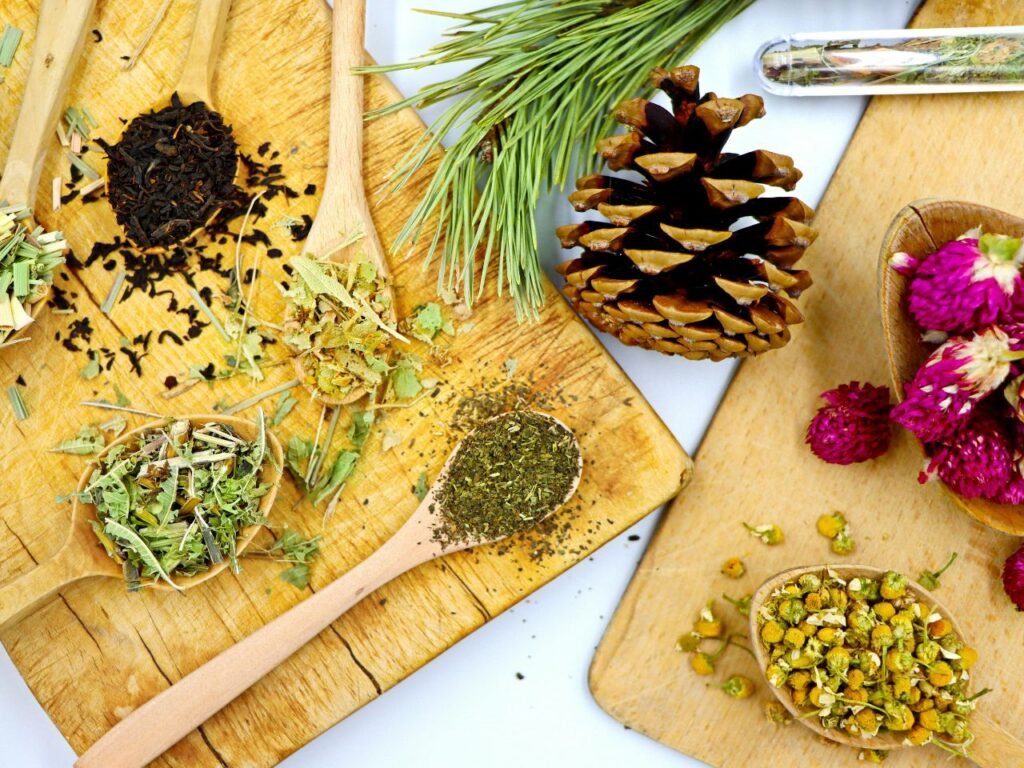
Going on an adventure can mean different things to various people. However, if you have come to this website, you are most likely looking for an adventure in the great outdoors.
In this particular case, you might be about to venture off backpacking for several days or go on a weekend camping trip with some of your best friends (or family). Regardless of what you are doing, it is imperative to be prepared for the unavoidable during your journey.
Some unavoidables might be as simple as forgetting something before packing up or, in this case, any sickness or injury that may occur. What are some of the best first aid herbs to bring with you during your adventure? Why, you have come to the right place!
The best first aid herbs are too much to write in a small paragraph, but herbs that will help with bug stings, have soothing properties, or help with a fever are the best kinds to have. It is essential to make sure you are not allergic to any of these herbs before bringing them out with you, so add a small amount to your hand to check for any allergic reaction.
Also, if you know a lot about foraging and plant identification, you can gather some of these herbs outside. Still, it is imperative to make sure you know exactly what you are picking before randomly picking a plant that might be poisonous or cause an allergic reaction.
In this article, we will discuss what each medicinal herb does, how you can acquire some of these herbs, and what the best ways are to take them. It is important to note that although herbs are an excellent choice to bring along on your journey, we still recommend bringing medicine and other first-aid supplies to ensure you have everything you need. Without further ado, continue reading for the ultimate guide on first aid herbs!
How Should You Use Herbal First Aid?
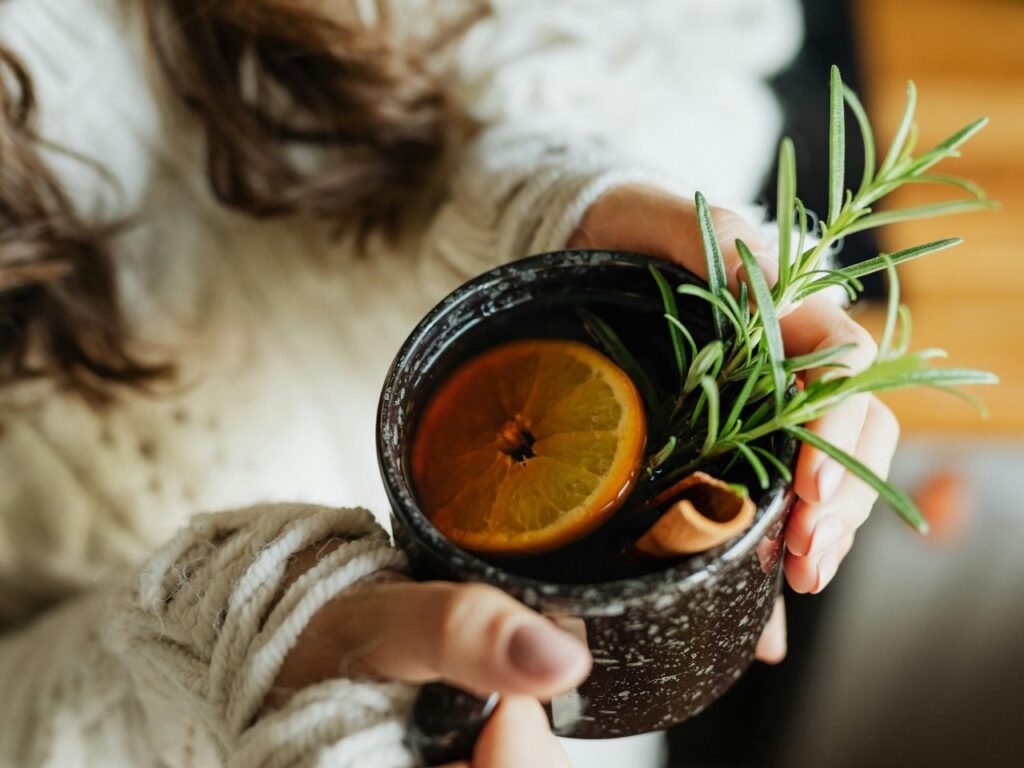
There are many ways you can use herbal first aid, but the most important thing to remember is that you should use herbal first aid mainly when there is an issue that you need help with, like with headaches, scrapes and bleeding, colds and coughs, burns, and bug bites.
Alternatively, you can use some herbs daily. For example, if your hands are constantly dry, use an aloe vera and chamomile salve for soothing and hydrating properties. Another example might be taking a specific tincture or capsule for overall wellness each day, especially when you are out and about and want to ensure you remain healthy throughout your trip.
What Are the Best First Aid Herbs for the Great Outdoors?
There are many wonderful first-aid herbs you can use during your outdoor adventure. However, we recommend only a select few due to the potency and effectiveness of some of these herbs. One thing to consider is making sure you have enough space for your herbal remedies before taking a bunch of them at once. On top of this, it is essential to ensure you are using the herb correctly and in the most effective way possible. We will discuss these things below.
1. Echinacea
The first medicinal herb we will discuss today is echinacea. You can use this powerful herb for various purposes, such as treating skin conditions like eczema or irritation. You can also apply it to clean wounds to help prevent infections.
Speaking of, ingesting echinacea also supports your immune system during an illness and helps fight off any infections your body might be undergoing. You can take this herb as a tincture, tea, pill, or capsule, or use it in a salve or cream.
Lastly, it is essential to note that although echinacea is considered safe for most people, it can cause some allergic reactions for those who are allergic to the daisy family. You may experience common side effects like stomach pain or nausea, so make sure you consult with your healthcare provider beforehand, especially if you take regular medication.
2. Broadleaf Plantain
Broadleaf plantain can be found in almost any part of the world. Because of this, you can efficiently harvest it and use it to help fight infections, reduce inflammation, promote wound healing, and aid digestion. On top of this, broadleaf plantain is excellent at relieving discomfort from bug bites.
You can consume this plant as a whole, but if you go out foraging, make sure the area isn’t regularly sprayed with herbicides or pesticides. On top of that, make sure you thoroughly wash the plant first. Lastly, you can use broadleaf plantain topically (like on a bug bite) and in teas and infused oils.
3. Calendula
Calendula is a very beneficial herb due to its many health benefits. You can use calendula in various ways, including tinctures, creams, teas, infused oil, powders, or by adding the flower directly to soups, salads, and other edible dishes.
This specific herb contains antioxidant, antifungal, and antibacterial properties. It can inhibit the growth of particular fungi and bacteria, making it an excellent choice for treating infections. Also, calendula may be used for wound healing and to increase your collagen levels, which are necessary for skin repair.
4. St. John’s Wort
For those who get anxious or are going through mild or moderate depression, St. John’s Wort is one of the best herbs you can take during those times. Although it is beneficial during those anxious and stressful times, when applied topically, it can help alleviate wounds, bruises, and burns.
It is essential to know that St. John’s Wort is considered safe when taken for the short term. However, some side effects of this herb might be increased sensitivity to light, dry mouth, fatigue, or dizziness. In this case, when ingested orally, it is best to do so in the evening. Many people use this herb in teas, capsules, tablets, tinctures, creams, and oils.
5. Garlic
Garlic is not necessarily considered a herb, but is classified as a vegetable in the Allium family. However, suppose you are going on a weekend trip in the great outdoors. In that case, you will still need something to season your food with! Why not utilize garlic for its health benefits as well?
Garlic is excellent for many reasons. The biggest thing garlic is known for is its health benefits. Garlic offers powerful immune support thanks to its antimicrobial properties.
It is also a superb cholesterol management and reduces blood pressure. On top of this, garlic helps detox the body and promotes liver health. Overall, you cannot go wrong with garlic, except maybe bad breath!
Although you can mostly ingest garlic, you can also use it as a salve, believe it or not! However, one of the best ways to use garlic and reap its health benefits is to make garlic honey or purchase some.
6. Arnica
Suppose you are having a great old time and end up hurting yourself really badly, resulting in a large (or small) bruise. In that case, you will need something to help reduce any inflammation your body might have. On top of this, arnica is used for joint pain as well.
It is important to note that arnica is not safe to consume because it contains a toxin called helenalin, which is poisonous in large doses. That is why it is imperative never to take this herb orally. However, if you purchase a gel or make your own salve, it is entirely safe to apply to any inflamed area of your body.
7. Thyme
You can find thyme in almost every store, fresh or dried. This herb, while a magnificent seasoning for your favorite dish, can also be used for its health benefits.
Thyme contains anti-inflammatory, antioxidant, and antimicrobial properties. It helps lower blood pressure, fights acne and eczema, and may help with respiratory issues. On top of this, thyme helps with digestive problems like gas and bloating.
This herb is best used in cooking, as a fresh or dried herb, in teas, or as an essential oil (which should only be applied topically). Alternatively, you can make a thyme gargle solution to reduce bacteria in your mouth, which may be perfect if you do not have access to much running water.
8. Lavender
One of our favorite herbs for use in the wilderness, lavender has many beneficial properties, including enhancing your mood, helping you sleep better, relieving pain, and being excellent for your skin and hair. Not to mention lavender smells wonderful.
You can utilize lavender in many ways. If you are looking to use it medicinally, you can infuse dried lavender into oil and use it topically for dry skin or bug bites.
Alternatively, lavender essential oil is excellent when applied to the affected area. You can use it in teas and tinctures as well. The uses of lavender are essentially endless!
9. Peppermint
For those who want an extremely affordable and accessible herb, peppermint is one of the best go to’s. Peppermint is an excellent herb to use if you are struggling with digestion.
You can put a little bit of peppermint essential oil on your forehead, temples, and the back of your neck to relieve headache symptoms. It is important to dilute with a carrier oil before applying it to your skin due to its potency.
Peppermint is also well known for relieving respiratory issues, freshening your breath, and relieving menstrual cramps due to its muscle-relaxant properties.
Just like lavender, you can use peppermint in almost anything. It is important to note that if you are pregnant or breastfeeding, you should use it in moderation or avoid it altogether.
10. Yarrow
This particular plant is perfect for those with fevers who need them reduced, as it promotes sweating. On top of this, it can help treat wounds and reduce inflammation, and it is effective in alleviating digestive symptoms such as intestinal muscle spasms and irritable bowel syndrome (IBS).
Yarrow is a herb that grows in many places, including open forests, grasslands, and along roadsides. The biggest thing to note about yarrow is that there are two look-alike plants. One is poison hemlock, and the other is wild carrot, or Queen Anne’s Lace. It is essential to make sure you can distinguish the three before foraging for a random plant that looks like yarrow. Alternatively, you can purchase it online to avoid any confusion.
Once you have the herb on hand, you can infuse it in oil, create a herbal salve, ingest it in tinctures and teas, and more. It is important to note that some people may be allergic to yarrow, so consult your healthcare provider before ingesting it.
11. Comfrey
Comfrey is another good herb to bring while camping or hiking (or just being outdoors) due to many reasons. However, one of the biggest things it is known for is tissue repair. When applied topically, it can help heal minor injuries such as sunburn, bruises, and cuts.
On top of this, comfrey is a great pain reliever and an excellent choice for muscle and joint support. It is essential not to take comfrey orally due to the risk of liver damage, but it is considered safe when applied topically.
12. Rosemary
Despite rosemary being excellent in the culinary world, it has many outstanding benefits that you might find interesting to bring while out and about.
The first advantage is that rosemary is excellent for memory, so if you take it with a tincture, you might find yourself remembering things that you might have forgotten.
Another thing rosemary is known for is improving your mood. If you are having a hard day, rosemary would be perfect for those who are stressed and have depression. Rosemary has antimicrobial properties that help lower the risk of infections. Lastly, this herb also aids digestion, so if you are feeling bloated or have no appetite, drink some rosemary tea.
13. Aloe Vera
Believe it or not, aloe vera is a succulent from the succulent family, which is classified as a herb. It is known for its role in wound healing and for its ability to reduce dental plaque.
Aloe vera also has antibacterial and antioxidant properties that help with multiple digestive issues and skin conditions. It is an excellent herb for treating acne and may help lower blood sugar levels, which may help manage diabetes. Many people use aloe vera topically in gel form or internally with water, juice, or a drink purchased online.
14. Mullein
Mullein’s main benefit is for your lungs, as it helps break down mucus, making it easier to expel. This is great for those with bronchitis, asthma, or the common cold. On top of that, mullein contains an anti-inflammatory compound that reduces inflammation in the respiratory tract and is effective against the flu and pneumonia. You can make mullein oil, tea, tinctures, and capsules.
15. Chamomile
The second-to-last herb we will discuss today is chamomile. This is a perfect herb for soothing anything your body needs. It aids digestion, promotes better sleep, potentially lowers blood sugar levels, and contains antioxidant and anti-inflammatory properties. Many people drink chamomile tea, but you can also use it in herbal salves, essential oils, tinctures, and more.
16. Dandelion
The last herb we will discuss is dandelion! Dandelion offers numerous benefits, including immune and skin health, weight loss, and support for blood pressure and blood sugar.
On top of this, dandelion contains an immense amount of antioxidants and anti-inflammatory properties. Dandelion can be used in teas, tinctures, herbal salves, oils, and much more. You can take dandelion orally and topically.
How Can You Prepare These Herbs?
There are many ways you can prepare the herbs mentioned above. One of the easiest things you can do is purchase them in a salve, tincture, or buy dried herbs and steep them into a tea.
You can also purchase them in capsules and keep them in a pill organizer that’s easily accessible throughout your trip. Lastly, many herbs can be made into powders and extracts that are highly potent to ingest. You can add the powder and extract to your drinks, smoothies, and other foods.
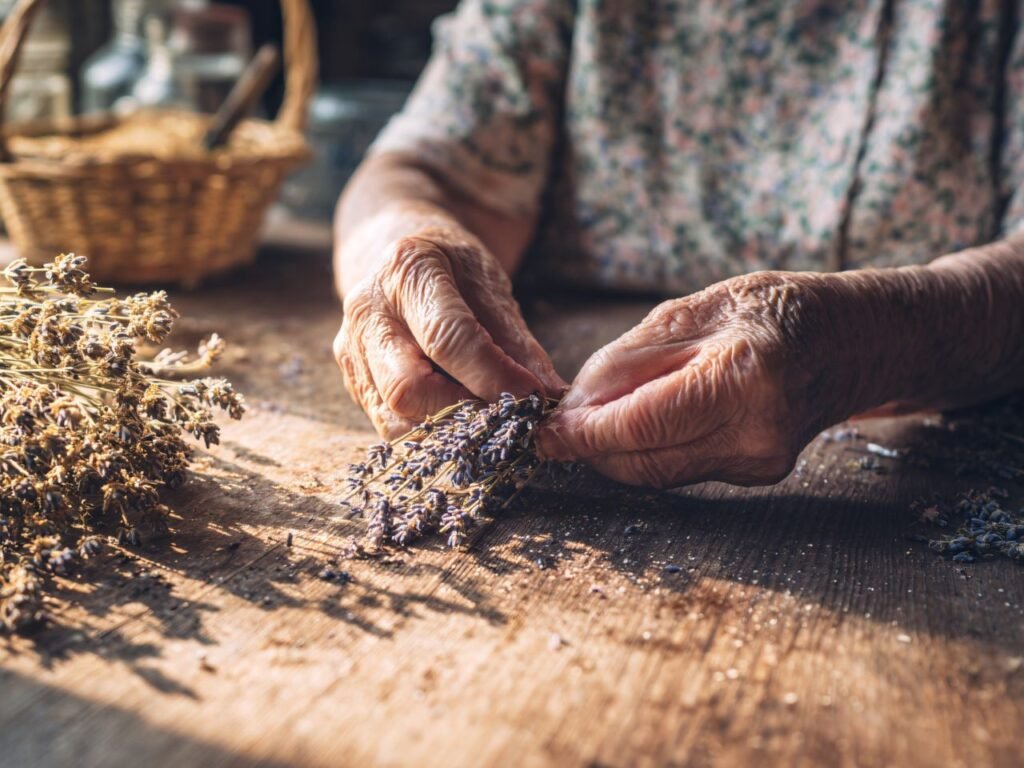
Alternatively, some people love to forage for their own herbs or purchase fresh herbs from a local store. In this case, it is essential to make sure you thoroughly dry and store them properly. You can do this by dehydrating them (which takes several hours to a week), or you can invest in a freeze dryer.
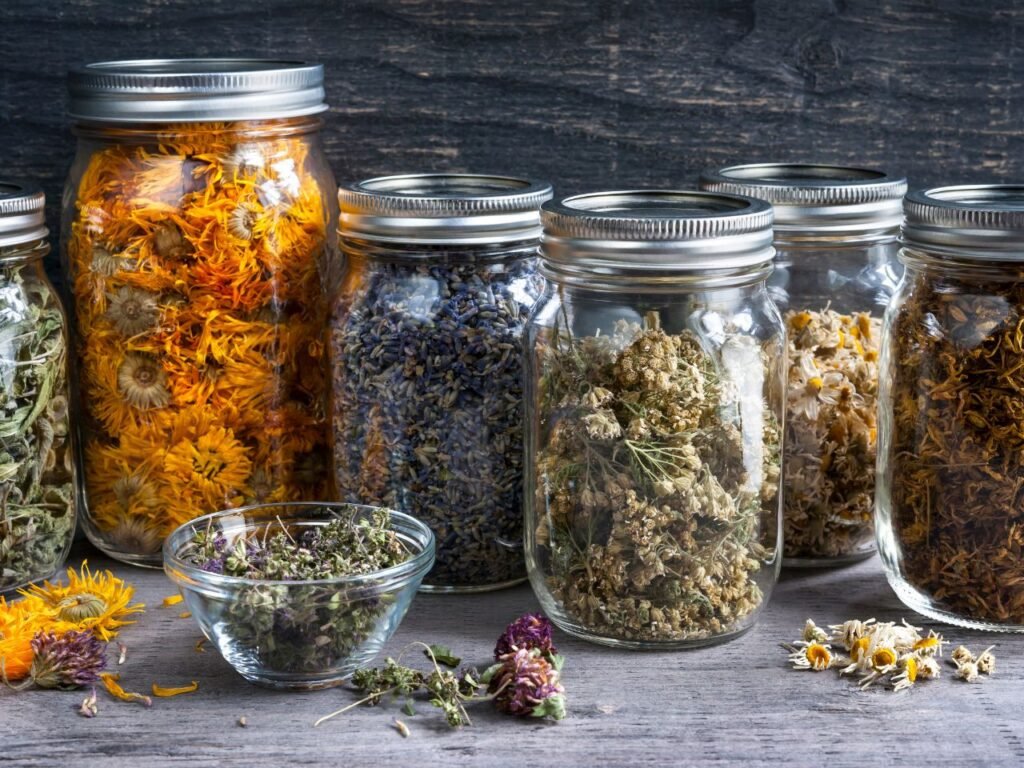
If you decide to dehydrate your herbs, there are several ways to do this. You can purchase a dehydrator or an air-drying rack, or use a hook drying rack. Once finished, you can put most dried herbs into large mason jars or small 2-ounce glass jars, which are perfect for travel.
How to Remain Safe Before Taking Them on Your Journey?
Aside from knowing how to prepare your herbs for travel, there are a few things you need to consider before bringing them all with you. The first thing to understand is that you need to make sure you are not allergic to any of these herbs.
One of the best things you can do is to apply a small amount of the herb on your skin and see if you have an allergic reaction. Other things you can do are a skin prick test and a blood test, which will both determine what you are allergic to.
There is a saying that says there is “too much of a good thing.” In this case, you might have too much of a herb that might do you more harm than good.
Some herbs are meant to be taken only for a bit, whereas others you can take daily. Another thing to consider is that, although herbal remedies are an excellent way to help you out in the wilderness, it is wise to use them sparingly rather than overuse them.
Lastly, if you are pregnant or breastfeeding, it is essential to make sure the herbs are safe to take. Some herbs, like peppermint, will drop your breast milk supply.
Can You Store These Herbs in Your First Aid Kit?
Yes, you can absolutely store herbs in your first aid kit! Thankfully, many first aid kits have many sections that make organizing your kit very easy. We recommend getting an empty medical bag that you can customize and store however you please.
Conclusion
To summarize, there is a wide variety of herbs you can use for first aid while venturing into the outdoors. It is essential to ensure you have a way to make tea with dried herbs, such as a kettle or similar device. Overall, we hope this article has helped you in some way. If you need to learn more about adventuring and first aid, we encourage you to read our other articles for more information!