
What Is the Best First Aid for Bee Stings?
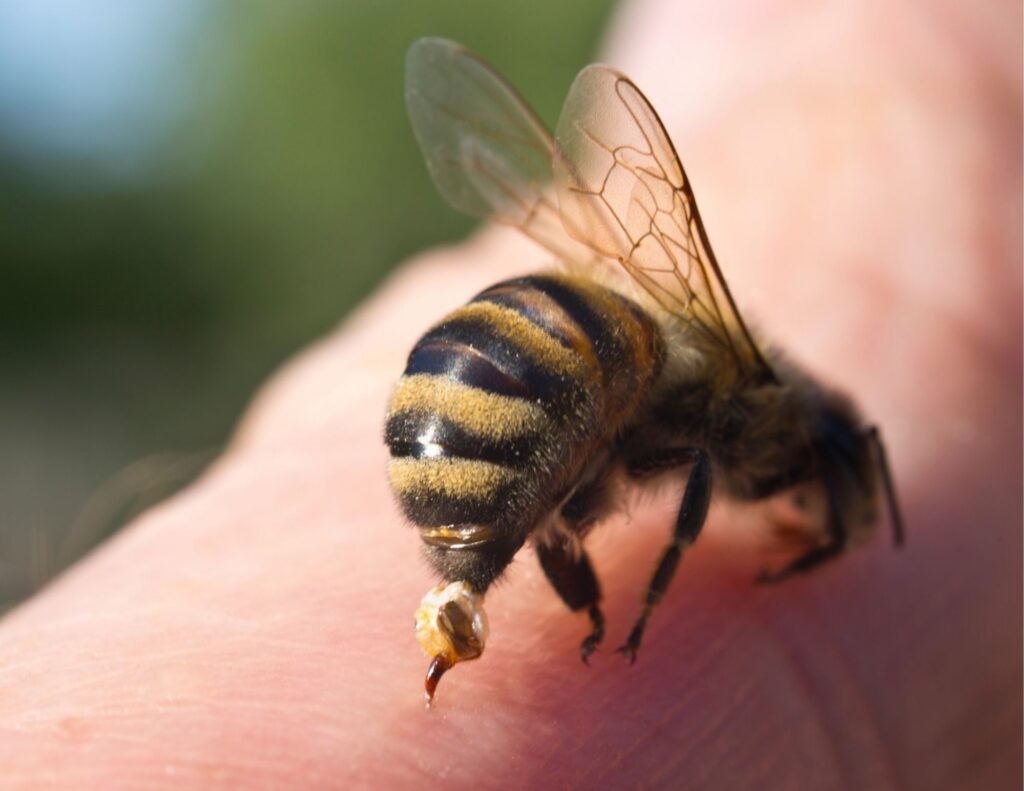
Getting stung by a bee is never on anyone’s to-do list. However, being stung by a bee, regardless of the type, shouldn’t end in panic. More often than not, a bee sting causes only minor discomfort, but for some, the reaction can be more severe. No matter your reaction, it is important to know what first-aid steps you can take for a bee sting. So, what is the best option?
For severe allergic reactions, the first thing you need to do is use a prescribed epinephrine auto-injector, then call 911 right after. However, if you are mildly allergic or only get stung a little, the best course of action is to remove the stinger, wash the area with mild soap and water, then apply ice.
We will cover common bee-sting symptoms and what first aid you can do. If you are camping, hiking, or somewhere away from a town or city, we will also cover what to bring to ensure you are prepared in an emergency. For more information, we recommend continuing to read.
What Are the Common Symptoms of a Bee Sting?
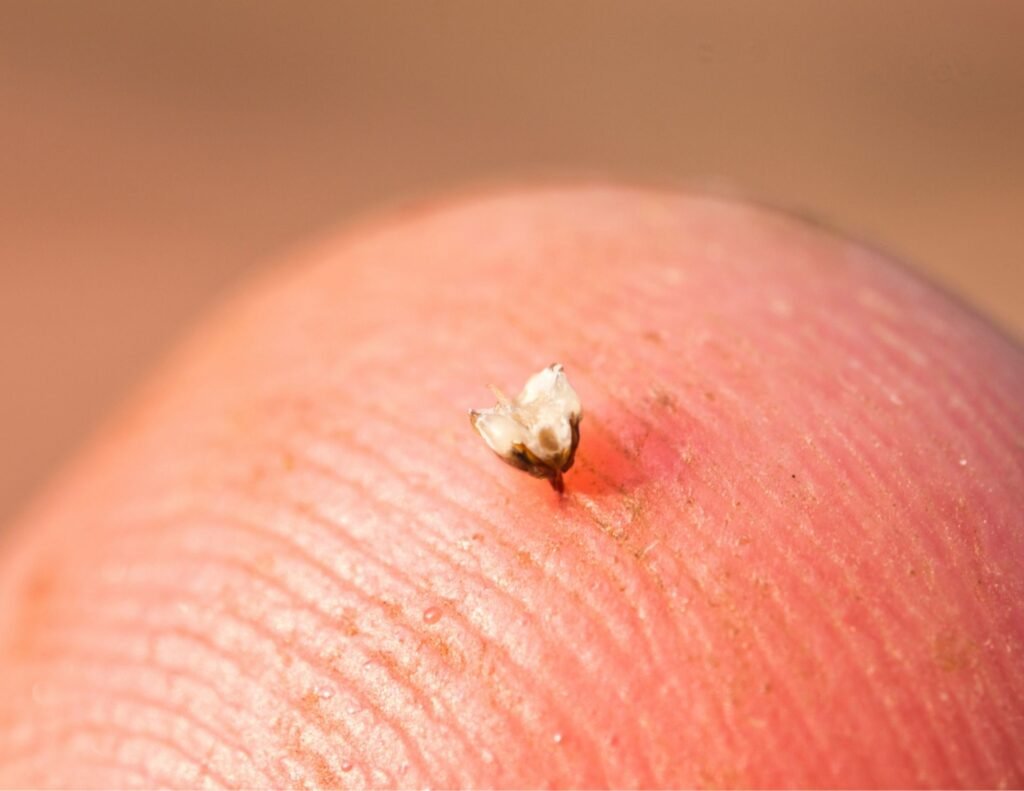
After a bee sting, note any common symptoms that may occur. You may not even realize you were stung until afterward. For example, if you sat next to a tree with a bee on it and put your head back where it was, or if it was already on you and you did something to irritate it, it might have stung you. Either way, knowing what to look for will help you identify the type of bug bite you got, making it easier to treat the wound.
A bee sting usually causes swelling and redness, and you may feel pain ranging from mild to severe. If the pain is mild, you may have minor swelling, redness around the area with a small white mark, or a sharp, burning sensation at the sting site. If the pain is moderate, you may feel itching and discomfort or redness and swelling, which might worsen for the next few days.
If you have difficulty breathing, hives, severe itching, or feel dizzy, seek medical attention ASAP, as these are signs of a severe reaction. We will review more of this below.
Most bee sting swelling peaks within 48 hours, but the timeline varies from person to person. These factors may include your age or overall health, but if you’re unsure how severe your symptoms are, contact your healthcare provider.
What Are Symptoms of a Severe Bee Sting?
Knowing the difference between a mild and severe bee sting is crucial for your safety and the safety of those around you. For example, if you are camping with a school or other group organization, understanding what to do in a severe case can quite literally save your life or someone else’s.
The symptoms of a severe bee sting are as follows:
- Hives
- Dizziness
- Difficulty breathing
- Nausea
- Rapid pulse
- Weak pulse
- Swelling in the lips, throat, or tongue
What First Aid Can You Do for Minor Bee Stings?
Thankfully, a minor bee sting should go away fairly quickly. However, there are a few steps you should take when you have a minor bee sting:
1. Remove the Stinger Properly
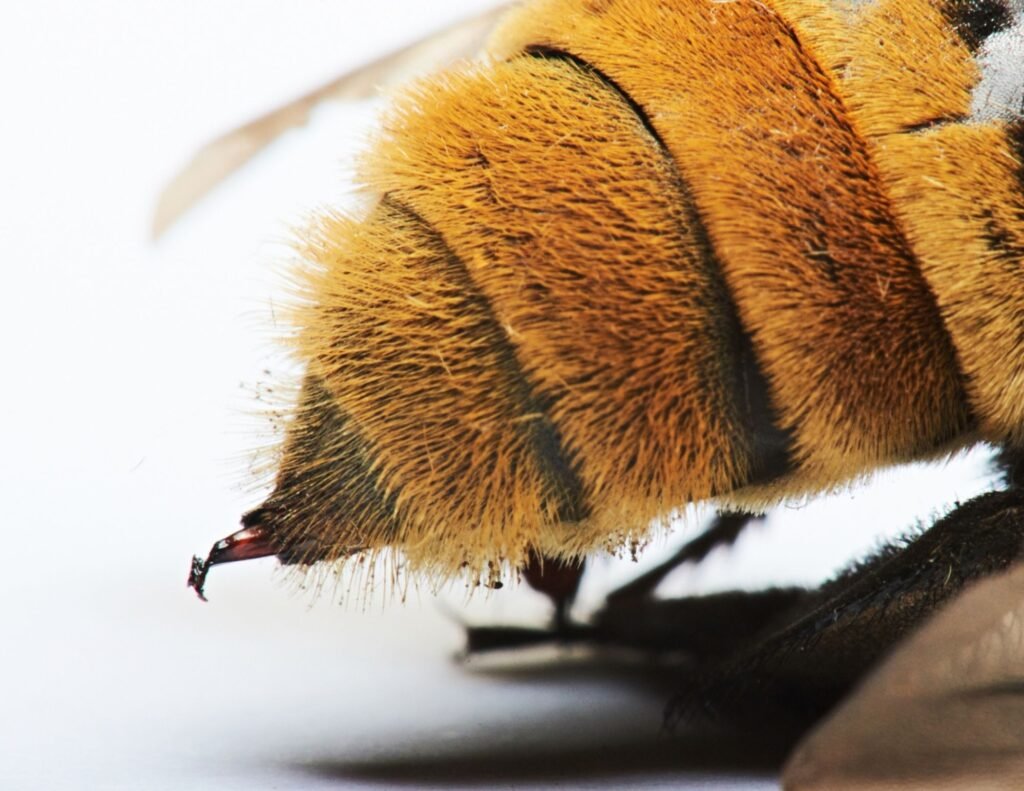
First, remove the stinger properly. This crucial step helps prevent the affected area from becoming more infected. If you don’t remove the stinger quickly, venom can spread throughout the affected area, causing more pain.
Essentially, the longer the stinger remains in the area, the more severe your allergic reaction might be. Once you remove the stinger, symptoms like swelling and redness will begin to subside within a few hours.
To remove the stinger, use something like a credit card, fingernail, or another clean, flat object. A gentle scraping motion helps prevent the stinger from lodging deeper into your skin and spreading venom.
Also, don’t squeeze or use tweezers, as this may squeeze out more venom and make you more uncomfortable. If you are unsure how to remove the stinger, we recommend washing it.
2. Wash With Soap Then Apply Ice
After removing the stinger, wash the affected skin with mild soap, then dry it. After this, apply ice. Never put ice directly on the area; place a paper towel, rag, or similar material between the ice and your skin to protect against frostbite. Do this for 15 to 20 minutes. If needed, apply ice every hour until the swelling goes down. If possible, elevate the area to reduce swelling.
3. Apply Topical Treatments
Several topical treatments can help with a bee sting. Something like Campho-Phenique is great for multiple bug bites, including bee stings. It contains aloe vera, which soothes the affected areas. You can also invest in antihistamine or hydrocortisone creams.
However, if you want a more natural alternative, we recommend getting or making your own activated charcoal salve or a paste of baking soda and water. Both of these natural remedies reduce itching and neutralize the venom. Another ironic remedy to a bee sting is, in fact, honey, which has natural antibacterial properties!
4. Take Over-The-Counter Pain Medicine
If you’re still experiencing discomfort, you can take over-the-counter pain medicine. However, while it can relieve pain, it won’t target the bee sting or reduce itching or swelling. If you have a pre-existing condition or concern, we recommend speaking with your doctor beforehand.
What First Aid Should You Do for Severe Bee Stings?
Even if you do all of the above, seek medical attention immediately if you’re experiencing a more severe reaction. Here are some things to do for severe bee stings:
1. Administer an Epinephrine Auto-Injector (EpiPen) and Call 911
Use an EpiPen if you have swelling in the face, mouth, throat, or tongue. Also, if your heart is beating rapidly, you have difficulty breathing, or you have any of the symptoms mentioned above, don’t wait to use the injector. Use an epinephrine auto-injector only in emergencies, and call 911 immediately afterward.
To administer an EpiPen, remove the safety cap and place the tip in the middle of the thigh. Most pens have labels showing where the needle is, so read the label carefully. Then push firmly against the leg until it clicks, which means the needle has been inserted. Hold the position for 3 seconds to ensure the full dose has been administered.
You cannot use the same EpiPen twice, so we recommend contacting medical professionals to determine whether you need a second dose. It is also wise to stay as calm as you can so you can think clearly about what to do next, especially if you are out and about by yourself.
Using an EpiPen takes practice, so make sure you know its specific instructions beforehand. You can buy a practice EpiPen online. Be sure to bring the real one with you on trips and outings!
2. Utilize Pain Relief Medicines
Just like above, you can use pain relief medications to ensure you feel better, but please note that this will not make the sting itself go away- it relieves pain from how you are feeling. However, it is imperative to contact a medical care professional to ensure you can use pain relief medication right after using an EpiPen. If you need to go to the hospital for further treatment, some medications might interfere with what the doctor needs to do, so keep that in mind beforehand.
What First Aid Should You Bring in Case of Emergencies?
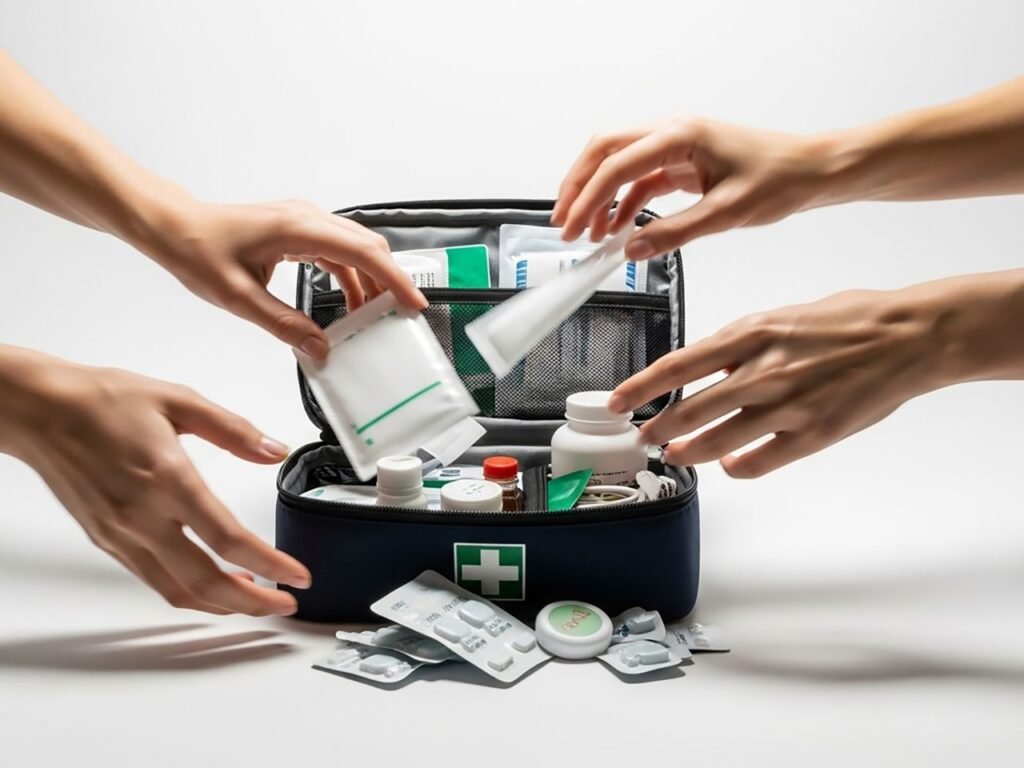
Everywhere you go, whether you are walking to the store, going on a stroll, camping, or hiking, it is wise to bring some emergency devices, medicines, or something similar with you. Even so, here are some things to bring for emergencies:
1. Instant Ice Packs
Instant ice packs are an excellent choice to bring with you anywhere you go. Plus, these ice packs don’t need a freezer to get cold, making them perfect for camping, hiking, or other outdoor activities.
2. EpiPens (Prescribed)
If you are allergic to bee stings or something else, like food or other medicines you might have ingested, you may need an EpiPen. Because of this, bring an EpiPen everywhere you go, even if you don’t think you’ll need it. EpiPens are prescribed, so talk with your doctor if you believe you have an allergic reaction to something specific.
3. Over-the-Counter Medication
When a bee stings you, you will feel some discomfort for a period of time. This is because the stinger is inside the area the bee stung. Because of this, it is important to utilize over-the-counter medication. Although we recommend some medicines in this article, it is important to speak with your doctor beforehand to ensure you can use them. For example, if you take daily medication, some over-the-counter medications can affect that.
Here are some medicines you may be able to use after a bee sting:
- Pain relievers, like Ibuprofen or Tylenol
- Topical treatments, like hydrocortisone cream
- Antihistamines, which relieve itching and swelling
- Cold compress, which helps alleviate swelling and discomfort
4. Antiseptic Wipes or Mild Soap and Water
Using antiseptic wipes or mild soap and water is an excellent way to kill any bacteria or germs that may have gotten on the area before you apply treatment.
Antiseptic wipes are pre-moistened with alcohol or benzalkonium chloride, so you don’t have to worry about using up your water and can focus on treatment.
5. A Card or Something Flat
To get the stinger out, use a card or something flat and hard to wedge it out. However, if you are in a pinch, we recommend using your fingernail if it is long enough.
How Can You Prevent Further Bee Stings?
Although you cannot fully and 100% prevent further bee stings, as accidents occur regardless of what you are doing or how careful you are being, there are many ways you can minimize bee stings in its entirety.
1. Do Not Swat Away
One way to do this is to avoid swatting a bee if it lands on you or comes near you. Calmly walk away instead of making sudden movements, so they don’t get frightened or angry and sting you.
2. Watch Where You Walk or Sit
One common way people get stung is by sitting down where a bee is or walking on one, especially when barefoot. Bees also love being near flowers, lavender, mint, and similar herbs and plants, so stay away from them, especially during their prime time, like summer or early fall.
3. Dress Appropriately
Although being barefoot is one of the best things you can do for yourself, if you are allergic to bees or don’t want to get stung, we recommend wearing shoes. Also, avoid bright colors like yellow, red, and blue, as well as bright floral patterns that bees may mistake for flowers. Instead, wear protective clothing like long pants and darker shirts to attract fewer bees. Lastly, wear gloves and socks with shoes while gardening.
4. Avoid Extra Scents
Suppose you like to wear perfume or other scented fragrances. In that case, it will attract bees because they can smell it on you with their antennae, especially if you wear flower-scented perfume. In that case, keep perfume and other scents to a minimum, especially outdoors.
5. Be Knowledgeable of Bees
We also recommend being knowledgeable about bees in general. Most bees behave similarly. For example, if you are near water and flowers, bees will absolutely be nearby.
Another thing to consider is that if you are at a restaurant with your favorite drink, such as coffee, tea, or other sweet beverages, or sweet food, bees will naturally be attracted to it because of the sugars in the food and drink.
Even so, we recommend learning about bee behavior so you can make an informed decision about where to go, what to do, and how to avoid areas where you might be stung.
Are There Any Potential Concerns After a Bee Sting?
More often than not, a bee sting causes only a mild reaction that shouldn’t be too concerning. The swelling will last a few days, but you can put some cream or take over-the-counter medicine if needed.
However, as mentioned above, if you are experiencing symptoms that could indicate a severe allergic reaction, call 911 immediately and go to the hospital, especially if you have never been stung before and are only now realizing you are allergic.
How Long Will a Bee Sting Take to Stop Hurting?
Bee sting pain usually lasts a few hours, but it varies by person. Some people have more sensitive skin than others, so what might not bother some people can be worse for others. Also, the swelling should go down within a few days after the sting. If you don’t remove the stinger, the pain can feel much worse because the venom spreads in that area.
What Helps a Bee Sting Heal Faster?
Given what we mentioned above- taking the stinger out, cleaning the affected wound, and applying antihistamine creams and other natural remedies- this should help a bee sting heal faster. However, like everything in life, this may take some time. Although it may be inconvenient, as you may experience itching or discomfort, thankfully it will not last forever!
Is There Anything You Should Not Do After You Get Stung?
Don’t use tweezers after you’ve been stung. Tweezers can inject venom faster, causing more discomfort and swelling. Also, if possible, don’t scratch it, as this can cause more irritation and make the infection larger than it should be. If possible, apply cream or activated charcoal to help with the itching. Lastly, don’t ignore severe symptoms, as they can be life-threatening.
Should You Put Toothpaste on a Bee Sting?
You can put toothpaste on a bee sting, but it may not work the same way for everyone. Some people firmly believe that putting toothpaste on a bee sting will help neutralize the acidity because toothpaste is alkaline.
However, if you go down this route, note that toothpaste may provide topical relief but does not pull out any venom. Lastly, this only works with basic toothpaste, so it can’t hurt to try it, especially if you are in a pinch! Regardless, if you are experiencing severe reactions, don’t hesitate to wait to get help.
Is It Wise to Cover a Bee Sting With a Band-Aid?
For children, covering everything with a Band-Aid is one of the best “remedies” you can do, as their boo-boo feels much better afterward. However, suppose your child gets stung by a bee and immediately wants a Band-Aid. In this case, it is important to keep a Band-Aid off to monitor how they are feeling and how much the swelling grows. The same applies to you or another person. Also, the sting site needs air exposure to promote healing.
How Long Should You Wait Before Returning to Any Outdoor Activities?
Wait until the swelling or redness has fully subsided before doing any other outdoor activities. However, if you are already outdoors and cannot go anywhere else, especially if you are on a family trip, for example, then we recommend waiting for a little while to see the severity of the reaction before going about your outdoor activities. This is because you want to know what type of reaction you may have, especially if you are unsure whether you are allergic to bee stings.
Conclusion
To summarize, there are several things you need to do after a bee sting. First, remain calm and don’t panic; then remove the stinger, wash the affected area, and apply topical cream. Unless, of course, you have a severe reaction, in which case it is wise to inject a prescribed EpiPen and go to the doctor right afterward to ensure you get treatment right away.
Overall, knowing what to do after a bee sting goes a long way, especially if you go camping and hiking often! We hope this article was helpful. If you have more first aid questions, we recommend checking out our other articles!