
Note: This article is general first aid information, not medical advice. For severe, large, deep, or electrical/chemical burns, burns on the face, hands, feet, or genitals, or any burn in a child or older adult, call 911 or seek medical care right away.
When you are dealing with burns, especially when you are away from home, it is worth having some knowledge of the subject beforehand. Even so, whether you are cooking dinner at home or making an extremely tasty treat while camping, trekking, hiking, or something similar, what’s the best first-aid treatment after a burn?
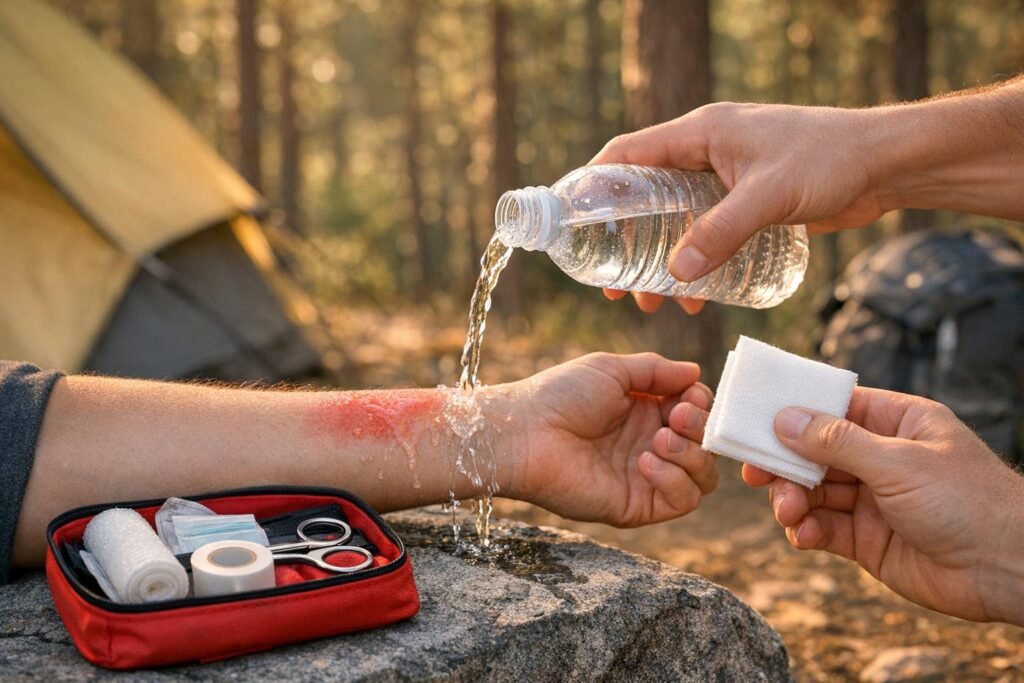
The best initial treatment to reduce ongoing damage from a minor burn is to place the affected area under cool running water immediately. This may not be possible if the burn is on your back or chest, in which case the person may want to jump into the shower for this treatment, but it is only effective for minor burns; more severe burns require different treatments, which we will cover below.
In this article, we will discuss the symptoms of each burn, what to do immediately after getting one, and more. This article is your overall guide on what to do, so we recommend continuing to read for more information!
What Are the Different Symptoms of Each Type of Burn?
The first and most important step is to understand that not all burns are handled the same way, as higher “degree” burns indicate greater severity and can cause more pain or, if handled poorly, lasting damage.
As burns get more severe, the likelihood of you needing to visit a hospital to get appropriate treatment increases, with it being a non-negotiable even at more severe second-degree burns, primarily because most people don’t have the medical knowledge or supplies on hand to prevent the injuries from getting infected or understand how to treat them on a day-to-day basis.
1. First-Degree
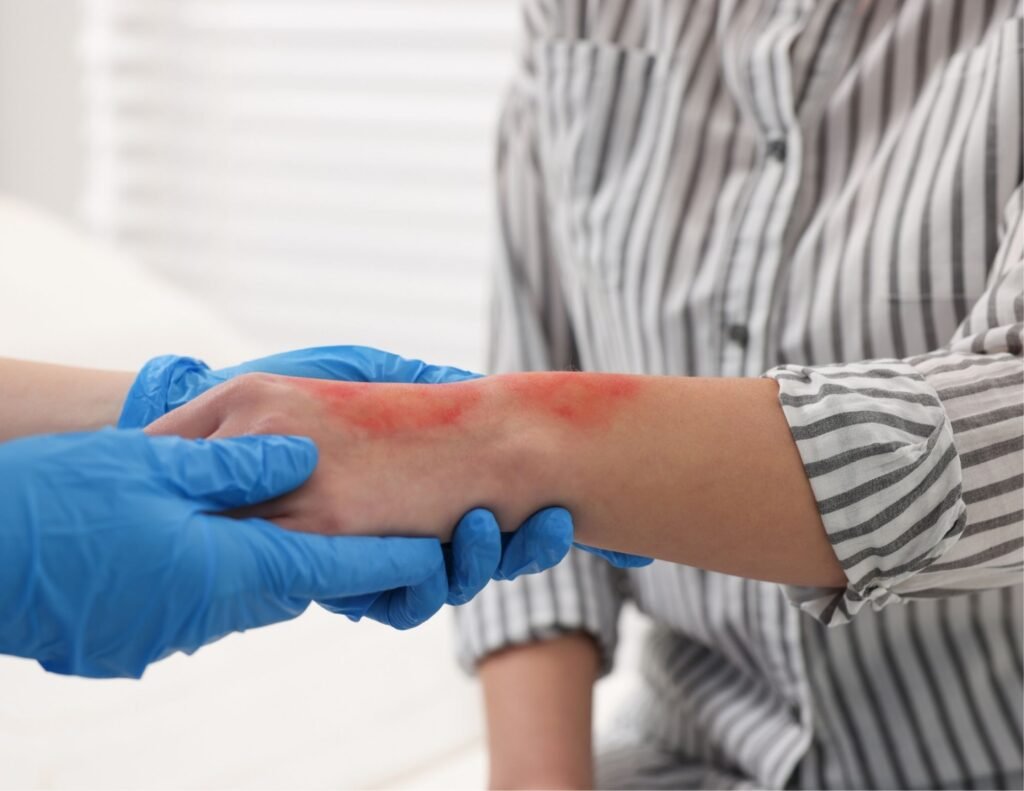
When you picture a first-degree burn, remember that it affects only the first layer of skin, the outermost layer often referred to in medical textbooks as the “epidermis.” Because these burns are minor, you’ll usually notice only reddened skin, with the area sensitive to touch and sore.
The most obvious version of a first-degree burn someone can identify or link a key experience to would be those of us who have experienced sunburns; they scale similarly and are often handled in the same way as a burn you’d get in just about any other way, with the same amount of damage and irritation to the skin.
After getting a first-degree burn and going through the appropriate treatment methods, you might notice that the skin has raised and begun swelling and is much more sensitive to the touch; in most cases, these will heal on their own, assuming you don’t go out of your way to pick at it, of course.
2. Second-Degree
The next category is second-degree burns, most notably showing large blisters across the affected area; the blisters are usually extremely tender and painful, and they require delicate care and dressing to prevent infection or lasting scars.
Unfortunately, a subcategory of second-degree burns is known as superficial partial-thickness, while the more damaging type is called “Full-Thickness” burns; these often damage sweat glands, destroy hair follicles, and can even injure nerve endings, becoming both painful and traumatic in the long run.
In most cases, particularly bad second-degree burns will leave someone with an ebbing numbness due to the nerves in the damaged areas being destroyed; at this point, you will most definitely need to seek professional care, as treatment will usually require everything ranging from skin grafts to the removal of extremely damaged areas.
3. Third-Degree
Anyone suffering from a third-degree burn is in for a horrific time, as they will probably not feel how much damage has actually been done to them, with the nerve endings often being destroyed, which is in itself an acute blessing, as the pain would be immense after reaching through so many different layers of skin, and possibly muscle.
If the skin looks almost like leather, you can usually rule the damage as third-degree, or an odd white hue takes hold in affected areas; at this point, the damage is undeniable. The person with the burn needs to be removed from the dangerous area where they got the burns, but more importantly, they’ll need to be calmed down. At the same time, help arrives, and picking at the wound or altering it in any way can make the situation harder for doctors to handle.
4. Fourth-Degree
The fourth, and final level of burn, is often catastrophic, as these not only destroy most of the skin and muscle in the damaged area, but they can also reach the bone, often meaning entire swathes of skin, muscle, and surrounding tissue may need to be removed to treat the victim, with immense amounts of physical therapy being needed to regain functionality where the burns occurred.
These burns are usually scorched, often leaving what little dermis remains darkened and charred, with underlying bone sometimes visible.
What Should You Do Immediately After a Burn?
In most cases, the right course of action depends heavily on the kind of burn you are attempting to take care of; the treatment methods themselves can fluctuate depending on whether you are dealing with a thermal burn, which is one based entirely around heat, a chemical burn, often categorized by specific elements being mixed into corrosive agents that can burn the skin, or electrical or radiation burns, both of which are far more unique to deal with.
Even more specifically, each of these burns can usually find themselves having a placement on the first to fourth degree burn chart, with treatments being handled accordingly; it’s worth noting, however, that anyone suffering from chemical, radiation, or electrical burns needs to be moved to a safe area, and you need to prevent yourself from being put into harm’s way as well while escorting said person.
Minor Burns
You can treat a minor burn without going to the emergency room or seeking professional help; basic first-aid knowledge is often enough to prevent infection and reduce most pain, so someone isn’t suffering needlessly.
As always, note how the burns occurred before treating them, and act accordingly. If someone briefly touched a very hot pan, they’ll obviously have minor burns, but aside from keeping their hands away from the stove or similar area, nothing special needs to be done.
Alternatively, if the minor burns were caused by a chemical splashing onto the skin, the first order of action would necessitate using water to rinse the chemicals off to prevent further damage, assessing the wound itself, then beginning treatment, as opting to “Dab the wound with a towel” wouldn’t remove it entirely, or may spread the chemicals over the person’s skin further.
1. Remove Any Tight Items
Anything like a watch, bracelet, or similar ornament can restrict blood flow to the area, making it difficult to heal, or hinder your ability to see the wound itself; this can also include sleeves or pant legs, depending on where the burn is located.
Burns often affect large areas, so it can be hard to gauge how bad the situation is without direct visual contact. A good hypothetical example is hot grease spilling onto someone’s arm while they’re wearing long sleeves; because they only pulled the sleeve up slightly, you may not see the full length of the wound, and the liquid could have wrapped around to the other side, causing ongoing damage.
2. Cool the Burn
Assuming the burn is thermal, reduce the overall temperature by applying cool water continuously, rotating it for maximum coverage and cooling the entire burn and surrounding area, not just the part you can see is damaged.
This sets the foundation for all treatments moving forward. It helps you better understand how severe the wound is while treating the person who experienced the burn. A good rule of thumb would be to actively “coach“ the person through the treatment, providing words of encouragement and assurance, like “Things are going to be okay,” or directly saying you are going to help them, “I’ve got you taken care of,” as burns are usually traumatic. The person may need mental soothing before you can care for them.
3. Cover the Burn
Next, cover the burn with gauze to prevent infection or irritation. This may require a gentler touch and the application of topical moisturizers. Usually, you do this and the next step in tandem, applying disinfectants before fully covering the burn.
You might want to think of this as placing a piece of gauze over the burn while helping yourself or the affected person sit down, then starting the next step.
4. Moisturize the Areas
At this point, the person should be calm and able to let you examine the burn closely and better assess its severity. If it is minor, disinfect the burn and apply moisturizer to prevent it from worsening or becoming irritated from lack of moisture.
Skipping this step can leave the burn painful and itchy, prompting someone to pick at it, which can lead to open wounds or, worse, infection, so it’s better to prevent that temptation from taking root.
5. Take Pain Relievers if Necessary
Pain isn’t for everyone, or more aptly, not everyone has the same level of pain tolerance; either you or someone who is burnt should have ready access to over-the-counter pain medication to help ease the healing process.
Major Burns
Even someone without formal medical training can usually spot a severe burn at a glance. In most cases, if a burn makes someone’s skin look dramatically different from the rest of their body, often several shades darker, or if the skin has gone from smooth to leather, you are likely dealing with a very significant burn. That person will need immediate medical treatment; however, to receive that, the person must be escorted to a safer area to prevent further burns and keep them from getting more wounded.
1. Make Sure the Person Is Safe
Depending on how the burn happened, the source of the injury may be obvious when you approach the injured person. If a large area is on fire, get the person to safety first before administering aid, or you could both end up with severe burns.
In such a scenario, it’s important to ensure that not only is the first person you see taken to safety, but you also ask them key questions about how many others may be inside or nearby, or worse, burned as well. At the same time, this information might not seem relevant; it can prove useful to firefighters, police officers, and other officials who may arrive later to help.
While we’re on the subject, you should not try to be a “hero“ and charge into a burning building looking for people, especially without training, equipment, or more; just as you want to get someone else to safety, you need to be safe yourself. Burning buildings, or areas, are structurally unstable and could collapse at any moment.
2. Check for Their Breathing
Once you’ve gotten them to safety, assess their condition. If they are struggling to breathe, or not breathing at all (more likely if you’ve dragged them from an area engulfed in flames), you’ll need to perform CPR if you can, and if they are conscious, get them to a less smoke-filled area to better catch their breath.
If a person isn’t getting enough oxygen, they are likely to collapse or panic, potentially causing them to put themselves in grave danger depending on which outcome happens first, so regulating their breathing and providing a source of stability is paramount before you can even assess the severity of their burns.
3. Remove Any Tight Items
Remove anything that could restrict circulation, such as watches, necklaces, armbands, and, if necessary, shirts or pants, if very severe burns are visible at a glance; however, you’ll need to tell the person what is happening (assuming they are conscious) so they don’t panic. This is especially true if you don’t know the person and are simply trying to help in a dire situation.
While time is very much of the essence in any of these scenarios, you needn’t add to the chaos without directly explaining what is going on and what you are doing to the person with the burn; in doing so, you are actively calming them down and providing order while gaining access to the burned area.
4. Cover the Burn
While you might be tempted to cover the person in a large, wet towel to help provide widespread aid, you’ll actually run the risk of doing the opposite, as the person may end up getting hypothermia in a worst-case scenario; instead, get a clean cloth, or better, some sterile gauze or dressing, and cover the afflicted areas to the best of your ability while waiting for additional help.
While on the topic of what to put on the burn, it’s important to know what NOT to put on them. Just as smaller burns can use ointments and similar products, larger, more severe burns often react differently, as ointments can trap heat and make the pain more excruciating.
5. Raise the Burned Area
If the burn is on a hand or leg, elevate it if possible to prevent blood from pooling, which can lead to severe swelling or other complications depending on how bad the burn is.
6. Watch for Any Shock
Shock can take many forms; some people may dissociate from the situation and become non-responsive or go into a fog. In contrast, others may become manic, shouting hysterically and writhing in pain; others may believe they are perfectly fine and attempt to continue regular activity, or try to help others despite their injuries.
It’s important to try to gauge each of these mindsets independently and do your best to explain to the other person the state they are in, showcasing either the wound itself (risky, as it may cause the person to panic), or telling them the situation is under control, as getting some semblance of stability will let you treat the person more easily.
When Should You Seek Immediate Attention After a Burn?
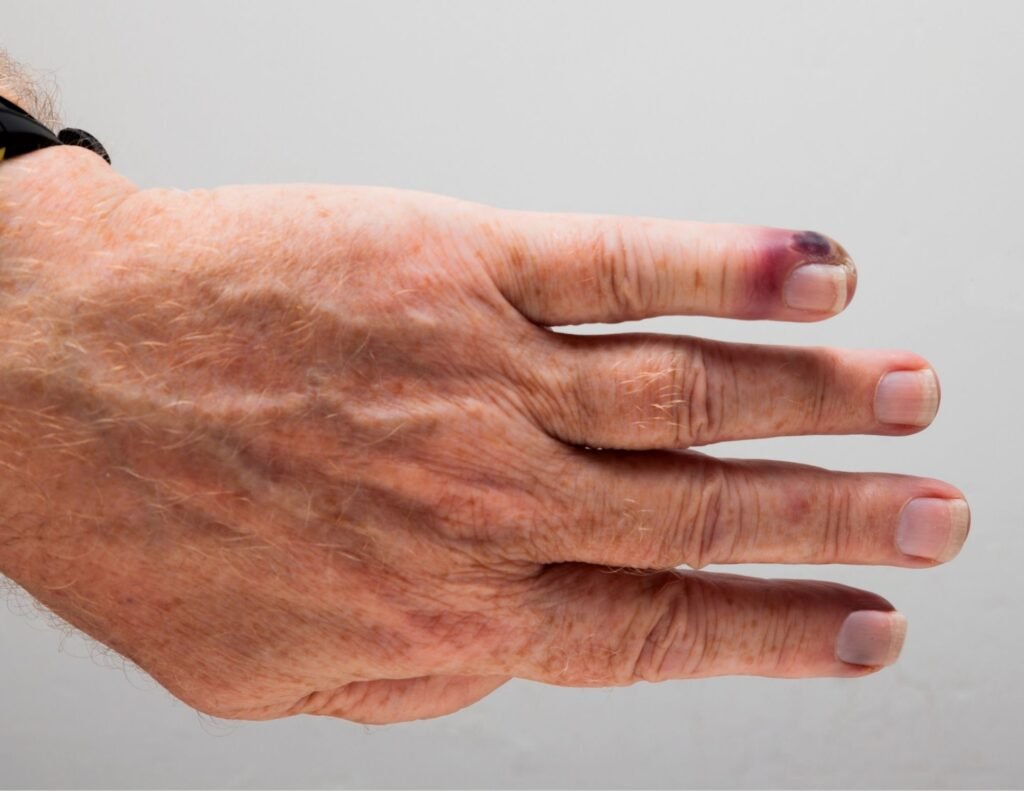
Assuming you are the one who is burned, you should seek professional help if the burned areas appear tanned, far darker than normal, or leathery, often brownish in color as opposed to bright red; this color change can often mean dead or dying tissue, or, in the best-case scenario, simple damage.
Either way, the wound may feel numb, but that numbness is not a good sign, as it often indicates nerve damage and strongly suggests you need to seek medical treatment immediately.
Are There Any Potential Complications of Untreated Burns Requiring Emergency Care?
Absolutely, almost any injury can worsen depending on how you treat it, or ignore it, and your lifestyle choices afterward can amplify the damage; for example, a very serious burn you leave untreated because it doesn’t “hurt“ immediately.
Well, the lack of pain is due to nerve damage, which will get worse over time, as you need pain for your body to tell you something is wrong, as the injury gets worse, either by infection, spreading necrosis in the area, or being exposed to dirt, grime, or similar bacteria.
In time, not only will the wound become infected, but without pain sensors to tell you something is wrong, it will continue to worsen until you either cannot move the afflicted area or develop a severe infection that begins assaulting the entirety of your body, giving you a fever or worse.
If you or someone you know has a burn that clearly shows early signs of nerve damage, or if they lose function in the area, you’llsee a doctor immediately.
What Should You Avoid When Treating a Burn?
While wound care isn’t everyone’s forte, there are widely accepted do’s and don’ts for treating a burn.
1. Never Pop a Blister
Blisters are a sign that your body is healing, or at least trying to. Blisters are usually very itchy and annoying, but you’ll want to resist the urge to pop them, because when they rupture, you expose large areas of sensitive skin to bacteria.
Never mind how sensitive the skin under that large boil is- often far more painful- and the relief from popping it is superficial at best, since the appeal is usually visual, not pain relief.
2. Do Not Use Ointments or Sprays
Depending on the burn’s severity, ointments, sprays, and other topical treatments can trap heat and make the situation worse or more painful, so opt for something else, like aloe vera gel, to cool the area over time by applying it gently.
3. Do Not Pull Stuck Clothing Away From a Burn
While it might not be the most pleasant scene to paint, reality is often far less pretty than most people would like to imagine, and with severe burns, it’s better to face the truth than dance around with pleasantries. With severe burns, clothing or similar materials can stick to or meld with the skin, unfortunate but possible.
In such an event, it is important to restrain yourself, or whoever has the burn, from yanking these materials free, as they can easily create large-scale wounds that are not only capable of getting infected; given how this moment might play out, they very likely aren’t in a sterile environment. If someone has clothing stuck to them from burns, the area probably has ash and other debris floating around, increasing the odds it will drift into any wound created by yanking the clothing off.
If you aren’t the one who wants to rip the stuck clothing off, try to calm the person down and explain that, while cooling the affected area with lukewarm water during the process, you can help prevent further damage.
4. Avoid Ice or Ice-Burns
On a surface level, getting ice might seem like the fastest way to alleviate pain and damage from a wound, ice can agitate the burn and cause the blood in the surrounding area to constrict, making it more difficult for the burn to get the blood it desperately needs to keep damaged tissue alive and thus promote cell death in a worst-case scenario.
Alternatively, it can cause ice burns, which are like normal burns but caused by extreme cold, adding injury to injury.
5. Make Sure to Avoid Contaminated Water
It is imperative to know that, while the general train of thought is to immediately apply lukewarm water to a burn to cool the area and prevent further damage, you should use sterilized, clean water, not water from the local riverbed or a nearby puddle.
Contaminated water, for lack of a better word, contaminates. As such, it’s like feeding bacteria into the burn wounds; while they may reduce the pain initially, they make healing far more difficult, and sometimes dangerous, depending on the kinds of bacteria that get into the wounds.
Final Thoughts
If you aren’t sure about the play-by-play method required to treat burn wounds, you can enroll in a first aid treatment course nearby, where the specifics are explained in detail, often showcasing precise treatment methods in real time. Just remember: burn wounds don’t need ice, and water applied should always be sterilized, with a person’s life being safe, where they lie for treatment (moving them from dangerous areas)