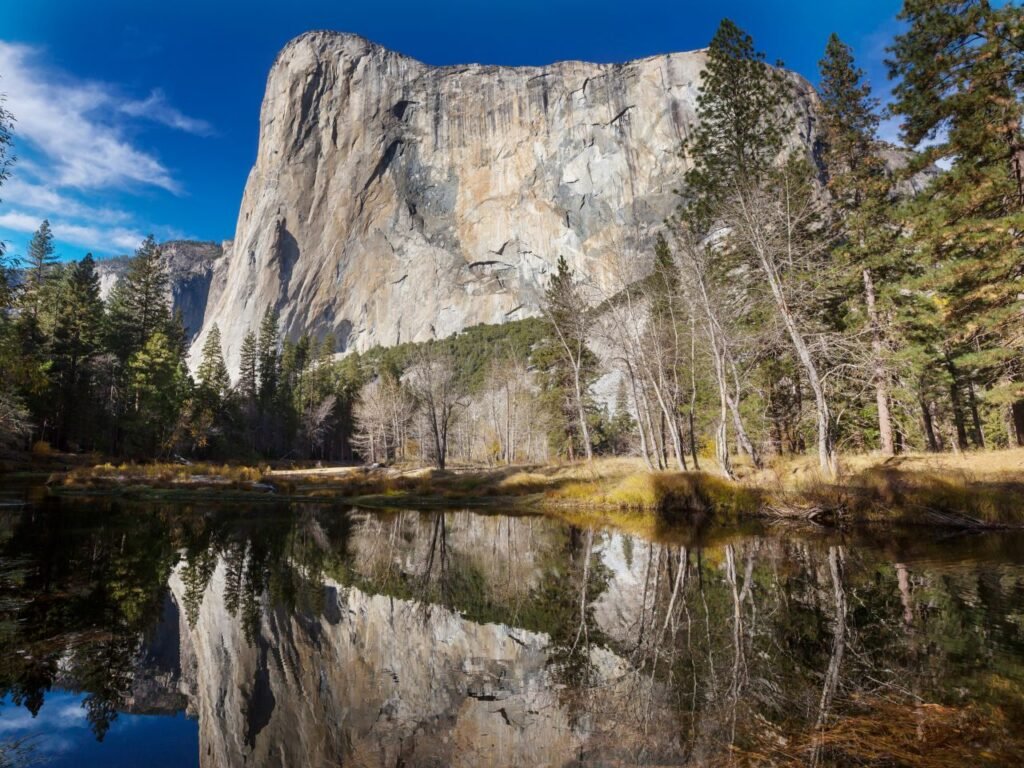
Going to Yosemite National Park can be an exciting experience! More often than not, people want to go there for its breathtaking waterfalls, stunning cliffs like Half Dome, and diverse ecosystems. More importantly, many people who come here want to enjoy and experience the true beauty of nature.
If you are planning a trip to Yosemite National Park, especially for the first time, it is crucial to consider essentials to bring, what type of clothing to wear, and which items might be prohibited or unnecessary.
Overall, preparing for a trip to this wondrous national park will require a lot of strategic balance between adapting to what you are used to and truly experiencing the wilderness in its full. Whether you want to marvel at the misty spray of Yosemite Falls or navigate the Mist Trails, we recommend packing the essentials. For more information, continue reading below.
How to Plan Ahead
Before we even get started on what to pack, it is essential to plan your trip so you do not arrive a deer in headlights, not knowing what to expect. As someone who does their own research, it is crucial to know what to expect beforehand, which is why we are here to help you along the journey.
1. Itinerary
Creating an itinerary helps you know where you will be at what specific time. On top of that, it enables you to stay organized during your time at the park. Doing this lets you make the most of the time you have without getting confused about where to go next.
It is important to note that when creating an itinerary, do not cram too much into one sitting. If you like traveling a lot, we recommend coming back to try different things you may want to try later in the journey. If this is a once-in-a-lifetime opportunity, we recommend researching where you want to go the most and sticking with that.
Lastly, we recommend giving you and your family or friends some wiggle room between fun adventures to ensure you are not stressing yourself out to be at a specific location at a particular time. Overall, enjoy the little moments you have!
2. Prepare Your Vehicle
Before heading out, it is important to note that your vehicle needs to be prepared for any weather that may occur. It is wise to give your car an oil change, check the tire pressure and tread, check the fluid levels, and make sure the windshield wipers are still in good working order. On top of this, it is vital to ensure your brakes are working correctly, as you will need them to descend steep mountain roads.
Lastly, for those traveling during the cold months, between fall and early spring, it is vital to consider chaining your car at any time due to snowfall.
3. Decide on a Driving Route
Before entering Yosemite National Park, decide on a driving route, as there are five different entrances to the park. Depending on your interests, the path you take can vary, as each one offers access to other trails and sights.
4. Ensure a Fitness Check
If you are unfit to walk through the large mountains, then it might be wise to get into better shape before entering the park. Doing so will make it less straining on your body when roaming the great outdoors.
It is essential to work on your cardio, endurance, and leg strength. If you do not have a gym membership, we recommend looking up cardio YouTube videos, as they are free and, better yet, no one will be watching!
5. Reservations and Accommodations
As a busy national park, hotels, lodging, RV parks, tent camping sites, etc., should be booked far in advance to ensure you get the place or spot you want most. It is worth noting that Yosemite offers year-in-advance booking.
So, whether you wish to camp at a high altitude or stay at a luxurious hotel, it helps to have your pick on a first-come, first-served basis.
Having reservations also applies to any lunch or dinner reservations you want to make. If you do not have any, you might have to wait a long time. However, for those who have reserved a spot at the table, you do not need to worry. Lastly, Yosemite National Park requires reservations for entry, so this should also be noted.
6. Check on the Road, Trail, and Weather Conditions
Weather can be a funny thing. Sometimes it is warm and beautiful, whereas other times it can hinder some of your plans. Because of this, it is vital to check the weather conditions of Yosemite National Park. Some roads may be closed, especially at higher elevations. Before going to the park, keep this in mind.
7. Decide if You Want Independent Exploration or Guided Tours
Some people wish to explore Yosemite without a tour guide, whereas others might want that extra help or knowledge on where to go and what to do.
There are pros and cons to both things. With self-guided exploration, you can easily go off-trail, whereas a guided tour may not allow you to venture off-trail as much.
However, guided tours provide you with insight into the area that only a highly experienced Yosemite hiker can give you. Some of this knowledge offers hidden viewpoints that many visitors miss, as well as insights into Yosemite’s mysteries.
8. Bring Travel Documents
It is crucial to double-check (or triple or quadruple-check) any travel documents you need. This could be lodging confirmations, tour reservations, lunch or dinner reservations, and entry passes.
Although you might have all of this on your cell phone, having a hard copy would be beneficial if your phone dies or you are in areas without cell coverage, like at Tuolumne Meadows.
What Should You Pack for Yosemite National Park?
Now that we know what to consider before entering the park, we can focus on what items you should pack for Yosemite National Park. First, we will cover the essentials, then move on to the types of items to wear.
1. Essential Items
Maps
The first thing to consider is to get a map of Yosemite National Park. You can get one online or in person, but having a map to guide you would be helpful.
It is also worth noting that, although we live in the age of electronics and GPS devices that show you where you are at all times, you never know when they might fail on you. This is why it is crucial to keep a physical map or two with you at all times.
Flashlights / Headlamps
Having a headlamp or flashlight is perfect when it gets dark, and you need to head to a specific destination. On top of this, if you need to search for something while camping, you already have a light with you.
Sun Protection
You do not want to forget sun protection, especially when visiting Yosemite in the summertime! Make sure you bring sunglasses, sunblock, and a sun hat (like a baseball cap or a wide-brimmed hat) to protect yourself from the sun. This would be more true if you are staying or walking to higher elevations as well.
First Aid Kit
Going into the wilderness without a first-aid kit is like venturing into a storm without an umbrella! Not only are you unprepared for the inevitable (especially if you have kids), but it will not provide you with any extra protection if needed. First aid kits are perfect for emergencies and injuries. It allows you to do so effectively, so make sure you invest in one if you have not already.
Portable Chargers / Backup Batteries
As mentioned above, cell phones and other handheld electronics are bound to die at some point. In this case, it is crucial to invest in a portable charger and backup batteries. If you think about it, you might be taking a photo of something gorgeous, only for your phone or camera to die all of a sudden. Because of this, it is important to consider bringing batteries and portable chargers.
Binoculars
Yosemite is home to a wide variety of creatures, like bobcats, mountain lions, great horned owls, black bears, newts, and more. Binoculars are an essential asset, especially if you love birdwatching.
Food
You never want to go somewhere, especially on a few-day (or week-long) trip, without food! If you will be active, it is crucial to pack a variety of protein sources to ensure you have enough energy to walk long distances. Make sure you bring snacks you enjoy eating, not food you think is good for the wilderness.
Another thing to consider is packing freezer-dried foods. This allows you to carry light loads and avoid a heavy burden, especially when backpacking or camping.
Picnic Supplies
For those who want to go on picnics or are hiking and wish to stop to eat lunch or dinner, bringing picnic supplies is a must. Some things to consider bringing are the following items:
- Utensils (spoons, forks, knives – reusable might be best)
- Napkins or paper towels
- Plates (reusable or paper would be the best option)
- Picnic blankets
- Portable cooler
- Picnic basket or bag
- Food storage containers
Lots of Water
As always, it is essential to bring lots of water. More specifically, it is recommended to drink at least two liters (half a gallon) each day. If you are doing more strenuous activities, you might need more. Regardless of where you are, staying hydrated is a must, especially at higher elevations.
Backpack and Hydration Pack
When venturing off into the great outdoors, having a backpack and hydration pack is one of the best options you can give yourself. Your back can handle a lot of weight, so make sure you have a big enough backpack to carry everything you need. Also, hydration packs let you drink water while staying hands-free, so you do not have to keep taking your backpack off.
Insect Repellant
Mosquitos and other insects LOVE pestering humans. Because of this, packing insect repellent is extremely important, especially as you settle in for the evening.
Kids’ Activities (If Needed)
The last thing a parent wants to hear is their child complaining, especially when they are trying to have fun as a family in a gorgeous area! It is crucial to bring along some children’s activities, like card games, coloring pages, scavenger-hunt lists, a hiking game, bubbles, craft supplies, and more.
2. What to Wear
Layered Clothing
Depending on when you’ll be hanging out in Yosemite, you should bring different sets of clothing. However, because of the extreme elevation changes or if you will be staying at a high elevation, the mountains might get cold. It is crucial to bring layered clothing in your backpack or camping gear in case it gets chilly.
Footwear
Wearing good hiking boots or shoes is essential when hiking. To put things into perspective, there are over 800 miles of hiking trails in Yosemite National Park. Because of this, it is imperative to choose your shoes correctly.
For those going on more difficult hikes, we recommend hiking boots; if you are staying on paved trails, you can get away with a good pair of hiking sneakers. Lastly, when venturing into the water, we also recommend bringing a good pair of water shoes to protect your feet from the rocks beneath you.
Swimming Gear
Although we mentioned swimming shoes above, make sure you bring some good swimwear or other gear, as there are multiple access points to swimming, such as Housekeeping Camp Beach and Cathedral Beach.

What Not to Pack for Yosemite National Park
Now that we have the basics of what to bring, some items might be prohibited or not the best option for camping. Let us get into it.
Non-Biodegradable Toiletries
When figuring out what to bring, we recommend steering away from non-biodegradable toiletries and packing biodegradable items, such as solid shampoo and conditioner bars, bamboo toothbrushes, and a biodegradable toiletry bag.
Non-Biodegradable Food Packaging
It is important to avoid packaged foods made from non-biodegradable materials. This could look like snack wrappers or foods in single plastic wrappings.
Although this might not be 100% avoidable for some people, it is crucial to ensure all trash is picked up to protect our environment as much as possible.
Single-Use Plastics
Some single-use plastics might be plastic bags, straws, food containers, water bottles, and plastic utensils. Instead, we recommend utilizing reusable utensils, bags, and other similar items. In this way, you are creating less waste, which equals a better Earth.
Prohibited Items
There are many prohibited items you cannot bring into Yosemite National Park. Here is a quick list of them:
- Firearms (must comply with all firearm laws)
- Pets (in some regions of the park)
- Other weapons (bows and arrows, pepper spray, blowguns, slingshots, explosive devices, etc.)
- Bear spray
Flip-Flops
We do not recommend bringing flip flops for hiking or water activities. This is because flip-flops do not provide adequate protection or support for your feet on rugged or uneven terrain. On top of this, wearing flip-flops can eventually make your feet swell or hurt for several days.
On top of this, bringing flip-flops into any water areas means your feet might get stuck in mud. Because of this, it is vital to wear a cover-toe rubber shoe to keep it on your feet and prevent it from floating down the river.
Cotton Clothing
Cotton clothes, although extremely comfortable, do not absorb moisture; instead, they retain it, leaving you feeling very uncomfortable.
On top of this, cotton clothing can lead to hypothermia in cold or wet conditions, worsening the condition. Instead, we recommend wearing merino wool or synthetics that will keep you warm and dry from the elements. The same goes for whatever sleep gear you bring.
Excessive Gear
Bringing unnecessary gear on the trip will make your journey extremely uncomfortable and add unnecessary weight. This can include electronics you don’t need, such as e-readers, tablets, multiple charging cables, high-end cameras (unless you have a specific purpose for them), and gaming devices.
Heavy Backpacks
Lastly, having a heavy backpack is good while you are backpacking for several days. However, for day hikes, it is important to pack enough so that the load weighs up to 10% of your body weight, which is considered manageable. However, for those hiking multiple days, the general recommendation is to carry up to 20% of your body weight.
Live as You’ve Never Lived Before!
As a final thought, going to Yosemite will become one of the very best experiences you have ever had, especially if you’ve never been before! Because of this, we hope this article was educational and helpful to you. If you have any questions regarding going on adventures, we encourage you to check out our other articles. Without further ado, happy adventuring!