
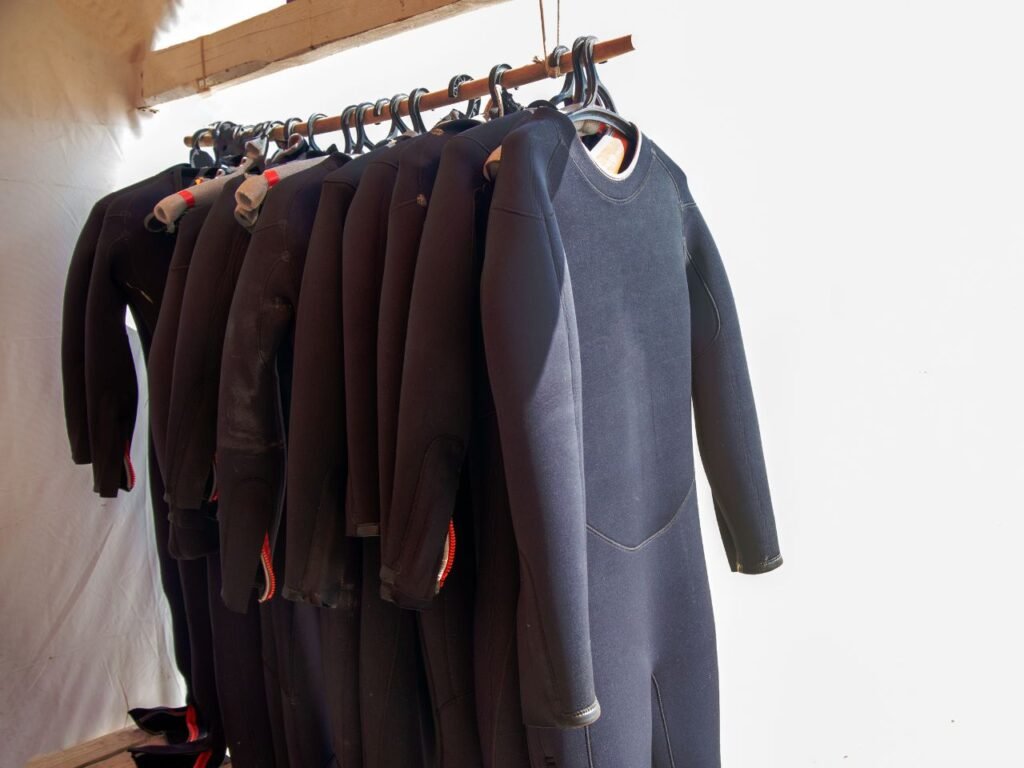
Dipping your toes into the proverbial world of diving can be a very strenuous endeavor, first because most people have not used either or do not know the key differences between the two, and second because there are price differences.
The biggest differences between the two primarily boil down to the proper time and place to use them: wetsuits are better suited to warmer waters, while drysuits perform better in colder environments.
In this article, we will discuss what both a wetsuit and a drysuit are and the main differences between the two. Furthermore, we will answer commonly asked questions, such as the lifespan of the two, the types of insulation each provides, and more. If you are interested in the differences between these two suits, read on to ensure you get what you need for your specific adventure.
What Is a Wetsuit?
A wetsuit is a suit made from a synthetic, rubber-based material called neoprene, with the primary function of “locking in” a small layer of water between your skin and the suit. This will eventually regulate your body temperature, keeping you warm despite being in the water.
Diving in a wetsuit is highly recommended for first-timers, as you don’t need to acclimate to staying mobile and rational in colder water. It also requires slightly less training than dry suit dives, but should still be taken just as seriously. Lessons should still be taken to remain safe and knowledgeable about all aspects of your suit and how to wear it properly.
What Is a Drysuit?
Living up to its name, a dry suit is just that, a suit that is designed to keep your body dry. In contrast, diving involves letting a certain amount of water inside and letting self-regulation take care of things. The bulkier, heavier dry suit keeps a layer of air between your skin and the suit, keeping you warm and, obviously, dry.
When used in conjunction with additional layers of thermal clothing, you can comfortably dive into some of the coldest waters imaginable. However, it is worth noting that diving in either tropical or colder waters still poses unique risks. You’d be wise to have training in diving with both suits before committing to a full dive.
What Is the Difference Between a Wetsuit and a Drysuit?
The four biggest differences between a wetsuit and a drysuit usually boil down to price, initial cost, how long they last, and, finally, how well they protect you from the cold.
Each suit has its own pros and cons. Still, the main difference between the two is that wetsuits are functional in warmer waters, while dry suits are ideal for colder waters.
1. Lifespan
In a perfect scenario where both suits are well cared for and see similar use, a drysuit will last longer than a wetsuit because they are better made: they use sturdier materials and are thicker. This thickness allows them to endure punishment and be used much more easily than a wetsuit.
As a rough estimate, a wetsuit that is well cared for can last 2-3 years with regular use, proper storage, and protection from unnecessary damage. On the other hand, a dry suit can last up to 5 years, with some lasting up to 15 years. Again, these numbers really boil down to how often each suit is used and the quality of the material.
2. Mobility
Wearing a body suit will definitely let you retain a decent measure of heat. However, what it doesn’t let you keep is extreme control over your body. Granted, wetsuits are lighter and thinner, so you get a larger range of motion than you would with a dry suit. Conversely, a dry suit is thicker and heavier, making careful movements much more difficult.
The disparity in mobility grows significantly amongst people who have not had much time or practice in their suit of choice, especially with drysuits, as the excess air inside requires a different skill set to remain mobile than the smaller, more nimble wetsuit.
3. Thermal Insulation
The true price of mobility and freedom: while a wetsuit wins the race of being flexible and allowing you to contour yourself with ease, you will quite literally open yourself up to the risk of freezing. Thankfully, however, drysuits exist for this precise purpose.
A wetsuit offers very limited protection against the cold and thus less insulation than a drysuit, which is what its entire design is based on: keeping you warm and, more importantly, dry, so you can safely swim in waters that would otherwise turn you into a popsicle.
If you do opt to shop for either suit, make sure you do ample research and see what temperature your suit can safely be worn at. This is because not all suits are created equal. It is important to do a deeper dive (yes, all puns are intended) into how long the company that makes the suit has been around and what reviews are available for the products they are displaying. Cheaper does not always mean better.
4. Value
Keeping in step with that sentiment, value has two meanings. In one sense, everyone loves the concept of getting a good deal, but no one likes spending money on something that doesn’t function as it should. That situation quickly drifts from getting a deal to getting conned, a situation no one would want to be in.
The initial investment in the suit you choose isn’t always about buying good or bad quality, either. For instance, because wetsuits don’t last nearly as long, they’re much cheaper than a dry suit. This is to be expected, but you can plan around this mentality as well, especially if you frequently travel and need to use both kinds of suits.
When Should You Use a Wetsuit?
The best time to use a wetsuit is when the temperatures are relatively warm, anywhere between temperate and tropical. Doing so will keep the water you are in nice and toasty without risking hypothermia or other issues related to water or ice exposure.
When Should You Use a Drysuit?
Dry suits should be deployed when the water you are seeking to explore reaches a core temperature of 10 degrees Celsius (50 degrees Fahrenheit). Attempting to use a wetsuit at these temperatures runs the risk of putting yourself in danger, and even worse, endangering those around you in an attempt to save you from your own choices.
Safe diving practices and understandings will get you far. Still, it is imperative to remember that when diving as a team, or even just with other people, your choices can directly impact and influence those around you, impairing the dive or the safety of everyone involved, with some teams even going so far as adopting a “They knew the risks“ type mentality.
Pros and Cons of Wearing a Drysuit
Dry suits can be very versatile in their use, but they shine the most in winter ice diving, keeping you warm while you dive, and ensuring your core temperature doesn’t drop to a level that makes you unable to think, massive pros all around.
The greatest cons to wearing a dry suit would be the overhead cost each one details, and the distinct need for specialized training to use one properly, everything including the suit itself, your mask, manipulating air space in the suit, there are a litany of things to learn and master to use a drysuit successfully, and this is all after the initial purchase, meaning you need to buy or partake in a training course as well.
Pros and Cons of Wearing a Wetsuit
A wet suit on the other hand is relatively cheap, at least in comparison to a dry suit, and can be a very fire and forget scenario, without the need for complex equipment and rules necessarily, but this is for the suit itself, this has nothing to do with the act of diving, that does or at least should, have some level of training or seasoned professional with you initially.
Despite being cheaper, the wetsuit does have its shortcomings. For one, the suits themselves will need to be replaced much sooner than a dry suit, and even more importantly, you can only use them in warmer waters, unless, of course, you fancy yourself an ice cube.
What Are Some Good Wetsuits?
Although there are thousands of wetsuits to choose from, online and in stores, we have found two excellent picks for you.
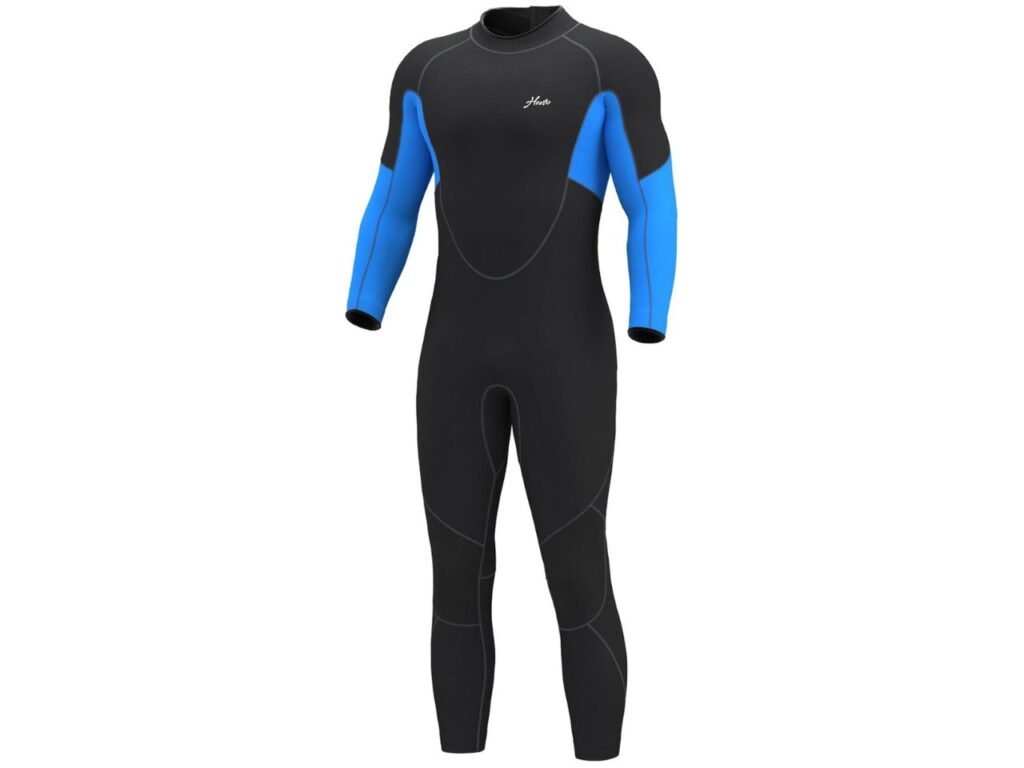
1. Hevto Men Neoprene Full Wet Suit
The Hevto Men’s Full Wet Suit will keep you covered from head to toe and do so in relative style, coming in two unique colors you’ll be able to comfortably utilize this bad boy for all of your warm water diving needs, they come in a variety of sizes up to XX-Large, and feature a 4mm thickness, offering ample mobility, and you won’t break the bank getting it!
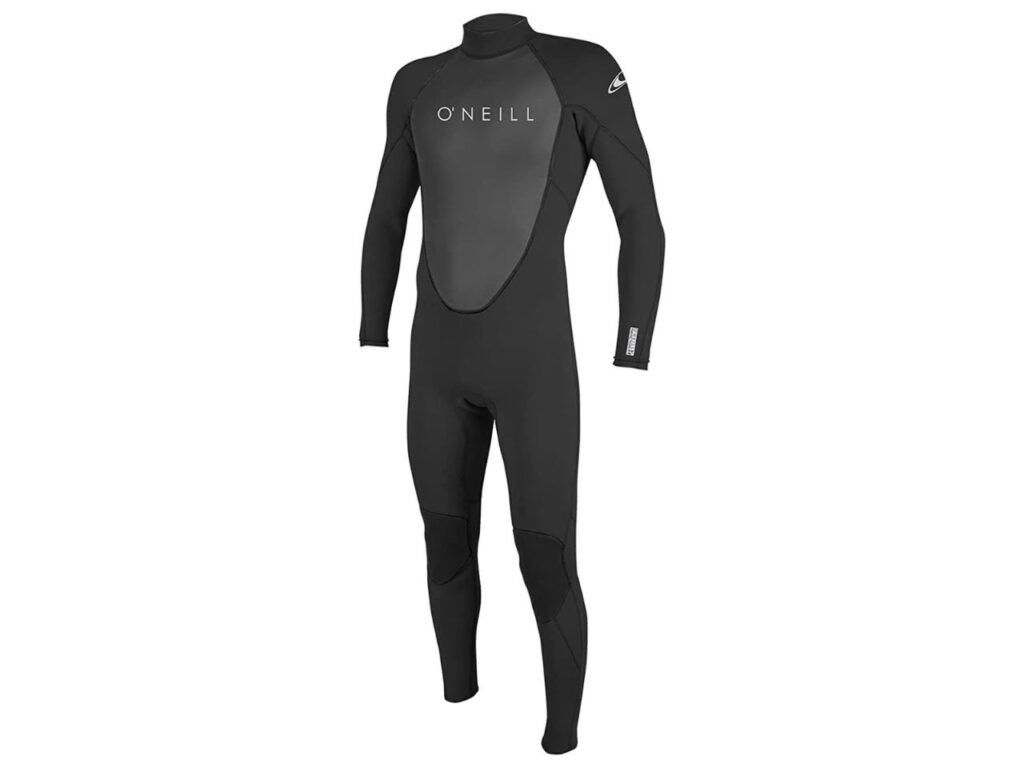
2. O’Neill Men’s Full Wetsuit
Sleek and simple is the name of the game with O’Neill’s wetsuit. Strutting in matte black, this Neoprene suit is a fantastic starting point for novice divers and can be used in most other aquatic sports and endeavors as well.
What Are Some Good Dry Suits?
As with wetsuits, there are a few fantastic choices for drysuits. We recommend these two options.
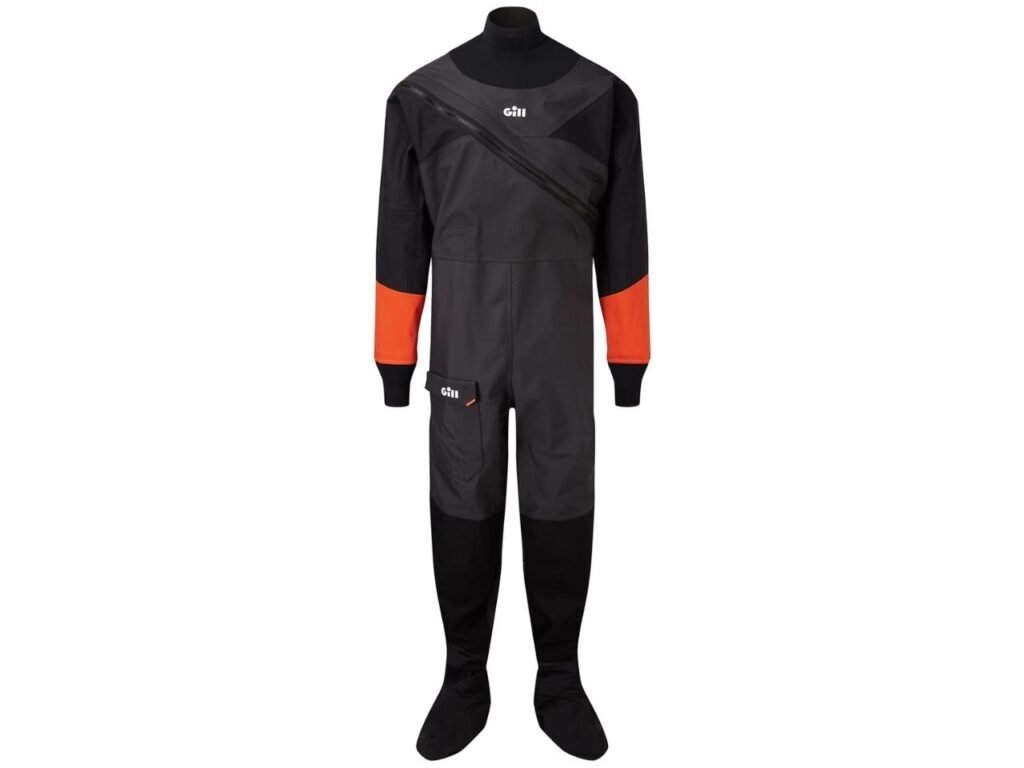
1. Gill Dry Suit
A good dry suit will keep you warm in the coldest of temperatures, and Gill Dry takes that to the next level with its fully taped & waterproof design. This suit is made of nylon. It utilizes XPLORE+ 3-layer fabric technology to give you a suit built to keep you warm and dry for the entirety of whatever water adventures you get into. Best of all, it is a fantastic deal, so you really can’t go wrong with this choice.
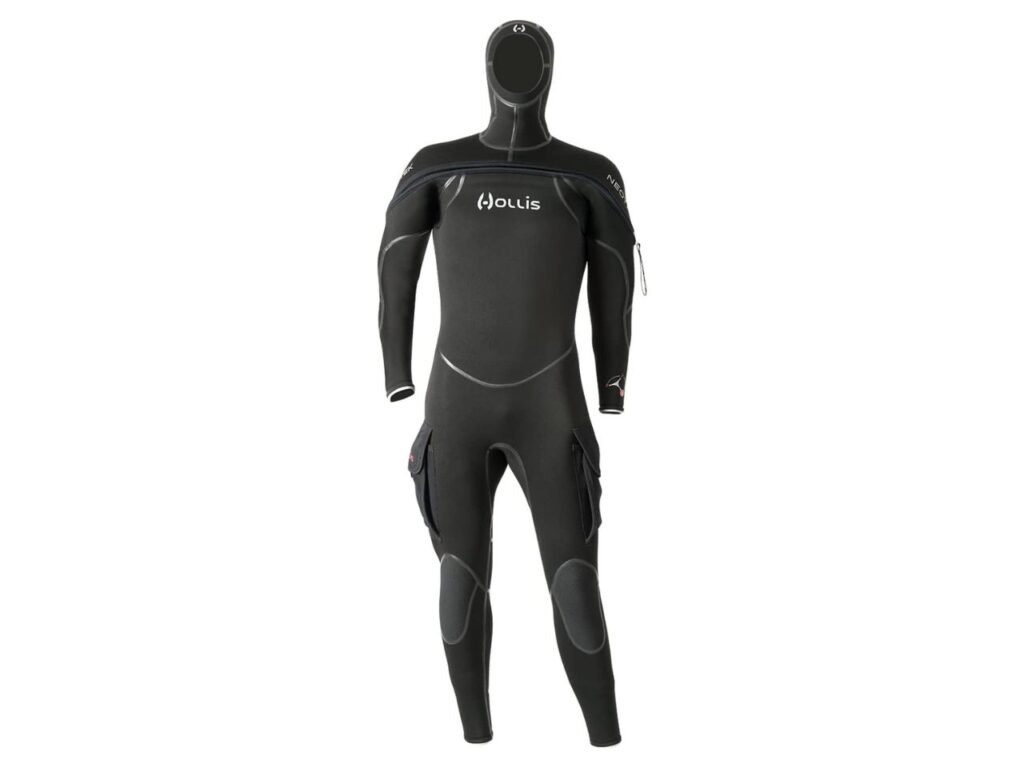
2. Hollis Hooded Semi-Dry Suit
Hollis isn’t necessarily a new name in the dry suit industry; they’ve been cranking out fantastic suits since early 2006, and the company remains strong today. The Hollis NeoTek v2 is one of their nicest suits to date, featuring a nice black finish, a myriad of sizes to work with, Neoprene fabric, and a G-Lock horizontal front zipper. You can get in and out of this bad boy with minimal effort, and pricing is very reasonable as well.
Conclusion
If you’re looking to do some warm-water diving, your best choice is a wetsuit. Still, if you are feeling a little bolder AND colder, then a drysuit is just your speed, but remember, if you’ve never dived before, please, be safe, get some dive lessons, and ask for guidance on how to wear your suit properly, and use your suit, regardless of the one you choose.