
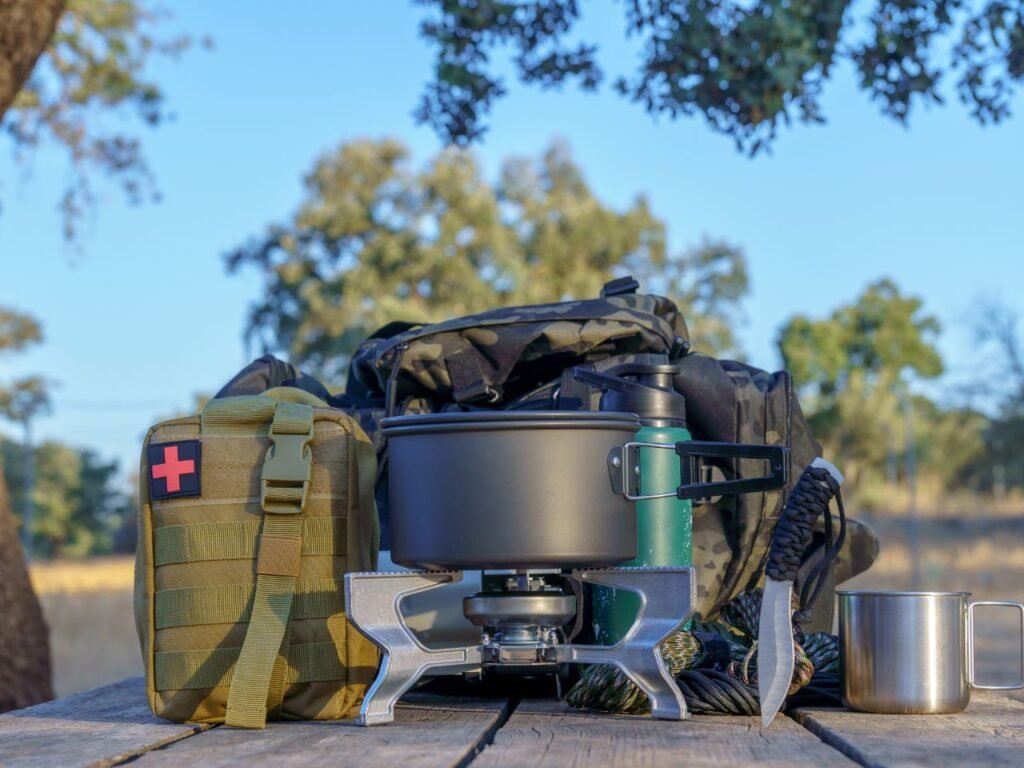
Knowing first aid isn’t a mandatory requirement before going camping. However, if you wanted to have a highly sound peace of mind knowing that you’d be prepared both mentally and physically for some of the most common injuries that can (and probably will) occur while camping, then you’d be very wise to at least pick up on some of the more basic principles of First aid.
The exhaustive list of everything that falls under the banner of first aid can be very daunting to think about at first. Some of the most glaring possibilities are things like broken bones, pulled muscles, or various kinds of reactions to poisons and other severe wounds.
One of the most essential things to bear in mind is this: if it seems bad to think about dealing with, from a safe learning standpoint, imagine facing the issue in real life without the expertise to do so. If you need motivation, that simple train of thought should do the trick.
Why Is It Important to Know First Aid Before Camping?
Knowing first aid before going on an outdoor trip gives you the ability to respond confidently to a range of medical emergencies that may befall you. For example, if someone you meet while adventuring gets a scrape, cut, or poison exposure, you will know how to deal with it.
An untreated cut or scrape doesn’t sound like a big deal. Yet, when you are camping, that same cut gets exposed to all manner of bacteria, sweat, dirt, and potentially even animal dander or insects. This can eventually irritate the area or lead directly to an infection, significantly worsening the situation, especially when it didn’t seem like a big deal at the time.
Unfortunately, that is only the beginning of how a lack of medical expertise can affect a wound if this incident happened at the start of a trip. You planned on being gone for days, but this infection can cause a fever, leading to the inability to keep down food, water, or more. Hence, the genuine possibility of a health tailspin is just around the corner without proper knowledge.

What Are Some Basic First Aid Skills to Know?
Understanding the severity of a wound or problem is the first step in any first aid application, and responding with the proper treatment or reaction will help facilitate that person’s recovery and allow you to stabilize them until professional help arrives.
1. Assessing the Situation
Checking the state a person is in after an immediate injury will help you determine what to do next. This might range from how alert and responsive they are to whether they are breathing and have a pulse, and can directly determine the steps you need to take afterwards, including assessing the situation, gathering details, and observing everything you can about the person’s overall health. If you aren’t equipped or trained to handle things, your job becomes trying to stabilize that individual long enough for EMT’s to arrive.
Different situations and issues will obviously demand more unique approaches; a person’s ability to breathe, how hot or cold they are, or general confusion can all be signs of whether they are hypothermic or suffering from a concussion. Still, each of these needs to be handled correctly to stabilize the person and aid their recovery.
Skin color can directly indicate whether a person is breathing or not; blue lips or pale skin can correlate with a lack of oxygen, meaning you have to act immediately and begin CPR if that person is to make it.
2. Treating Hypothermia
If you have reason to believe a person is experiencing hypothermia, you can begin relocating them to a warmer area and placing blankets to warm them. If their clothes are wet, you’ll need to remove them and either change them for dry ones (if the person can move) or wrap them after drying them to the best of your ability.
Warm drinks, any heating compresses, and focusing on getting them warm will be the deciding factor on how this person recovers, or how severe any lasting damage is, if you aren’t in remote wilderness, moving the person indoors, or at the very least, taking them into a tent while reaching out to get them transferred to a safer, warmer location is the best option.
3. Dealing With Wounds and Bleeding
When dealing with wounds, the first step is to observe the wound itself and determine its severity, including whether it’s bleeding slightly or significantly. The amount of blood coming out directly correlates with how you must respond to stabilize this person or keep them afloat until professionals arrive.
If the wound is bleeding profusely, you’ll want to apply a large amount of pressure to help stem the bleeding. Start with a clean cloth or gauze pad (if available) and press it directly against the wound. You can use a tourniquet if you know how. Still, it should be used only as a last resort, because poor application can make things worse.
4. CPR Training
CPR or cardiopulmonary resuscitation is the act of attempting to get someone to breathe again if they aren’t currently, or are under cardiac arrest. CPR is a rhythmic pressing of the heel of your hand against the center of a person’s chest, at a steady 100 to 120 compressions per minute, and after 30 seconds, attempting “rescue breaths” and repeating the process.
It’s imperative to note that this article is not directly about the step-by-step process for performing CPR accurately. As stated above, it requires specialized, serious training to perform correctly. First-hand experience is often imperative for a person to accurately understand not only what they are doing, but why they are attempting to do it in the first place. Most training courses that offer CPR certification also include First Aid classes, so those interested should definitely attend them.
5. Burns and Trauma
As some people might know, burns are often categorized by the severity of the injury, with the lowest level being a first-degree burn. The highest being a third-degree burn, meaning there are three levels, each getting worse and affecting deeper layers of skin, indicating much more severe damage and potentially reaching bone.
The most effective way to treat a burn is often to remove the source of the burn. While this seems relatively basic, it’s worth stating that burning clothing, for example, can continue to get worse even if it appears to be extinguished already. Also, note that the fabric has not adhered to the skin; ripping it off can make the situation worse.
Treating the burn itself is done by running cool water over the affected area; in most situations, 20 minutes or so will get the job done. Followed by applying a sterile gauze to the area, preventing further damage and/or bacteria from getting access to the open wound (s).
Finally, the person should be given pain medication if they are in a dire enough situation. Still, the most crucial aspect of any of this would be to get that person immediate medical help if you notice the afflicted area is developing blisters, swelling, or the flames have damaged several layers of skin, as these kinds of injuries cannot be treated at home, and definitely shouldn’t be left to their own devices.
6. Recognizing and Responding to Allergic Reactions
While an allergic reaction can be very mild, often indicated by someone complaining about sudden itching or a fast-acting skin irritation, any reaction can cause anaphylaxis, which can be characterized by shortness of breath, being unable to swallow, skin irritations like hives, rashes, redness, or even swelling, and multiple stomach issues, like cramps, vomiting, and diarrhea.
The worst cases will cause a person to almost drop immediately, with feeling faint, a weak pulse, or an increased heart rate being genuine possibilities, making allergic reactions nothing to joke about.
If a person is experiencing any of the above, you’ll need to try and ask them if they have an EpiPen, and if they do, help them utilize it, or do so for them to save them, afterwards making a strong effort to remove the allergen itself if you can diagnose it, and washing the area to the best of your ability to prevent the reaction from getting worse.
It is imperative not to underestimate an allergic reaction, as a person can easily downplay its severity because they don’t want to make a big deal of the situation. If their condition doesn’t improve, seek medical help to stabilize them, whilst doing your best to keep them calm, and relay their condition until EMTs arrive.
7. Choking and Abdominal Thrust
If a person is experiencing difficulties breathing due to a blocked airway, you may need to apply an abdominal thrust to dislodge whatever has become trapped in said airway, you can do so by positioning yourself behind the person, and wrapping your arms around their waist, making a fist with one hand, and wrapping the other behind it, and pressing both inward, and upward to create a strong current of force, “Thrusting” the object out.
The action itself may seem basic and will likely need to be repeated several times for the object to come out, but it is paramount if that person is to survive. What is more important, however, is noting whether the person is actually choking before attempting the procedure.
If the person is capable of speaking, or better, they can cough by themselves, performing an abdominal thrust will actually make the situation worse, as it can cause tightening in their chest, or applying pressure on already agitated organs or muscles.
8. Stroke or Heart Attack
Either a stroke or a heart attack can be extremely life-threatening and will require treatment if confirmed. A stroke is essentially an interruption in blood flow to the brain, resulting in brain cells dying. Even if you don’t have a pervasive medical background, brain cell death is a very severe and dangerous issue. Hence, getting treatment for it immediately is the only viable option.
If you suspect someone is having a stroke, you can perform what is called the FAST test, which involves checking four critical signs that can indicate brain damage or the onset of a stroke.
- Face: Ask the person to smile. If they do so and part of their face droops, they are having a stroke.
- Arms: Ask them to raise both arms. If one of their arms continually drops downwards, it’s a sign they are having a stroke.
- Speech: The ability to articulate is greatly strained in certain forms of stroke. Ask them to repeat a simple phrase; if they stutter, slur their speech, or pronounce things oddly, seek help.
- Time: Noting any of the above means you have begun one of the harshest races imaginable; you need to get this person help immediately, with every second they lose proving more costly than the last.
In the case of a heart attack, the symptoms include things like chest pain or general discomfort in the area, an urge to vomit, or the onset of sudden nausea, profuse sweating without engaging in physical activity, feeling dizzy, and finally, a shortness of breath.
All of these can be attributed to myriad factors. Still, if you suspect a person is having a stroke or a heart attack, the best thing you can do for them would be to loosen their collars, have them lie down, and offer them an aspirin, assuming they aren’t allergic, of course.
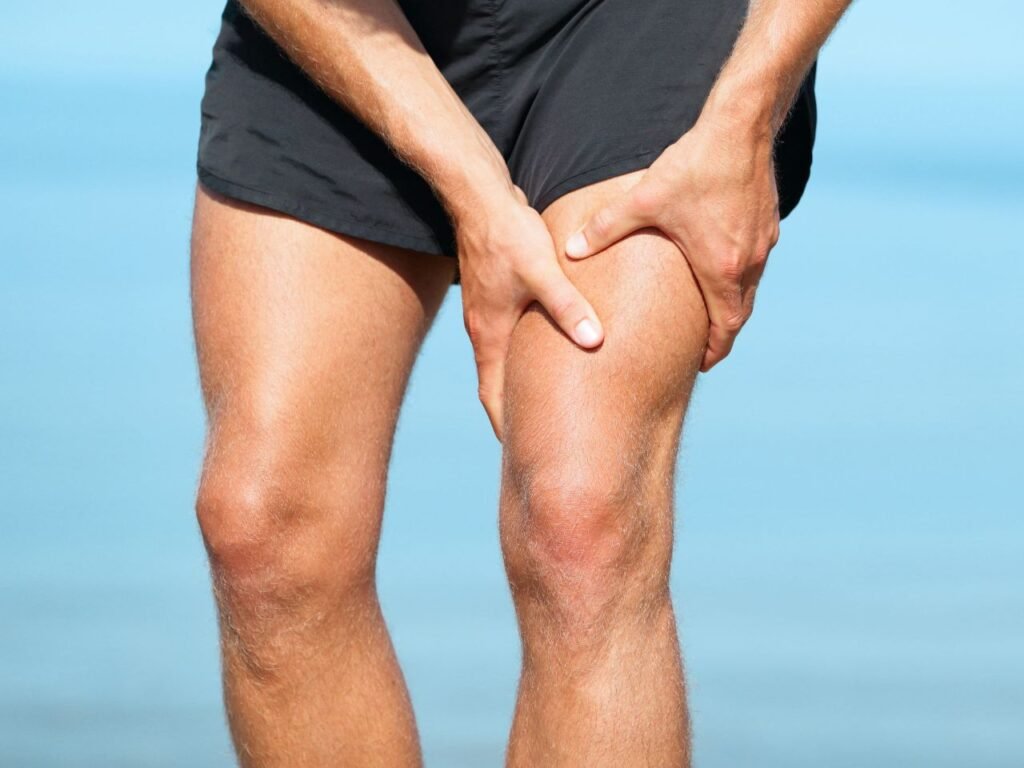
Common Camping Injuries and How to Take Care of Them
When learning basic first aid, it is essential to note the most common camping injuries and how to treat them properly. In understanding this, you can go with confidence knowing that you are here to “save the day” if anything bad were to happen.
1. Burns
If a person suffers from a burn, you’ll want to apply cool water to the area initially, and follow up by covering the afflicted area with gauze or a band aid to prevent it from becoming infected, or exposing it to the elements, please note, this is only for first degree burns, anything more severe merits a direct trip to the ER.
2. Joint Pain
Thankfully, joint pain can usually be staved off with a bit of rest and ice, hence the “RICE” method. While it isn’t intricate, it will grant relief, which is the primary goal.
You can gradually get rid of joint pain by becoming more active, being mindful of the activities you engage in, and ensuring you aren’t pushing yourself to extremes too often.
3. Scrapes and Scratches
Wearing appropriate attire can help prevent many of your more common scrapes and scratches. Things like long sleeves and long pants will keep you from taking the damage directly and keep you from needing stitches yourself.
If you do manage to get a little dinged up on the trail, however, you’ll want to rinse the area off, cleaning it to the best of your ability, and throw a band-aid on it to prevent things from getting worse, or allowing it to come into contact with anything else along the way.
4. Insect Bites
Nature’s most annoying residents will often love to take a snack of the exported cuisine in the area (that would be you). Thankfully, treating a bug bite is as simple as cleaning it thoroughly and keeping it clean. Still, if possible, it’s good to note what kind of bug bit you, assuming it wasn’t a mosquito, for example.
Knowing the kind of bug, or better having a picture of it, can help diagnose the treatment plan needed for it, or what kind of anti-venoms need to be administered, assuming the bug bite was venomous in the first place.
5. Sprained Ankle
Contrary to popular belief, you cannot just keep marching like a good soldier on a sprained ankle; you need to take the pressure off it, rest, elevate the ankle, and apply ice if you have some.
You can take preventative measures to ensure you don’t get a sprained ankle, or a broken bone for that matter, by wearing shoes that give increased support, have functional grip, and making sure you aren’t walking on jagged, steep, uneven, or wet surfaces for no reason. If you do, you have something to brace yourself on, like a trekking stick or a local tree.
6. Broken Bones
Broken bones are a horrible injury to get while camping, partially because of how far you need to go even to seek treatment, and partially because you are probably going to be in agony the whole way to that escape from the campsite.
Stabilizing a fractured or broken bone is one of the first things you need to do, and it’s imperative to keep it from worsening. It’s worth noting you aren’t Rambo. You don’t need to splint the bone into a position to hobble to the doctor; making a sling and leaving it exactly as it is will be the most effective way to get yourself to a doctor in less pain than you are currently in.
Excluding a potentially broken toe or finger, you cannot mend broken bones yourself, and need to see a doctor to get a proper diagnosis and treatment plan set up (even if you do break a toe or a finger, be wise, and still see a doctor).
7. Friction Rashes and Blisters
These kinds of injuries often occur from backpacks or clothing rubbing against you for too long, frequently agitating the area. For rashes, clean them with a disinfectant to prevent bacteria from entering the wound. For blisters, clean them similarly and apply fresh bandaging, avoiding popping them if possible.
8. Fish Hook Injuries
The way the fish hook is embedded in you directly determines how you should treat it. For instance, if the fish hook is stuck in your skin but the barb is outside, you can try to push it through entirely, which will hurt but is often the best course of action.
Alternatively, if the fishhook’s barb is lodged in your skin, you are going to need to see a doctor to get it removed safely without causing extensive damage to any muscle or nerves in the surrounding areas.
Assuming you are capable of dislodging the fishing hook from yourself on your own, you’ll want to not only clean the wound, but also apply antibiotics to prevent infection, and apply pressure, while covering the wound with bandaging to keep anything else from getting into it.
9. Poisonous Plant Allergic Reactions
Poisonous plants can dot the landscape of most hiking and camping trails, making exposure to them almost inevitable, so the best course of action is to become familiar with the ones in your area and avoid them at all costs.
Unfortunately enough, accidents do indeed happen, and if you’ve accidentally come into contact with a poisonous plant, you’ll want to rinse the area to the best of your ability and apply an anti-itch cream to help alleviate some of the annoying itching that is about to plague you for the foreseeable future.
If you are allergic to a poisonous plant and become exposed to one, you are going to want to follow the same steps, having an EpiPen on standby in case, before going on one of these trips. Still, admittedly, you’d be wiser to focus more on wearing thick clothing, gloves, and shielding yourself, instead of trying to handle the situation as an afterthought.
10. Digestive Problems
Being stricken with a sudden case of diarrhea, constipation, or any stomach malady while camping is terrible. The best way you can stave off such circumstances would be to avoid eating things you aren’t used to, avoid eating too much, and ensure the food you are eating isn’t contaminated, spoiled, or otherwise compromised.
If you are afflicted with stomach aches, you’ll need to make sure you have an ample supply of toilet paper, water, and perhaps other over-the-counter stomach meds, like laxatives, antacids, or even Pepto Bismol, depending on the kind of digestive issue you are facing, and use them accordingly.

What Basic Essential Items Should You Have In a First Aid Kit?
According to the Red Cross, you’ll want to have the following mandatory items in your first aid kit. For the precise amounts of each of these items, please refer to the website, as the amounts needed may have changed since the writing of this article.
- Compress dressings
- Adhesive bandages
- Adhesive cloth tape
- Antibiotic ointment packets
- Antiseptic Wipes
- Aspirin
- Emergency Blanket
- Instant Cold Compress
- Breathing Barrier
- Nonlatex gloves
- Hydrocortisone Ointment Packets
- 3 in. gauze roll bandage
- Roller bandage
- Sterile gauze pads (varying sizes)
- Oral Thermometer
- Triangular bandages
- Tweezers
- Emergency First Aid Instructions
Final Thought
It’s much better to be not only prepared but knowledgeable of what practices and procedures you need to follow as opposed to trying to learn them on the fly, if you suspect you are going to need to use a first aid kit while camping (which you very well might), one of the most intelligent decisions you can make is to enroll in a proper first aid classes, most of which reward you with a kit upon completion, and if not, purchasing, and or making your own.