
Being concerned for your health is probably one of the most common reasons why people initially begin the long, but beautiful journey of hiking. Still, most people don’t think to ask themselves whether or not the activity of hiking can actually make them sick.
Thankfully enough, hiking can be a relatively safe hobby and pastime. While it won’t directly make you sick, it may agitate and stimulate underlying causes that can make you feel ill. Still, it’s probably worth defining what “sick” could actually mean before continuing, as there are quite a few different variations of sickness as opposed to one that globally encompasses something like “hiking sickness”.
This article discusses what kind of illnesses you might get from hiking, as well as going over some precautionary measures you can take before and after hiking. We highly recommend continuing for more information!
Would You Get Sick From Hiking?
As noted above, hiking itself will not directly make anyone sick. Still, it can likely cause underlying factors to trigger other forms of sickness. For instance, altitude sickness can be caused by elevating yourself to greater and greater heights, potentially causing the body to inadequately adjust to lower oxygen levels, and fall prone to it, for example.
Another example would be varying levels of simply being underprepared or not taking care of yourself sufficiently. Dehydration, for example, can cause you to suffer from heat exhaustion, which is, as you might have guessed, another form of sickness.
Direct exposure to any number of different circumstances, like food types, surroundings, or pathogens, can also obviously cause you to feel ill or get sick. These could be disgusting surroundings, a decaying animal, bad food, or a sick person, but we’ll go more in-depth on these topics later.
What Illness Can You Get From Hiking?
We glanced over altitude sickness earlier, but to reiterate, it is essentially a sickness caused by ascending to any height too quickly, and not giving your body an ample amount of time to acclimate itself to the lower oxygen levels. This can cause you to feel sick and display any number of different symptoms, greatly hindering your ability to continue forward, and in severe cases, even remain standing.
What Are the Symptoms of Altitude Sickness?
While some of the normalized symptoms of altitude sickness can be as basic as nausea, some of the more profound symptoms can lead to hazardous situations. Things like headaches, vomiting, shortness of breath, and dizziness are basic. However, believe it or not, they can get worse.
Your body not getting enough oxygen can cause even more disastrous effects on you over time. Allowing things like insomnia and generalized confusion to begin taking root, which can be especially concerning if you didn’t have a great understanding of where you were to start with.
Confusion on top of a mountain, for example, can cause you to either wander down paths that aren’t routinely traveled, making rescue when you are lost far more dangerous. You could also potentially fall from great heights. The list is almost endless, but a significant amount of respect should be shown if any of these symptoms begin to manifest.
What Causes Altitude Sickness?
Altitude sickness is caused when you begin to traverse any area to significantly scaling heights where oxygen density gets lower and lower, causing less of it to circulate in your body, and slowly start affecting you in several different ways.
Pacing yourself when hiking great heights is the best way to offset altitude sickness, and showing respect to yourself and your body while making the journey. If you begin to feel yourself getting dizzy, confused, or having labored breaths, there is nothing wrong with taking a moment to compose yourself.
If you are traveling with others, it would be incredibly wise to notify them of how you are feeling so they can not only aid you, be begin keeping an eye on you should your condition get worse, obviously the opposite can be said, if someone tells you they aren’t feeling right, ensure they are hydrated, nourished, and of sound mind before continuing forward.
How Long Does Altitude Sickness Last?
Altitude sickness has a varying degree of not only severity, but also how long the effects can last on you. These durations can change dramatically as well. Very mild cases could usually subsist in as little as one or two days, but severe cases could last for weeks, perhaps even a month, depending on what occurred.
You can attempt to alleviate some of the more negative effects quickly by descending from the location (safely). Still, it is not a guarantee to shorten the duration or lessen them, but it’s overall a better choice than simply remaining at the same elevation for no reason.
Ways to Avoid Altitude Sickness
The best way to avoid altitude sickness in general boils down to preparation and pacing. In terms of raw preparation, having medications that can reduce the onset of fatigue, increase urination, and maintain breath control.
Depending on the height you are going, you may need to bring supplemental oxygen, schedule out rest periods, or even rest days in advance to help combat longer stays. Additionally, you’ll want to remain hydrated and look for minute changes in yourself or your traveling partners.
Any of the symptoms listed above can be an early warning sign that they are beginning to suffer from altitude sickness, and should be taken into consideration. Dressing warm, eating correctly, and staying away from smoking (limits your breathing ability) and alcohol (constricts your veins, limiting oxygen throughout your body) are imperative to combating altitude sickness.
What Other Ways Can Expose You to Sickness When Hiking?
Although we’ve discussed altitude sickness at length, it is far from the only kind of sickness that can befall you whilst hiking abroad. We cannot emphasize enough that most types of sickness are easily combated by being prepared or simply paying attention to yourself. Still, it goes without saying that knowledge and preparation are key.

1. Food Poisoning
While not necessarily something that can occur because of hiking, while on the move or focused on other tasks, it is entirely possible to eat food that wasn’t in peak condition, or prepare food poorly if you aren’t paying attention, or in a slightly confused state (again, one of the aforementioned symptoms of altitude sickness).
Regardless of how, food poisoning is a distinct possibility while hiking, and while it can be avoided with vigilant food preparation, having medication to combat it isn’t a bad thing. Still, the best solution to this is usually just increasing your water intake, resting, and, unfortunately enough, eating bland foods just to have something in your body.
While normalized food poisoning isn’t that big of a deal, enduring it when hiking is a much more complicated issue. Resting when you don’t have an adequate food supply to overcome the condition itself can put you, or others, in a difficult situation.

2. Exhaustion
Knowing your limits is not a bad thing; in fact, it’s one of the best ways to avoid this particular kind of sickness. It is literally only possible to be afflicted by it when overexerting yourself, be it trying to “go the extra mile” or any similar iteration of this logic; you are putting yourself at risk.
Exhaustion can come in many different forms; it can be mental, it can be physical, and it can even be caused by an extreme exposure to extreme temperatures, like heat exhaustion, for example.
If you are suffering from exhaustion, you’ll need to stop what you are doing and let your body begin to recuperate immediately, getting some much-needed water, food, and rest, unless you want the situation to get worse, and begin wearing your body down to dangerous levels.

3. Close Contact With Other People (Who Are Already Ill)
Coming into proximity with a sick person is a fundamental way of getting sick, and while this might be common knowledge to most people, cross-contamination, the more particular way of getting sick, might not be as well understood.
Suppose you are hiking with some friends, and someone is “feeling good enough to come” still. In that case, they might not be bedridden, but that doesn’t mean they aren’t still contagious. Accidentally sharing a water bottle, handling items or food they’ve touched, or being in the same tent they are in can all allow you to become exposed to whatever sickness they have.
The best way to avoid this is to be mindful of your surroundings, interactions, and shared items and locations with the sick person, or anyone displaying signs of a sickness, and cleaning items, bedding, and other resources as thoroughly as you can while traveling. Bringing things like hand sanitizer can be a lifesaver in situations like these.
4. Dehydration and Under-Fueling
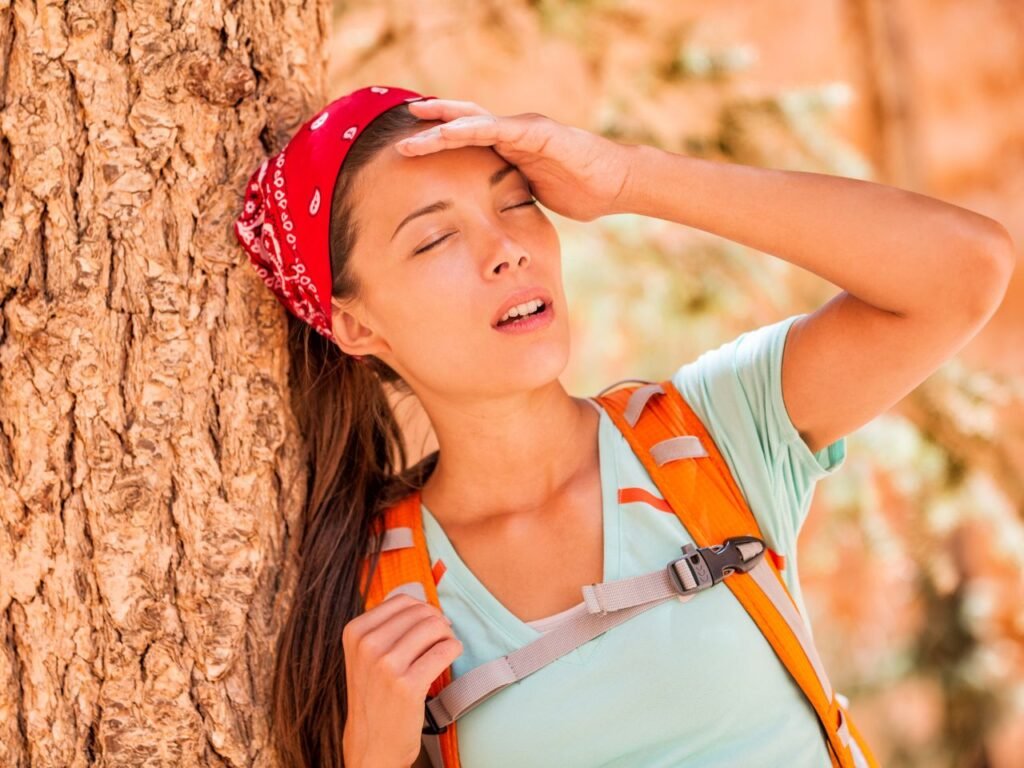
Ensuring your body’s needs are met can be as easy as sipping some water every so often and having a little snack. At the same time, on the go, but planned meals and designated times to eat are the mainstays as far as avoiding dehydration and staving off the adverse effects of not eating enough.
While some people eat as an overindulgence, there are definitely people who get so busy they forget. Hiking can expose you to sights far more grand, and experiences so captivating you can easily forget to eat your fill. To that end, keeping snacks, or for those of us who are too lazy to cook MREs, at the ready, can solve this problem easily.
In most cases, snacks and MREs won’t go bad or spoil. Still, it’s worth taking the time to inspect anything you plan on chowing down on prior, as a slightly ripped bag, a moldy snack, or a leaky container is all it takes to send you spiraling from under-fueling to under the weather.
5. Drinking From Contaminated Water
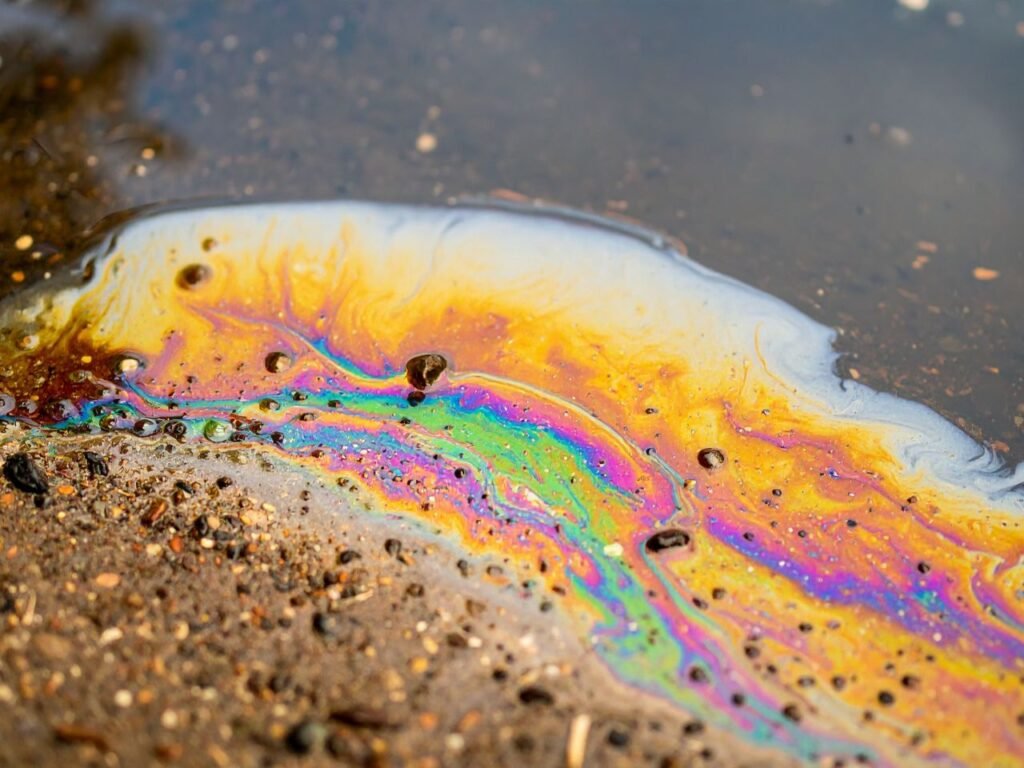
Desperate times do indeed call for desperate measures. Still, you’ll want to do your best to hedge your bets if you do actually need to drink from local water supplies to stay hydrated. Things like water filters, DIY water filtration units, and even boiling the water can all work miracles towards keeping you from getting sick from drinking dirty water.
While the most common illnesses that can befall you are things like diarrhea, you can get even more advanced and dangerous versions like dysentery, which can be horrific to deal with even in the safety of your own home, let alone in the wilderness, without toilet paper, medication, or solitude to endure the shame alone. (The shame bit is a joke; if you are sick, there is nothing shameful about it. Truthfully, however, if you are ill, tell someone; it can mean the difference between getting the help you need or potentially suffering for no reason.)
Ways to Prevent Yourself From Getting Sick Before Going on a Hike
We’ve covered some of the more core principles of avoiding the most common kinds of illness and sicknesses you can get while hiking, and while it’s been stated once, we’ll repeat it: the best way to avoid getting sick on a hike is basic preparation.
1. Drink Lots of Fluids
Remaining hydrated has a myriad of different benefits you’ll gain while hiking, with the obvious being able to continue forward without anything more difficult than overall physical strain. Still, the more practical would be the barrier formed between combating anything that actually befalls you.
Suppose you have been sufficiently hydrated for days, and you get sick. In that case, you’ll have a much easier time bouncing back because your body will have more energy and reserves to draw upon should a “need” arise, if you’ve been lacking, your body will struggle, and you’ll need to pay the price in different ways to overcome the same issue, or worse, damage your internal organs due to the lack of water.
2. Stay Fueled
Similarly to hydration, your body needs food to process to give you the energy to burn on your physical endeavors, never mind the bare minimum processes required to keep you alive. Moving, climbing, running, and carrying your gear and other cargo is going to put a strain on you, and that strain means you’ll need food.
Assuming you’ve been eating, then this isn’t a big deal, you might feel a little drained, maybe a little more sore than usual, but no big deal, a little rest, some snacks, you’ll be fine in no time, but if you haven’t been eating, or worse have nothing to eat, the situation gets much worse.
Suppose you haven’t eaten, or worse, have nothing to eat. In that case, your body will gradually begin to break down your muscles and fat to keep you mobile and alive, which sounds horrific, but it’s just science and survival at its finest. To avoid this, keep a snack on hand, or know how to hunt and fish!
3. Know What Limitations You Have
If curiosity killed the cat, then assumption killed the aspiring explorer. Knowing that there are definitive limits to what you can and cannot do might not sound like a tall order. Still, some people convince themselves they are a superhero, and these concerns take on reality, which can often prove fatal or, at the very least, dangerous.
Your body has a litany of different telling traits that allow you to check yourself on what you are capable of. If you are in a cold environment and begin shivering, your body is telling you that your current outfit and gear aren’t enough, and you need to either get more or shake continuously to generate more heat.
Unfortunately enough, however, base survival instincts aren’t typically what someone has to contend with when it comes to limitations; often, the greatest adversary boils down to a high ego or extreme ignorance. Either way, these can convince someone to tempt fate, often to their own dismay.
4. Have Plenty of Vitamin C
A lack of vitamin C has very similar results to a lack of eating, as it can make you feel weak, irritable, or generally tired. Still, in very dire situations, you can contract scurvy, which is not something limited to seafaring gentlemen of fortune.
No, scurvy is very real and can cause issues like extreme bruising or even anemia, meaning minor scrapes and simple bruises become significantly more dangerous or severe.
5. Acclimate to Altitudes Slowly
The old saying all roads lead to roam, but in the context of hiking, and combating altitude sickness, all roads lead to pacing, so time your ascent, make it slow, and respect your bodies’ needs and limitations, as failing to do so can make you an uncomfortable mess in the best case scenario, and a confused, wreck in the worst of them.
6. Treat All Water You Drink
If you find yourself lacking water, you may need to resort to local water reserves. While filtration, boiling, and other techniques can take out a vast majority of the impurities naturally found in such locations, they rarely get rid of everything. It’s always that underlying 1% that can get you.
Combating that last percent can be adding things like chlorine dioxide or iodine tablets. Still, these treatment methods need to be researched and learned before just tossing stuff into the water and drinking/using it, so brush up and utilize these tools effectively. You’ll be in a better, more safely hydrated spot for it.
7. Practice Good Hygiene
Clean armpits and feet might not seem necessary for preventing sickness, but they most definitely are. For example, if you’ve been taking care of yourself, then getting sweaty or dirty isn’t too big of a deal, right?
Accumulated grime, accompanied by routine friction and rubbing, can begin to ferment a rash if those are the only two factors. Still, that rash can become inflamed or infected with continual neglect, leading to a wound or, even more severe, a necrotic wound or a wound with decaying flesh.
The latter being a very extreme and nuanced situation of extreme neglect, but if you deny yourself a nice cleaning for long enough, it is still a possibility, and one you definitely don’t want to have befall you, or someone you are traveling with, so soap up, or regret it later.
8. Listen to Your Body
Tied directly with knowing your limitations, your body will often tell you when you are approaching certain limitations, be it tolerance for pain thresholds, endurance of bad environments, or a sense of unease in where you are, or what you are doing. Listen to that subtle whisper as it is giving you knowledge.
Weak knees, for example, could be a sign that you are far more fatigued than you realize, meaning you need rest, hydration, food, or something else entirely. Regardless, it’s a warning sign of something being off and should be taken seriously.
9. Wash Your Hands Often
The bit above regarding hand sanitizer wasn’t simply a clean freak’s perspective on combating germs at all times, but more so a simple understanding that nature isn’t nearly as clean as the society most of us have become ingratiated with.
Germs, gunk, filth, grime, and bacteria run rampant outside the confines of your house, and in most situations, you are constantly exposing yourself to them when you are exploring.
Avoiding the needless consumption of any of this, or direct exposure to a sore, open wound, or scrape can make all the difference in you having a pleasant trip, or far more than disinfectant for whatever malady has befallen you, with very little in the way of supplies too.
Conclusion
Being in the great outdoors does not necessarily mean you need to come with your hands empty, and sprinting into the open arms of any sickness that is lying in wait around the corner, preparation, steady pacing, and a plan will take you far when staying healthy is the goal.