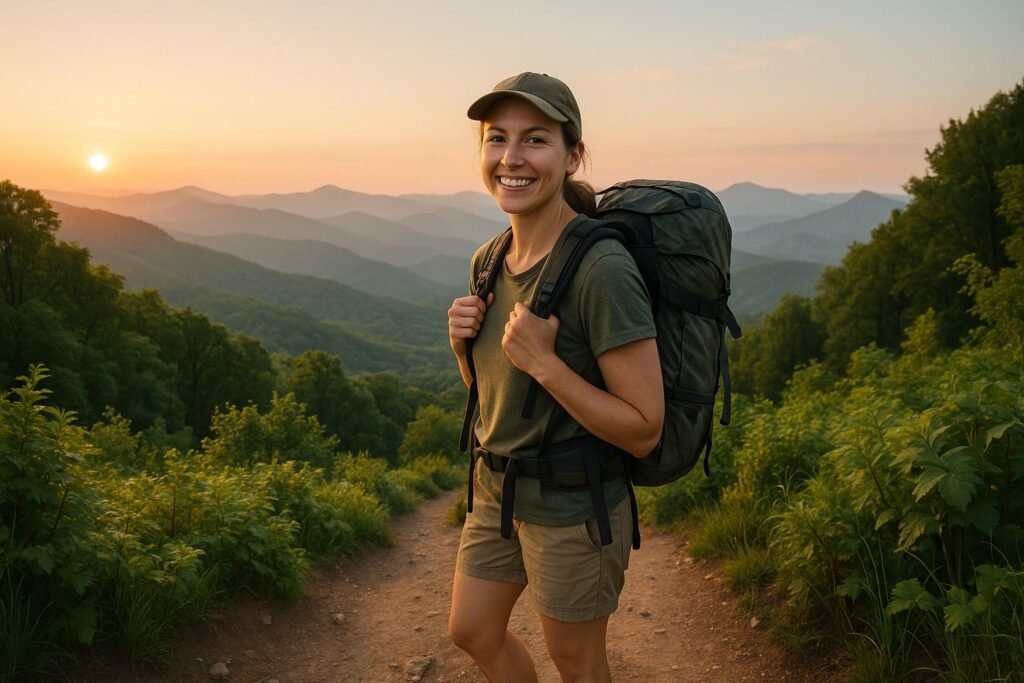
Exploring the great outdoors solo offers an unparalleled sense of freedom and connection to nature. However, it’s natural to feel apprehensive about venturing into the wilderness alone, whether it’s your first backpacking trip or your tenth. Concerns about safety, unfamiliar sounds, and the unpredictability of nature can make solo backpacking feel intimidating. But with proper preparation and practical strategies, you can transform those fears into confidence.
This article dives into seven essential tips to help you feel safe, secure, and in control while backpacking alone. Whether you’re a beginner looking for guidance or an experienced hiker seeking reassurance, these strategies will equip you to embrace solo adventures with peace of mind.
Why Solo Backpacking Feels Intimidating – And Why That’s OK
Feeling nervous about backpacking alone is completely normal. The isolation, unfamiliar surroundings, and mysterious sounds of nature can trigger your fight-or-flight instincts. Hearing a random branch snap in the middle of the night might make your imagination run wild – "Is it a bear? A person? Or just a squirrel?" – but these feelings aren’t irrational. They’re your natural survival instincts kicking in.
Rather than letting fear stop you, it’s important to acknowledge and manage it. The key is understanding the risks, preparing thoroughly, and trusting your instincts. With the right mindset and tools, you can turn nervous energy into a sense of empowerment and enjoy the beauty of solo outdoor experiences.
1. Plan and Share Your Itinerary
The foundation of any safe solo backpacking trip is a well-thought-out itinerary. Knowing where you’re going, how long you’ll be out, and your planned route reduces uncertainty and keeps you grounded. Here’s how to make your itinerary work for you:
- Write It Down: Include your trail entry and exit points, daily milestones, and estimated times for arrival at specific locations.
- Make Copies: Keep one copy with you (e.g., waterproof it and keep it with your map) and leave another in your car at the trailhead. This ensures rescuers have access to your plans if something goes wrong.
- Inform a Trusted Contact: Share your itinerary with family or friends. Tell them when you plan to check in and what to do if they don’t hear from you by a certain time.
- Gear Up for Navigation: Carry a physical map, a GPS device, and a backup like a Garmin InReach Mini for emergencies. Familiarize yourself with the trail and surrounding area before you go.
By taking these steps, you’re creating a safety net that reassures both you and those who care about you.
2. Carry Bear Spray – for Bears and Beyond
Bear spray isn’t just for bears. It’s a powerful deterrent for a variety of threats, including aggressive wildlife or, in rare cases, people. Essentially a highly potent form of pepper spray, bear spray can give you peace of mind while exploring remote areas.
- Learn to Use It: Practice deploying bear spray safely so you’re prepared in an emergency.
- Keep It Accessible: Store it securely in a way that prevents accidental discharge, but keep it within easy reach.
- Be Prepared, Not Paranoid: While the chances of needing it are slim, carrying bear spray can boost your confidence simply by knowing you have a line of defense.
3. Know Your Trail and Surroundings
Understanding the terrain and environment you’ll be navigating is critical. This knowledge not only helps you avoid getting lost but also ensures you’re prepared for unforeseen challenges.
- Study the Map: Familiarize yourself with your route, emergency exits, and neighboring trails. Print maps that include surrounding areas and towns.
- Use Redundancy: Carry a physical map, a GPS app like Gaia, and a satellite communication device for emergencies.
- Identify Bail-Out Points: Know where trailheads or emergency exits are located in case you need to cut your trip short.
Being well-informed about your surroundings helps you stay oriented and confident, no matter what happens.
4. Trust Your Gut Instincts
Your instincts are an invaluable tool when hiking alone. If a situation or location feels off, pay attention to that feeling. Your subconscious might be picking up on subtle environmental cues your conscious mind hasn’t processed yet.
- Stay Alert: Regularly scan your surroundings for potential hazards, wildlife, or changes in weather conditions.
- Don’t Overreact: While it’s important to trust your gut, it’s equally vital to avoid unnecessary paranoia. Balance awareness with calm judgment.
- Keep Your Protection Handy: Having bear spray or other tools easily accessible can help you feel secure when your instincts raise red flags.
5. Choose Your Campsite Wisely
Where you set up camp can significantly impact your safety and comfort. A good campsite reduces risks from natural hazards and gives you a psychological sense of security.
- Avoid "Widow Makers": Check above your tent for dead tree branches that could fall during the night.
- Stay in the Open: Choose a campsite with good visibility and minimal blind spots to reduce surprises from wildlife or other potential threats.
- Consider Surroundings: Avoid setting up near animal trails or water sources where wildlife might pass through.
Thoughtful campsite selection can turn a nerve-wracking night into a peaceful, restorative experience.
6. Use Light to Your Advantage
Nighttime is often when fears peak, driven by the darkness and enhanced by every rustle or snap in the woods. Light can be a powerful tool for both comfort and safety.
- Keep Your Headlamp Close: A good headlamp is essential. Use it to investigate noises or light up your surroundings when you feel uneasy.
- Shine Bright: Don’t hesitate to illuminate dark areas to reassure yourself. There’s no harm in shining a light into the woods if it helps you feel secure.
- Extra Batteries: Always carry spare batteries or a backup light source.
As the saying goes, "Light is life", especially when it comes to calming nighttime anxieties.
7. Start Small and Build Confidence
If the idea of solo backpacking feels overwhelming, start with shorter, simpler trips to ease into the experience.
- Begin with One-Night Trips: An overnight hike close to home is a great way to test the waters and build confidence.
- Choose Familiar Trails: Start on trails you know well to reduce anxiety about navigation.
- Gradually Expand: As you grow more comfortable, take on longer trips and more challenging routes.
By starting small and building your skills incrementally, you’ll gain the confidence to tackle more ambitious solo adventures.
The Beauty of Solo Backpacking
While the focus of this article is on safety, it’s worth celebrating the unique joys of solo backpacking. When you hike alone, you experience nature in its purest form. There’s no chatter, no distractions – just you and the wilderness. It’s an opportunity to truly disconnect, reflect, and reconnect with yourself.
From serene alpine lakes to quiet forests teeming with life, solo backpacking lets you witness the world in its raw, untouched beauty. It’s a chance to let your mind wander freely as you walk, finding clarity and peace in the rhythm of your footsteps.
Key Takeaways
- Plan Ahead: Create a detailed itinerary and share it with trusted contacts.
- Carry Bear Spray: It’s a versatile tool for defense against wildlife and other threats.
- Know Your Surroundings: Study maps, identify emergency exits, and use navigation tools.
- Trust Your Instincts: Stay aware of your environment and act on gut feelings when something feels wrong.
- Choose Campsites Thoughtfully: Avoid hazards like dead branches and prioritize visibility.
- Use Light Strategically: Keep a headlamp handy to calm nighttime anxieties.
- Start Small: Begin with short trips to build confidence before attempting longer adventures.
Solo backpacking can be as safe as it is rewarding, with the right preparation and mindset. Embrace the journey, trust yourself, and take it one step at a time. The trail is waiting for you. Happy hiking!
Source: "How to Feel Safe Backpacking Alone (Beginner Tips)" – Backpacker Luke, YouTube, Aug 23, 2025 – https://www.youtube.com/watch?v=JxPoLpWOyFo
Use: Embedded for reference. Brief quotes used for commentary/review.